Author: Shaan Abbas

  • Chitta Katha Lake: A Stunning Hidden Gem of Northern Pakistan

    Chitta Katha Lake: A Stunning Hidden Gem of Northern Pakistan

    Add this incredible lake to your travel bucket list and prepare for an unforgettable journey into the heart of nature. For those planning to explore, check out the best Azad Kashmir tour packages, ensuring you don’t miss out on this breathtaking adventure. It’s a place where adventure meets tranquility, leaving you with memories to last a lifetime.

    Location and Accessibility

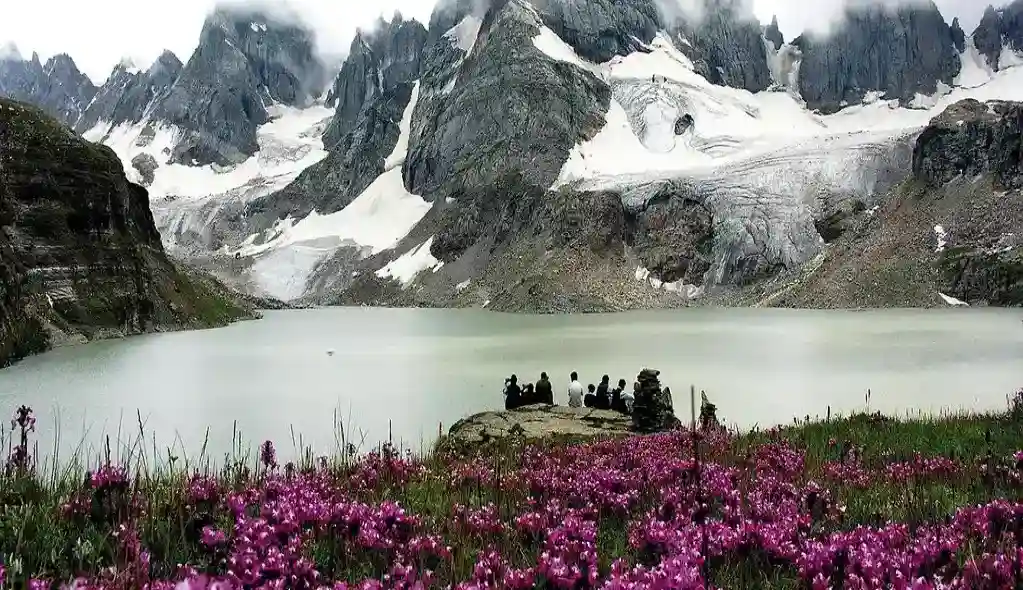
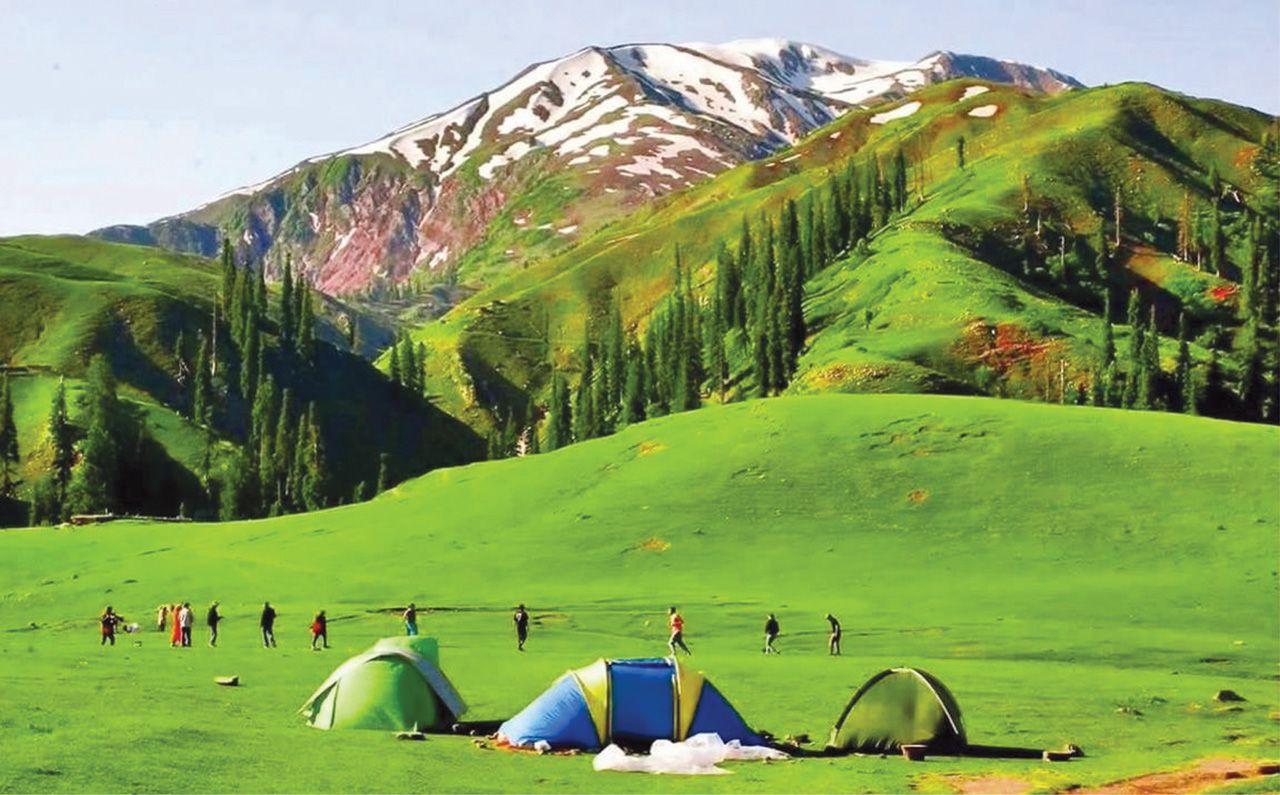
    Chitta Katha Lake is located in the remote, serene Shounter Valley, Azad Kashmir, approximately 13,000 feet above sea level. This pristine lake lies hidden amidst snow-capped peaks, dense forests, and alpine meadows. Visitors need to embark on a journey that combines off-road jeep rides and trekking to reach the lake.

    The closest town to Chitta Katha Lake is Rawalakot, where travelers begin their journey to Shounter Valley. The road to Shounter Valley is rugged and bumpy, requiring a jeep ride that takes about 4-5 hours. From Shounter, trekkers embark on a challenging trek that lasts 3 to 4 days, taking them through lush valleys, rushing streams, and dense forests. Despite the tough access, the rewards of the breathtaking scenery and the tranquility make every step of the journey worthwhile.

    Why Chitta Katha Lake Is Famous

    1. The Spectacular Beauty of the Lake

    What makes Chitta Katha Lake stand out is its unrivaled beauty. As soon as you arrive at the lake, the sight is magical. The water is a vibrant shade of turquoise, clear and pure, reflecting the surrounding snow-capped mountains. The contrast of the cool blue water with the lush green meadows creates a visual masterpiece that draws photographers, nature enthusiasts, and adventurers worldwide.

    The lake is also surrounded by dense forests and alpine meadows, which add to its beauty. In the summer, the meadows come alive with colorful wildflowers, creating a beautiful contrast against the green hills and the sparkling water of the lake.

    2. The Rich Flora and Fauna

    Chitta Katha Lake is a haven for wildlife and plants. The area around the lake is rich in biodiversity, with various species of plants, trees, and wildlife flourishing in the high-altitude region. Alpine plants, including wildflowers such as buttercups and daisies, blanket the meadows around the lake during spring and summer, making the landscape even more enchanting.

    The lake and its surroundings are also home to wildlife, including eagles, falcons, and vultures. Trekkers may spot wild goats, snow leopards, and brown bears in the dense forests and steep slopes of the surrounding mountains. Although sightings of these animals are rare, the opportunity to observe them in their natural habitat adds an element of excitement to the trip.

    3. A Thrilling Trekking Experience

    Chitta Katha Lake is not just a destination; it’s an adventure waiting to unfold. The trek to the lake is difficult and requires a reasonable fitness level. It involves long walks through rugged terrain, steep ascents, and uneven paths. However, the journey is integral to the experience and offers hikers a chance to witness nature in its most raw and untouched form.

    The trek starts from Shounter Valley, a remote area that can only be reached by jeep. From there, trekkers cross several streams, walk through dense forests, and hike up rocky slopes. The journey offers panoramic views of the mountains and valleys, and trekkers often pause to admire the scenic beauty around them.

    Camping along the way adds to the experience. With each night spent under the star-filled sky, hikers immerse themselves in the quiet of the wilderness. The trek takes 3 to 4 days, but each moment is filled with awe-inspiring views and a sense of accomplishment, making reaching the lake all the more special.

    Chitta Katha Lake 1 Chitta Katha Lake

    4. A Haven for Photography Enthusiasts

    Chitta Katha Lake is a dream come true for those who love photography. The beauty of the lake, its surroundings, and the diversity of nature provide countless opportunities to capture breathtaking photographs. Whether it’s the vibrant wildflowers, the reflective waters, or the majestic mountains in the background, every angle offers a stunning shot.

    The play of light and shadow on the lake’s surface, especially during the early morning or late evening, creates a magical atmosphere that is too beautiful to miss. Every corner of this remote spot offers a different perspective for photographers to capture, making it an excellent location for amateur and professional photographers.

    5. Solitude and Peace

    Another compelling reason for Chitta Katha Lake’s growing popularity is its sense of peace and solitude. Due to its remote location and difficult access, the lake remains largely untouched by large crowds, allowing visitors to experience the area in its most peaceful form. The serenity of the place is overwhelming – the only sounds you’ll hear are the whispers of the wind and the occasional birdsong.

    This makes the lake an ideal destination for those who want to disconnect from the stresses of modern life and reconnect with nature. Whether camping by the lake, relaxing by its shores, or simply soaking in the view, the atmosphere of tranquility will leave you feeling refreshed and rejuvenated.

    6. Best Time to Visit

    The best time to visit Chitta Katha Lake is during the summer months, between June and August, when the weather is pleasant and the landscape is most beautiful. During this time, the wildflowers bloom, and the temperature remains mild, making the trek and camping more comfortable. The weather during these months allows visitors to enjoy the surrounding meadows and the lake’s picturesque beauty to the fullest.

    However, if you’re planning a trek, it’s important to note that the weather in the mountains can be unpredictable, so it’s essential to carry enough gear for all seasons and prepare for sudden weather changes, especially during the evening.

    How to Reach Chitta Katha Lake

    Reaching Chitta Katha Lake is an adventure in itself. Here’s a step-by-step guide on how to get there:

    1. Drive to Rawalakot

    Rawalakot, located in Azad Kashmir, is the nearest city to the lake and serves as the starting point of your journey. It takes about 5-6 hours to drive from Islamabad to Rawalakot by road.

    1. Jeep Ride to Shounter Valley

    From Rawalakot, you’ll need to take a jeep ride to reach Shounter Valley, which takes approximately 4-5 hours. The off-road route can be quite bumpy, but it offers breathtaking views of the valleys and mountains.

    1. Begin the Trek

    Once you arrive at Shounter Valley, the trek to Chitta Katha Lake begins. The trek typically takes 3-4 days, depending on your pace and weather conditions. During the trek, you’ll pass through forests, cross rivers, and climb steep hills. It’s a challenging but rewarding journey that offers stunning views of the surrounding nature.

    chitta katha lake 1 Chitta Katha Lake

    Things to Do Around Chitta Katha Lake

    While the lake is the main attraction, the surrounding area offers several activities visitors can enjoy. Here are a few suggestions:

    1. Hiking and Trekking

    Apart from trekking to the lake, the area around Chitta Katha Lake offers several hiking trails. Visitors can explore nearby peaks and hidden valleys that provide panoramic views of the surrounding landscape. Hiking in this remote area offers an incredible opportunity to connect with nature.

    1. Wildlife Watching

    The region around Chitta Katha Lake is rich in wildlife. Birdwatchers can spot various species of eagles, vultures, and falcons soaring above. The area also harbors mammals like wild goats and snow leopards. Keep an eye out as you trek through the forests for a chance to witness these majestic animals.

    1. Fishing

    The waters of Chitta Katha Lake are home to various fish species, including trout. Fishing enthusiasts can try their luck in the lake, making for a peaceful and enjoyable activity after a long day of trekking.

    Nearby Destinations

    The beauty of Azad Kashmir extends far beyond Chitta Katha Lake. For those looking to explore more, here are several nearby destinations that complement your visit to this pristine region:

    Ratti Gali Lake

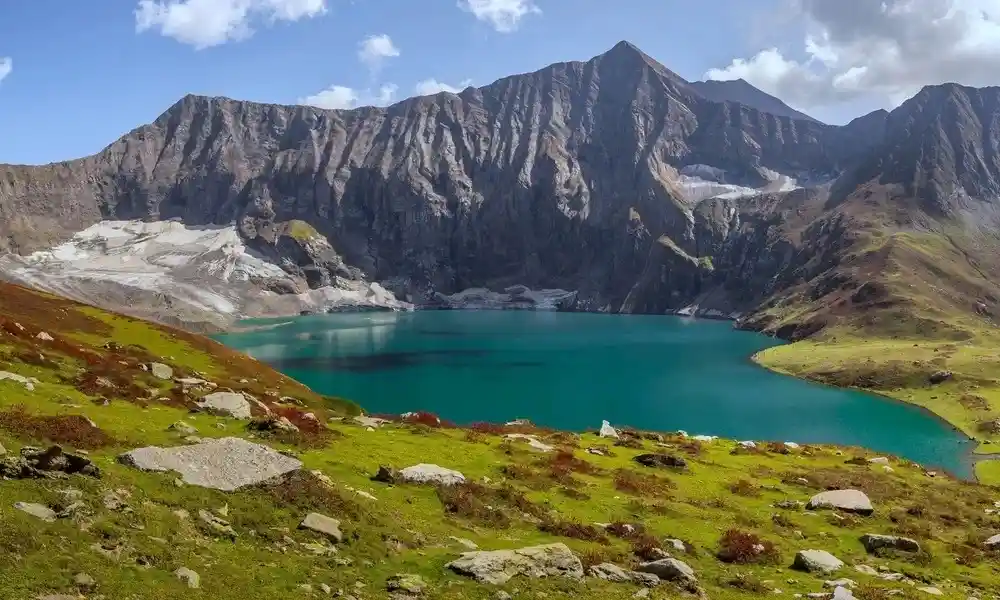
      Located a few hours away, Ratti Gali Lake is one of the most famous alpine lakes in Azad Kashmir. Nestled at 12,130 feet, this glacial lake is known for its turquoise waters and lush meadows dotted with colorful wildflowers during summer. It offers a perfect mix of serenity and adventure, with trekking, camping, and photography opportunities.

      Arang Kel

        Often called the “Pearl of Neelum Valley,” Arang Kel is a picturesque village situated on a hilltop in the Neelum Valley. Known for its stunning views, rolling meadows, and lush greenery, this spot is a haven for nature enthusiasts. The trek to Arang Kel is short but steep, providing visitors with incredible vistas of the surrounding valleys.

        Shounter Valley

        Before reaching Chitta Katha Lake, travelers pass through Shounter Valley, a serene and remote valley adorned with pristine landscapes, rushing streams, and towering peaks. This valley is a perfect camping spot and an excellent base for trekkers approaching Chitta Katha Lake.

        Taobat

        The last village in the Neelum Valley, Taobat, is a charming destination with breathtaking natural beauty. Surrounded by lush green fields, wooden houses, and the meandering Neelum River, Taobat is an idyllic retreat for travelers seeking peace and quiet away from crowded tourist spots.

        Kel and Sharda

        Both Kel and Sharda are must-visit locations in Neelum Valley. Sharda, known for its ancient ruins of the Sharda University, offers a blend of historical significance and natural beauty. Kel serves as a base for many treks, including the journey to Arang Kel and Chitta Katha Lake.

        Leepa Valley

          Renowned for its enchanting scenery, Leepa Valley is another gem of Azad Kashmir. With its terraced fields, wooden houses, and apple orchards, this valley provides a glimpse into the region’s traditional life.

          These nearby destinations enhance your trip to Chitta Katha Lake, offering a variety of landscapes and experiences, from serene alpine lakes to charming valleys and cultural landmarks.

          Conclusion

          Chitta Katha Lake is a remarkable and tranquil destination for those who seek adventure, peace, and the beauty of nature. The crystal-clear waters, stunning meadows, and towering peaks provide an unforgettable experience long after you leave. Whether trekking to the lake, capturing photographs of its beauty, or simply enjoying the solitude, Chitta Katha Lake offers an experience like no other.

        1. Lulusar Lake: The Sparkling Gem of Kaghan Valley

          Lulusar Lake: The Sparkling Gem of Kaghan Valley

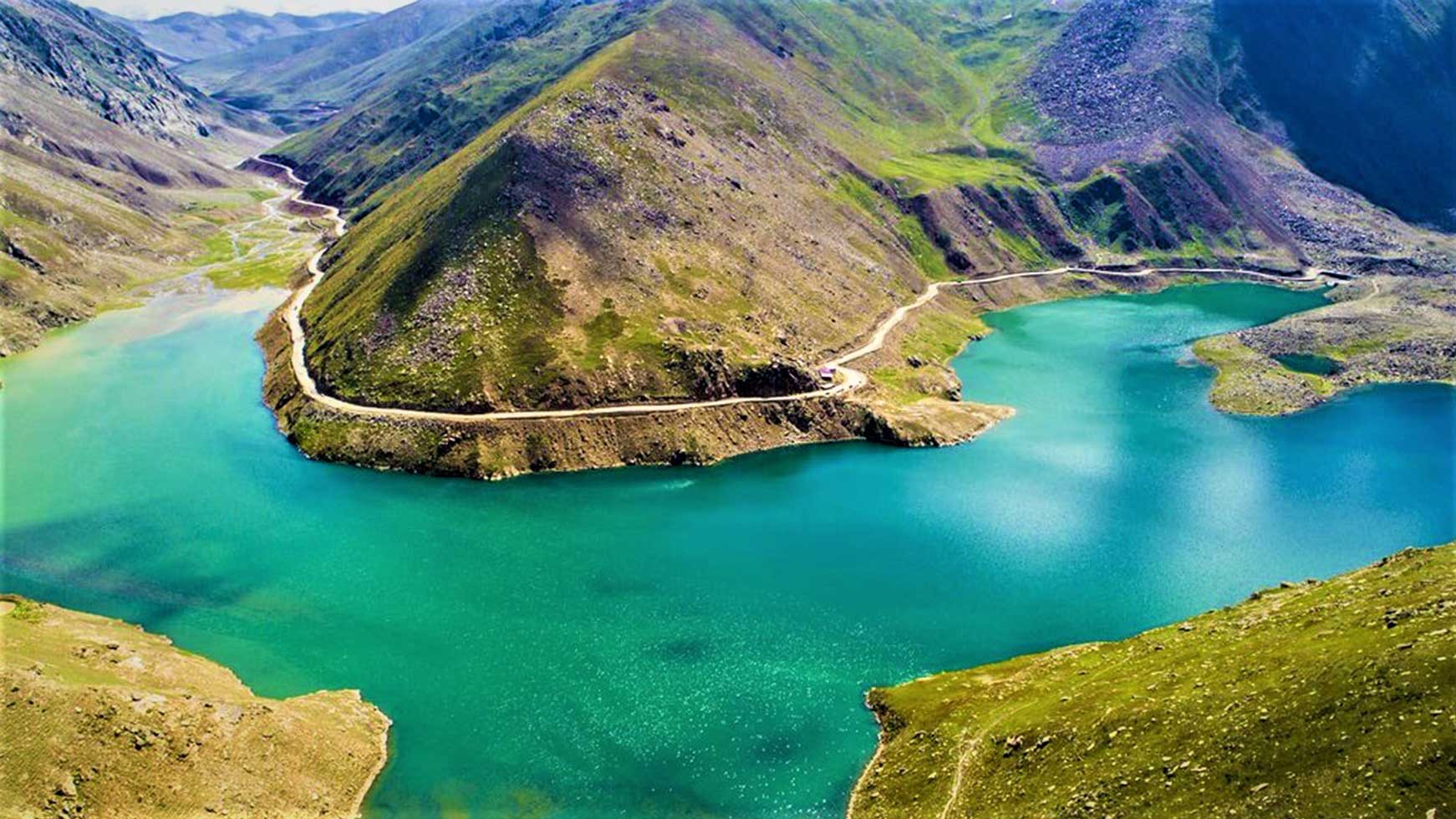
          In the heart of the scenic Kaghan Valley, Lulusar Lake is a peaceful and stunning destination that attracts visitors with its natural beauty and calm surroundings. The lake’s clear waters perfectly reflect the nearby snow-covered mountains, creating a breathtaking sight. It’s an ideal spot for anyone looking to explore the northern areas of Pakistan. For those planning a trip, Lulusar Lake offers a perfect opportunity to connect with nature and enjoy the untouched beauty of the Naran and Kaghan Valley. Remember to check out Naran Kaghan tour packages to plan your visit!

          “Lulusar” derives from the Pashto language, where “Lulu” means sparkling. True to its name, the lake sparkles under the sunlight, creating a mesmerizing sight for all who visit.

          Lulusar-Lake

          My first impression of Lulusar Lake was one of awe and wonder. Its still waters, perfectly mirroring the surrounding mountains, create an almost surreal experience. The lake is surrounded by lush green meadows in summer, which gradually give way to snow during the winter months, offering a different kind of beauty with each season.

          The lake’s serene environment is punctuated by chirping birds and the gentle rustling of leaves, making it a haven for those seeking peace and solitude.

          For photography enthusiasts, Lulusar Lake is a dream come true. The vibrant blue skies, emerald-green valleys, and the lake’s crystal-clear reflections provide endless opportunities for stunning captures. Early mornings and late afternoons are particularly magical, as the changing light adds depth and drama to the scenery.

          While Lulusar Lake is perfect for those seeking tranquillity, it also appeals to adventure lovers. The drive to the lake is an experience as the road winds through picturesque valleys, roaring rivers, and quaint villages.

          • Babusar Top: Located just 30 kilometres from the lake, this high mountain pass offers panoramic views of the surrounding peaks and valleys.
          • Saif-ul-Malook Lake: Another iconic destination in the region, known for its magical beauty and folklore.
          • Kaghan Valley Trails: Ideal for trekking and exploring uncharted paths.

          Lulusar Lake’s untouched beauty makes it one of the most picturesque spots in northern Pakistan. The lack of urban development around the lake has helped preserve its natural charm, making it a favourite destination for eco-tourists and nature lovers.

          The lake is steeped in history and is believed to have been a significant site during the Mughal era. Historical accounts suggest that Mughal caravans used the area as a rest stop while travelling through the Kaghan Valley.

          Unlike many remote lakes in northern Pakistan, Lulusar Lake is relatively easy to reach. The well-maintained road from Naran ensures a smooth journey, attracting tourists from across the country and beyond.

          Lulusar Lake’s strategic location on the way to Babusar Top makes it an essential stop for travellers heading to this high-altitude pass. The lake provides a refreshing break and a chance to soak in the breathtaking views before continuing the journey.

          Lulusar_Lake

          Each season brings a unique allure to Lulusar Lake:

          • Spring (April-May): As the snow melts, the surrounding meadows come alive with vibrant wildflowers, creating a colourful canvas.
          • Summer (June-August): The lake is most accessible, with clear skies and mild temperatures, making it the perfect time for picnics and photography.
          • Autumn (September-November): The golden hues add a warm glow to the landscape, making it an ideal time for nature walks and reflection.
          • Winter (December-March): The area is blanketed in snow, and the lake often freezes over, creating a serene, otherworldly atmosphere. While access may be challenging, the winter charm is worth the effort for adventurous travellers.

          Simply standing by the lake and soaking in the beauty of the surroundings is a rewarding experience. Visitors can also capture the stunning views in photographs, ensuring the memories last a lifetime.

          Lulusar Lake’s serene environment makes it an ideal spot for a picnic. Travellers can enjoy their meals amidst nature, with the sound of the breeze and the gentle lapping of water providing the perfect soundtrack.

          Though less common than at other lakes in Pakistan, boating can sometimes be arranged through local guides, offering a unique way to experience the lake’s beauty.

          The lake is a gateway to numerous other attractions in Kaghan Valley, making it a great starting point for further exploration.

          Reaching Lulusar Lake is part of the adventure. Most visitors travel by road from Naran, which is well-connected to major cities in Pakistan via the Mansehra-Naran-Jalkhad-Chilas Road (N-15). The journey from Naran to Lulusar Lake takes about two hours, with plenty of scenic stops.

          Private vehicles, rental cars, and tour packages are readily available for those travelling from Islamabad or Lahore, ensuring a hassle-free journey.

          Lulusar Lake
          1. Plan Ahead: Check the weather and road conditions, especially if visiting in winter.
          2. Dress Appropriately: High altitudes mean temperatures can drop quickly, so bring warm clothing even in summer.
          3. Carry Essentials: Bring water, snacks, and a first-aid kit, as facilities near the lake are limited.
          4. Respect Nature: Help preserve the lake’s pristine environment by avoiding littering and sticking to designated paths.
          5. Hire a Local Guide: Guides can provide valuable insights about the area and ensure a safe journey.
          1. Babusar Top: A must-visit destination for panoramic views and adventurous treks.
          2. Jalkhad: A charming meadow near Lulusar Lake, perfect for camping and nature walks.
          3. Dudipatsar Lake: Known as the “Queen of the Lakes,” this hidden gem is a trekker’s paradise.
          4. Saif-ul-Malook Lake: A fairy-tale destination surrounded by folklore and natural beauty.

          Don’t miss the chance to explore this enchanting spot; plan your trip today with our Naran Kaghan travel guide and let the captivating beauty of Kaghan Valley take your breath away!

        2. Ratti Gali Lake: A Hidden Gem of Northern Pakistan

          Ratti Gali Lake: A Hidden Gem of Northern Pakistan

          Why Ratti Gali Lake is Famous for Tourism

          Ratti Gali Lake is widely recognized for its breathtaking beauty and untouched charm. The serene environment, vibrant wildflowers, crystal-clear waters, and high mountain ranges make this destination a must-visit for nature lovers and trekkers. Some of the major reasons why it has become a favorite among tourists include:

          Scenic Beauty

          The lake is set against the backdrop of towering snow-covered peaks that glisten in the sunlight, creating a perfect contrast with the deep blue color of the lake. The lake’s clear water reflects the surrounding mountain peaks and offers an ethereal atmosphere. The beauty of Ratti Gali Lake is truly enchanting, especially during the summer months when the surrounding meadows are in full bloom.

          Rich Flora and Fauna

          Lush green meadows, dense forests, and alpine vegetation surround Ratti Gali Lake. Visitors are often greeted by an array of colorful wildflowers, such as buttercups and daisies, which add to the charm of the lake. In addition, the area is home to various species of birds, including eagles, falcons, and colorful parrots. Wildlife, such as wild goats and snow leopards, can also be spotted in the surrounding mountains, making it a fascinating place for wildlife enthusiasts.

          Trekking and Adventure Activities

          Ratti Gali Lake is not just a destination for sightseeing but also a thrilling adventure hub. It is a prime location for trekkers seeking an exciting challenge. The trek to Ratti Gali Lake is an exhilarating journey that takes you through dense forests, rocky terrains, and steep ascents. The 3 to 4-day trek to the lake offers trekkers a chance to explore remote areas and experience the region’s stunning beauty. For adventure enthusiasts, Ratti Gali Lake is a dream come true.

          Pristine and Untouched Location

          One of the most alluring features of Ratti Gali Lake is its remote and untouched nature. Unlike many other tourist destinations in Pakistan, Ratti Gali Lake remains relatively unexplored and untouched by mass tourism. This makes the area a peaceful haven for travelers looking to escape the chaos of city life and immerse themselves in nature.

          Ideal for Photography

          The lake’s pristine environment and picturesque surroundings make it a paradise for photographers. The combination of the clear blue lake, snow-capped peaks, green meadows, and vibrant wildflowers offers countless opportunities for capturing breathtaking photographs. Whether you are a professional photographer or an amateur, Ratti Gali Lake will leave you with stunning images to treasure for years.

          Ratti gali lake

          The Journey to Ratti Gali Lake

          Reaching the Base Camp

          The journey starts in Dowarian, a picturesque Neelum Valley village roughly 105 kilometers from Muzaffarabad. From here, an adventurous jeep ride takes travelers to the base camp, traversing rugged roads with sweeping valley views.

          Trekking to the Lake

          The trek from the base camp to Ratti Gali Lake is a moderately challenging 2-3 hour hike. Trekkers traverse rocky paths, lush meadows, and glacial streams along the way. The higher altitude offers cooler, fresher air and jaw-dropping views of the valley below.

          Best Time to Visit Ratti Gali Lake

          The best time to visit Ratti Gali Lake is during the summer months, from May to August. This is when the weather is most pleasant, and the lake and surrounding meadows are most picturesque. The snow from the winter season melts away, revealing lush greenery, vibrant flowers, and clear skies. However, trekking to the lake during the winter months can be challenging due to heavy snowfall and extreme cold, so it is advisable to plan your trip accordingly.

          Ratti gali lake

          How to Reach Ratti Gali Lake

          Reaching Ratti Gali Lake requires effort and a love for adventure, as it is located in a remote and mountainous region. Here’s how you can get there:

          Drive to Azad Kashmir

          The nearest major city to Ratti Gali Lake is Muzaffarabad, the capital of Azad Kashmir. You can reach Muzaffarabad from Islamabad by road, which takes approximately 4 to 5 hours.

          Jeep Ride to the Base Camp

          From Muzaffarabad, you can take a jeep ride to the base camp of Ratti Gali Lake. The jeep ride takes 3 to 4 hours and is an adventurous journey through winding mountain roads. The terrain can be rough, so hiring a local driver familiar with the route is advisable.

          Trekking to Ratti Gali Lake

          Once you reach the base camp, the trek to Ratti Gali Lake begins. The trek usually takes 3 to 4 days, depending on the weather conditions and your pace. The trail takes you through dense forests, across streams, and up steep ascents, offering stunning views. The trek can be physically challenging, so it is essential to be well-prepared and have proper trekking gear.

          Trekking to Ratti Gali Lake: What to Expect

          The trek to Ratti Gali Lake is considered moderate to difficult and requires a reasonable level of fitness. The trail is rugged and quite strenuous at times, but the rewards at the journey’s end are more than worth it. Along the trek, you will encounter dense forests, alpine meadows, and pristine streams that add to the charm of the hike.

          Some key highlights of the trek include:

          Breathtaking Views

          As you ascend towards the lake, you’ll be treated to some of the most scenic views in Pakistan. The majestic snow-covered peaks and deep valleys provide a captivating backdrop for trekkers.

          Camping in the Wilderness

          The trek includes overnight camping at various points along the way. Camping under the starry skies, surrounded by nature, is one of the most memorable parts of the journey. It is essential to carry camping equipment and sufficient supplies for the trek.

          High-altitude Challenges

          The trek takes you to high altitudes, where the air is thinner, making the hike more challenging. It’s important to acclimatize properly and stay hydrated to avoid altitude sickness.

          Things to Do Around Ratti Gali Lake

          While Ratti Gali Lake itself is the primary attraction, there are several activities and places to explore in the surrounding area.

          Trekking and Hiking

          Beyond the trek to the lake, the area offers numerous hiking trails for those who wish to explore further. You can hike to nearby peaks for panoramic views or explore hidden valleys and meadows around the lake.

          Fishing

          The clear waters of Ratti Gali Lake are home to various fish species, including trout. Fishing enthusiasts can enjoy a peaceful day by the lake, trying their luck at catching a fish.

          Wildlife Watching

          The region around Ratti Gali Lake is teeming with wildlife, including various species of birds, butterflies, and animals. Birdwatchers will be delighted by the opportunity to spot rare species, such as eagles and vultures.

          Nearby Places to Explore

          If you plan a trip to Ratti Gali Lake, you’ll find plenty of other stunning nearby places worth visiting. Here are some must-see spots that will enrich your adventure in the region.

          Neelum Valley

          Neelum Valley is a breathtaking area known for its lush green meadows, tranquil rivers, and charming villages. From the picturesque town of Kel to the peaceful village of Sharda, the valley offers scenic beauty at every turn. It’s the perfect destination for trekking, fishing, or relaxing amidst nature. If you’re in the area for Ratti Gali, Neelum Valley is a beautiful addition to your itinerary.

          Chitta Katha Lake

          Chitta Katha Lake is a serene, remote lake surrounded by towering peaks in the Shounter Valley. Its pristine, turquoise waters are a visual treat, especially in summer. The trek to Chitta Katha is challenging but rewarding, with breathtaking views of the surrounding alpine landscape. This hidden gem is a must-visit for those seeking a bit more adventure after visiting Ratti Gali Lake.

          Sharda

          Sharda is a tranquil town located at the heart of Neelum Valley. Known for its scenic views and ancient ruins of Sharda University, it offers a peaceful retreat. Surrounded by mountains and rivers, it’s an ideal spot for fishing, hiking, or simply enjoying the quiet beauty of nature. A stop in Sharda will give you a taste of the valley’s cultural and natural richness.

          Keran

          Kieran is a charming village on the banks of the Neelum River, offering a calm escape from the hustle and bustle. Its lovely wooden houses, stunning riverside views, and lush green surroundings make it the perfect place to unwind. You can explore nearby hills, trek through forests, or relax by the river. A visit to Karen adds a peaceful vibe to your Neelum Valley journey.

          Arang Kel

          Arang Kel is a picturesque village located just above Kel in Neelum Valley. The town is a hidden paradise, offering panoramic views of snow-capped peaks, lush green meadows, and vibrant flowers. A short trek from Kel takes you to Arang Kel, where you can experience the region’s rustic charm. It’s an ideal spot for hiking, photography, or simply enjoying the serenity of nature.

          These places near Ratti Gali Lake are perfect for exploring more of Azad Kashmir’s stunning landscapes. Whether you’re looking for adventure or a peaceful retreat, these destinations will make your trip even more memorable.

          Ratti Gali Lake: A Perfect Escape into Nature

          Ratti Gali Lake is an awe-inspiring destination for those seeking a true adventure in the heart of nature. Whether trekking to the lake, exploring the surrounding meadows, or simply enjoying the area’s tranquility, Ratti Gali Lake offers an experience like no other. The pristine beauty, the challenges of the trek, and the peaceful solitude make it a once-in-a-lifetime destination for any nature lover or adventure enthusiast.

          If you’re looking for a destination that combines breathtaking natural beauty, adventure, and peace, Ratti Gali Lake should undoubtedly be on your travel bucket list. It’s a place where the soul can connect with nature, and the heart can experience the tranquility that only the mountains can provide.

          Conclusion

        3. Top Attractions in Shogran and Siri paye: Discover Stunning Views and Exciting Adventures

          Top Attractions in Shogran and Siri paye: Discover Stunning Views and Exciting Adventures

          Among the countless stunning destinations in this region, Shogran and Siri Paye Meadows shine as true gems. Their unmatched beauty, easy accessibility, and peaceful ambiance make them a favorite among visitors. These spots perfectly combine awe-inspiring landscapes, cultural richness, and exciting outdoor adventures, creating unforgettable experiences for all who visit.

          Pakistan’s northern areas, particularly the Khyber Pakhtunkhwa province, are a dream destination for nature lovers and trekkers. The landscape here is as diverse as it is spectacular, offering lush green valleys, glittering lakes, towering mountains, and alpine meadows. The regions of Gilgit-Baltistan, Swat, and Kaghan Valley are home to some of the most famous tourist spots in the country.

          Why Shogran and Siripaye Meadows Are Worth Visiting

          Shogran and Siripaye Meadows are widely known for their stunning landscapes, inviting visitors to experience nature in its purest form. Whether you are looking for a relaxing retreat or an adventurous escape, these locations provide the ideal setting.

          Shogran: A Serene Hill Station Amidst the Himalayas

          Nestled in the Kaghan Valley, Shogran is a serene hill station that offers stunning views of the surrounding Himalayan peaks. Situated at around 2,362 meters (7,749 feet), Shogran is a popular destination for nature lovers, photographers, and adventure seekers. The area is blessed with lush meadows, pine forests, and panoramic views of snow-capped mountains, making it a tranquil escape from the hustle and bustle of city life.

          Shogran-siri-paye

          Shogran’s charm lies in its tranquil setting and picturesque views. From the moment you arrive, you are surrounded by dense forests, green meadows, and rugged mountain peaks that create a serene atmosphere. During spring and summer, the region comes alive with wildflowers and lush greenery, while in winter, it transforms into a snow-covered paradise.

          The breathtaking landscapes and cool climate make Shogran an ideal summer getaway. Still, winter offers a unique experience for those who want to witness the snow-capped mountains, and the valley blanketed in white.

          1. Keenjhar Lake: Located a short distance from the village, Keenjhar Lake is a peaceful spot perfect for picnics or quiet reflection. Lush forests surround the lake’s clear waters and offer a serene, relaxing backdrop.
          2. Makra Peak: Known for its towering beauty, Makra Peak is a popular trekking destination near Shogran. The trek to the summit is challenging and rewarding, offering panoramic views of the valley below. Its pine trees, streams, and rocky terrain make the landscape a memorable adventure for seasoned trekkers.
          3. Shogran Meadows: The meadows surrounding Shogran are one of the most picturesque sights in the region. These expansive, grassy fields are dotted with wildflowers in spring and summer and offer a perfect spot for a family picnic or an afternoon stroll.
          4. Local Culture and Hospitality: The people of Shogran, known as the Kaghan people, are known for their warmth and hospitality. Visitors can enjoy local life’s simple pleasures, such as traditional food, or stay in small guesthouses to experience rural mountain life.

          Situated at 2,900 meters (9,514 feet), Siripaye Meadows is located approximately 10 kilometers from Shogran. Though less widely known than Shogran, Siripaye Meadows has earned a reputation as a hidden gem for nature enthusiasts and trekkers. The meadows are surrounded by towering peaks, lush forests, and the serenity of alpine meadows that stretch as far as the eye can see.

          One of the most appealing aspects of Siripaye Meadows is its untouched and remote beauty. As compared to other popular tourist destinations, Siripaye remains relatively uncrowded, offering a more secluded experience. The vast expanse of lush greenery and wildflowers and the panoramic views of snow-capped mountains like Malika Parbat and Makra Peak make it a paradise for nature lovers and photographers.

          The climate in Siripaye is also one of its major draws. Cool, fresh air and the tranquility of the environment make it a perfect retreat, especially for those looking to escape the noise and pollution of urban life.

          Siri-paye

          To reach Siripaye Meadows, visitors must take a jeep ride from Shogran and a trek. The trek, which is steep but manageable, takes about 2-3 hours. Along the way, trekkers will pass through lush forests, clear streams, and rugged terrain, all adding to the journey’s charm. As you ascend, the views of the valley and the towering peaks become increasingly magnificent, culminating in the stunning Siripaye Meadows.

          1. Camping: Siripaye Meadows is the perfect location for camping. Visitors can set up their tents and enjoy a peaceful night under the stars, surrounded by the natural beauty of the meadows. The serene atmosphere of the place makes it ideal for unwinding.
          2. Hiking: Hiking in Siripaye is an unforgettable experience. The paths that lead through the meadows offer a glimpse of Pakistan’s pristine landscapes, with crystal-clear streams and wildflowers adding to the charm.
          3. Photography: The spectacular views of the snow-capped peaks and alpine meadows make Siripaye Meadows a paradise for photographers. Whether you’re capturing the beauty of the meadows or the grandeur of the surrounding mountains, the location offers endless opportunities for stunning photographs.
          4. Wildlife Watching: While trekking in Siripaye, visitors may spot local wildlife, including markhor (wild goat), Musk Deer, and various species of birds. The area is known for its rich biodiversity, and animal lovers will find plenty to enjoy.

          Despite their remote locations, Shogran and Siripaye Meadows are fairly accessible. Here’s how you can reach these breathtaking destinations:

          • The journey to Shogran begins from Islamabad, where you can drive through Murree, Abbottabad, and Balakot. The road to Naran takes about 6-7 hours by car. You can hire a jeep or continue by road from Naran to Shogran, which will take 1-2 hours.
          • To get to Siripaye Meadows, you must take a jeep ride from Shogran, as the terrain can be rough and difficult to navigate by car. After the jeep ride, a short trek will take you to the meadows.
          • Summer (May to September) is ideal for visiting Shogran and Siripaye Meadows. The weather is pleasant during these months, and the meadows are lush and green.
          • For those seeking snow-covered landscapes, winter (December to February) brings snow to the region, offering different beauty. However, travel during this time may be more challenging due to road conditions.
          Siri_Paye

          The increasing popularity of Shogran and Siripaye Meadows can be attributed to several factors:

          1. Natural Beauty: From lush meadows and pristine lakes to towering mountains and wildflowers, the natural beauty of these destinations is simply breathtaking. Whether you’re a photographer, a hiker, or someone who loves to immerse themselves in nature, these locations have something special to offer.
          2. Peace and Tranquility: One of the major draws of Shogran and Siripaye Meadows is their peaceful environment. Both destinations are far from the noise of city life, allowing visitors to reconnect with nature and enjoy a serene atmosphere.
          3. Accessibility: Despite their remote location, Shogran and Siripaye Meadows are easily accessible by road from Islamabad. This makes them perfect for weekend getaways or short trips without long travel times.
          4. Adventure Activities: Whether you enjoy trekking, hiking, camping, or photography, Shogran and Siripaye offer a range of activities for every kind of traveler. From the challenging trek to Siripaye Meadows to the relaxing strolls in the Shogran Meadows, these destinations provide a mix of adventure and relaxation.
          5. Cultural Experience: Interacting with the warm-hearted locals of Shogran adds a cultural dimension to your trip. The Kaghan people are known for their hospitality, and experiencing the local culture is one of the many highlights of visiting the region.

          Exploring Shogran and Siri Paye Meadows also opens the door to several other stunning attractions in the region. Here are a few must-visit spots nearby:

          • Dudipatsar Lake: A stunning natural wonder, with its turquoise waters shimmering against a backdrop of towering snow-covered peaks. It’s a place of pure serenity, showcasing the untouched beauty of northern Pakistan.
          • Lalazar Meadows: A picturesque alpine meadow located near Naran, Lalazar is known for its lush greenery, vibrant wildflowers, and breathtaking views of the surrounding mountains. It’s an excellent spot for hiking and picnics.
          • Babusar Top: Situated at an altitude of 4,173 meters, Babusar Top offers panoramic views of the Kaghan Valley and beyond. It’s a perfect spot for photography and a must-visit for those traveling to or from Gilgit-Baltistan.
          • Saif-ul-Malook Lake: Just a short drive from Naran, this iconic lake is famous for its crystal-clear waters surrounded by towering snow-capped peaks. It’s a magical destination, especially during sunrise and sunset, when the scenery becomes even more enchanting.

          These nearby attractions complement the beauty of Shogran and Siri Paye Meadows, making your trip to northern Pakistan even more memorable.

        4. Why Hunza Should Be Your Next Adventure: Nature, History, and Serenity

          Why Hunza Should Be Your Next Adventure: Nature, History, and Serenity

          The Beauty of Hunza

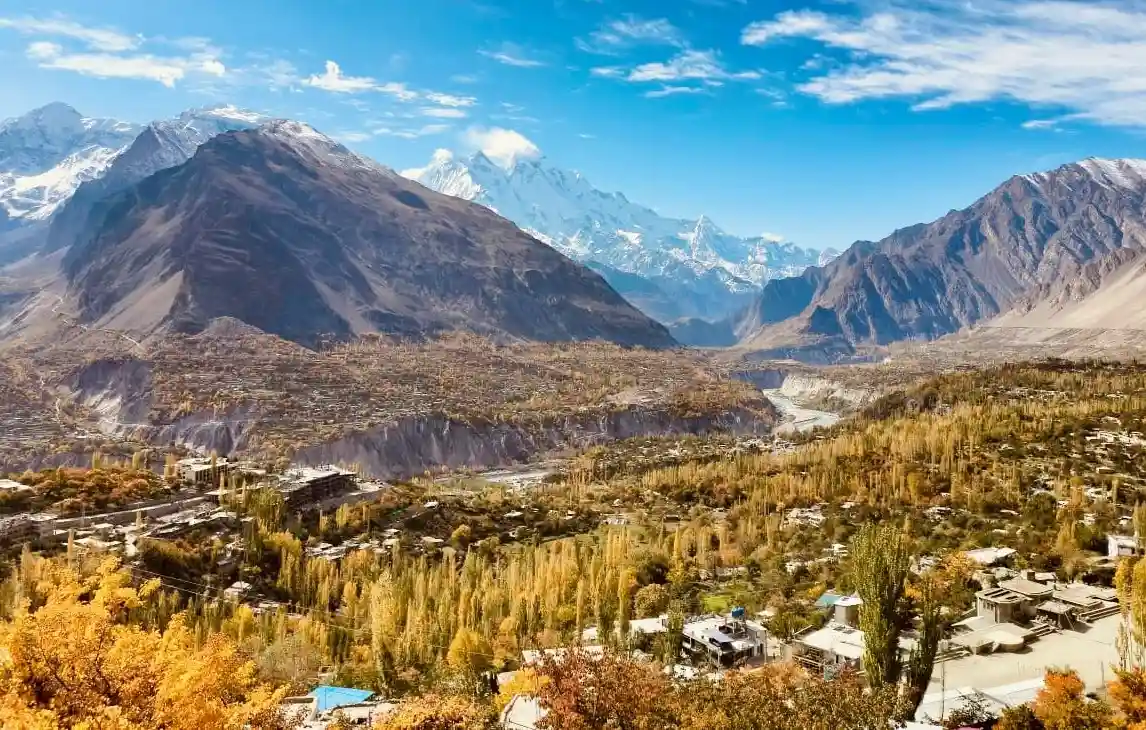
          One of Hunza’s first things that captivates travelers is its jaw-dropping natural beauty. The valley is surrounded by towering peaks such as Rakaposhi, Ultar Sar, and Ladyfinger Peak. The landscape here changes dramatically with the seasons, offering a new perspective with each passing month.

          Hunza Valley

          One of the most enchanting things about Hunza is its people. The locals, known as the Hunzukuts, are a warm, welcoming, and hardworking community. Their hospitality is unparalleled, and you’ll often be invited into their homes for a cup of traditional Hunza tea made from apricots or almonds. These moments of cultural exchange make traveling to Hunza a personal and enriching experience.

          The Hunzukuts speak Burushaski, which is unrelated to any other language. This adds an element of intrigue and charm to the valley, as you get to experience a way of life that’s unlike any other. The culture in Hunza is a blend of Central Asian, Tibetan, and Persian influences, making it a melting pot of traditions, art, and folklore.

          Despite their ancient traditions, the people of Hunza are modern in their outlook. They have an impressive literacy rate, and many speak English fluently. Their way of life is deeply connected to nature, and they practice sustainable farming, growing apricots, almonds, walnuts, and other fruits. Hunza is famous for its apricots, which are not only delicious but are said to have health benefits.

          Hunza is steeped in history, and numerous historical sites offer a window into the past. The Baltit Fort, a UNESCO-listed site, is the most famous. Perched on a hilltop with a view of the entire valley, the fort was once home to the ruling family of Hunza. The fort’s unique architecture, a mix of Tibetan, Persian, and Central Asian styles, is a testament to the region’s rich cultural heritage.

          Nearby, the Altit Fort is another historical gem. This fort, which dates back over 900 years, was once a strategic military stronghold. The fort offers panoramic views of the Hunza Valley and is a great place to explore and learn about the region’s history and heritage. Both forts have been well-preserved; visiting them is like stepping back in time. The old wooden doors, intricate carvings, and traditional furniture make these forts a living museum of Hunza’s past.

          In addition to these forts, several ancient burial sites and religious monuments are scattered throughout the valley. Hunza’s history is intertwined with the cultures of Tibet, Persia, and Central Asia, and the valley has been a crossroads for various civilizations throughout the centuries.

          Hunza valley pakistan

          For adventure enthusiasts, Hunza offers various outdoor activities that will get your heart racing. The towering peaks and rugged terrain make it a dream destination for trekkers and mountaineers.

          The Rakaposhi Base Camp Trek is one of the most popular treks in Hunza. Standing at 7,788 meters, Rakaposhi is the 27th highest mountain in the world. Reaching the base camp requires a multi-day trek through breathtaking landscapes, including forests, meadows, and glaciers. The trek offers awe-inspiring views of Rakaposhi, an unforgettable experience for serious trekkers.

          Another popular trek is the Ultar Sar Trek. The route to the base of Ultar Sar takes you through remote villages, lush forests, and rocky landscapes. The views of the peaks surrounding the valley, including Ladyfinger Peak, are jaw-dropping.

          Hunza is also great for mountain biking, especially the Karakoram Highway, which offers spectacular views of the surrounding mountains and valleys. The Karakoram Highway, which connects Hunza to the rest of Pakistan, is one of the highest paved roads in the world and is often referred to as the “Eighth Wonder of the World.” Riding along this highway is an adventure in itself.

          If you’re more into water sports, the newly formed Attabad Lake offers an ideal location for boating and fishing. The lake, created after a landslide in 2010, is a stunning sight with its turquoise waters surrounded by towering mountains. The lake is also home to some incredible wildlife, including the endangered Markhor (wild goat), which can often be spotted grazing in the nearby hills.

          Hunza’s Culinary Delights

          Food is an important part of the cultural experience in Hunza. The Hunzukuts are known for their simple yet delicious cuisine based on locally grown produce. Apricot-based dishes are a highlight of the Hunza diet, with apricot jam, apricot soup, and apricot tea being some of the most popular items on the menu.

          One dish you must try is Hunza Chapshoro, a type of meat pie stuffed with minced meat, vegetables, and spices and baked to perfection. Giyal, a traditional Hunza bread, is another must-try. It is made from whole wheat and cooked on a hot stone, giving it a unique flavor.

          Apricots, almonds, walnuts, and apples are abundant in the region. You can sample fresh fruits and nuts, often dried and preserved for the long winter months. The flavors of Hunza’s food are simple, yet they leave a lasting impression.

          One of Hunza’s greatest appeals is its serenity. Unlike crowded tourist destinations, Hunza offers a peaceful retreat from the hustle and bustle of modern life. The tranquil environment allows you to disconnect from technology and reconnect with nature.

          Whether you’re sitting by the river, watching the sunrise over the snow-capped peaks, or enjoying a cup of traditional tea in a local home, the valley’s calmness is hard to find in other parts of the world. It’s a place to relax, unwind, and reflect.

          Nearby Destinations

          While visiting Hunza, be sure to explore these nearby gems:

          1. Attabad Lake: A stunning turquoise lake created after a landslide in 2010, perfect for boating and fishing.
          2. Passu Cones: Towering, sharp peaks near Passu village offer breathtaking views and hiking opportunities.
          3. Khunjerab Pass: The highest paved border crossing in the world, connecting Pakistan to China.
          4. Gulmit: A picturesque town known for its orchards and stunning mountain views.
          5. Hopar Valley: Famous for its glaciers and trekking opportunities.

          While Hunza is remote, it is becoming increasingly accessible to travelers. The Karakoram Highway, which connects Hunza to the rest of Pakistan, is one of the most scenic drives you’ll ever experience. The road winds through rugged mountains, deep valleys, and along the shores of rivers, offering dramatic views at every turn.

          There are daily flights to Gilgit from Islamabad. From Gilgit, it’s a 3-4 hour drive to Hunza. The drive is an experience as you pass through picturesque villages and stunning landscapes.

          Hunza isn’t just a destination; it’s an experience. The natural beauty, rich culture, and thrilling adventures make it a place like no other. Whether you’re seeking peace, adventure, or cultural immersion, Hunza offers it all in abundance.

          From its majestic peaks to its warm, welcoming people, Hunza is a place that will stay with you long after you leave. So, if you’re looking for your next great adventure, ensure Hunza is at the top of your list. It’s a destination that promises to surprise, inspire, and leave you in awe at every turn.

        5. Exploring the Baltoro Glacier Trek

          Exploring the Baltoro Glacier Trek

          What Makes the Baltoro Glacier Trek So Special?

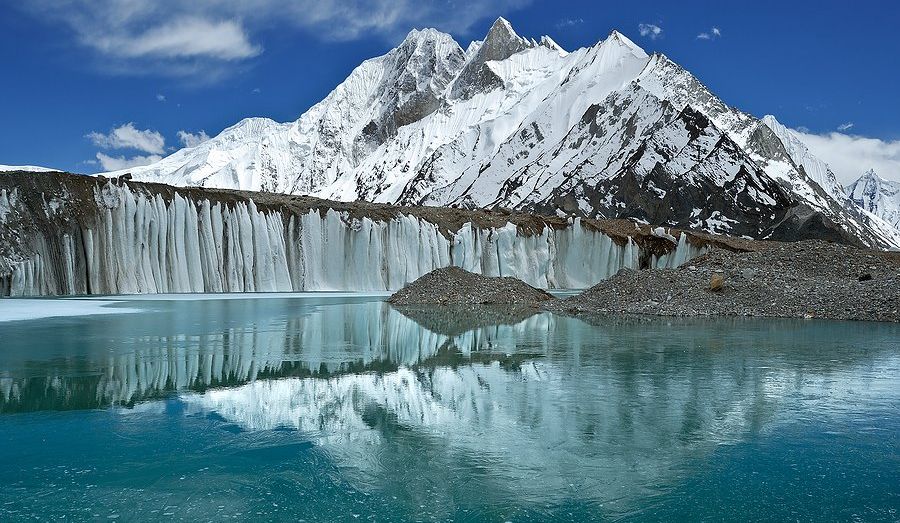
          The Baltoro Glacier Trek isn’t just about trekking; it’s about stepping into the shadow of some of the highest mountains on Earth. Stretching over 60 kilometers, the trek takes you through a dramatic landscape filled with massive ice fields, towering peaks, and stunning valleys. Along the way, you’ll get up close to three of the world’s 14 peaks above 8,000 meters—K2, Broad Peak, and Gasherbrum.

          It’s a trek that offers unparalleled views, the thrill of remote exploration, and a physical challenge that attracts trekkers and mountaineers alike. Whether you’re a seasoned trekker looking for your next adventure or someone planning to experience the wild beauty of Pakistan’s Karakoram range, the Baltoro Glacier Trek has something to offer.

          When Is the Best Time to Trek the Baltoro Glacier?

          Planning your trek around the weather conditions is crucial for the Baltoro Glacier Trek. The best time to visit is between June and September when the weather and temperatures are relatively stable. During this period, temperatures range from -5°C at night to 15°C during the day, making it easier to trek and enjoy the stunning scenery.

          Although the Karakoram region is famous for its harsh weather, summer months are typically free of heavy snowfall and rain. Outside this window, the area can experience extreme cold, snowstorms, and difficult conditions, making the trek dangerous for even experienced trekkers.

          Baltoro Glacier Trek

          How to Reach the Baltoro Glacier Trek

          The trek begins from Askole, a small village in the Skardu district of Gilgit-Baltistan. Here’s how to get there:

          • By Air: The quickest way to reach Skardu is by flying from Islamabad to Skardu Airport. Although scenic, the flight can often be delayed due to weather conditions.
          • By Road: Alternatively, you can travel by road from Islamabad to Skardu, a long 20-hour journey that offers the chance to see stunning landscapes, including the Indus River Valley. From Skardu, a jeep ride to Askole will kickstart your trek.

          The Trek: A Detailed Journey

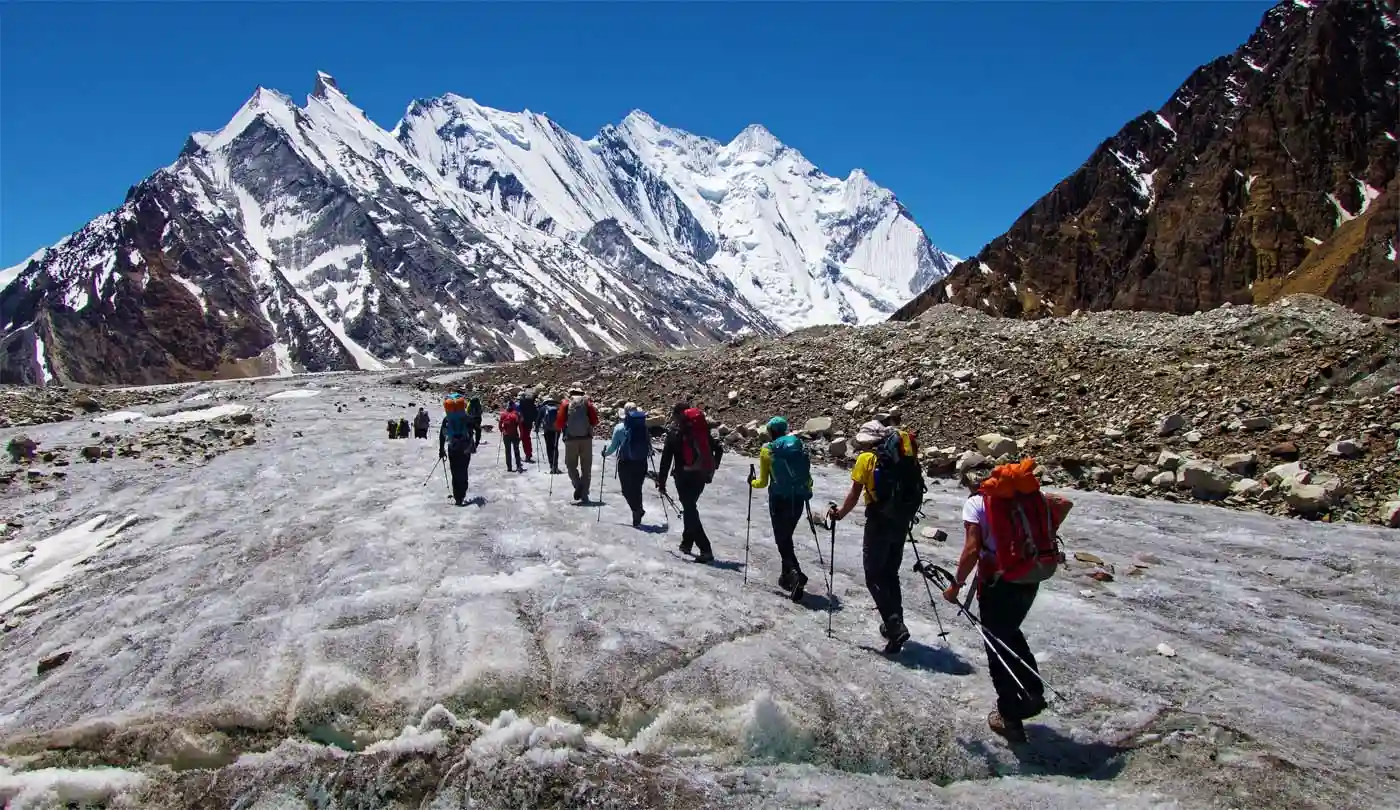
          The Baltoro Glacier Trek is a challenging but incredibly rewarding journey. The terrain is tough, with steep ascents, rocky paths, and stretches of glacier crossings. It’s not a walk in the park but a journey like no other. Here’s a breakdown of the trek’s key sections:

          Day 1-2: Askole to Jhola

          The trek starts in Askole, the last settlement, before venturing into the wilderness. From here, the trail winds through rocky terrain, passing through the village of Jhola. As you walk, the atmosphere shifts from village life to the serenity of the mountain wilderness. The relatively short journey prepares you for the more challenging sections ahead.

          Day 3-5: Jhola to Paiju

          Continuing along the river, the trail leads to Paiju, a key stop on the trek. The landscape becomes more mountainous, and the path narrows as you get closer to the Baltoro Glacier. The walk is more demanding, but seeing the Paiju Peak and the surrounding Karakoram Range keeps your spirits high.

          Baltoro Glacier Trek

          Day 6-8: Paiju to Khoburtse

          As the trek continues, you’ll head towards Khoburtse, crossing more challenging glacier sections. The terrain becomes rockier, and the path winds through moraine fields and ice-covered sections, so staying alert and taking care with each step is crucial. The reward comes with stunning views of the surrounding peaks, including Broad Peak and Gasherbrum IV.

          Day 9-11: Khoburtse to Concordia

          This is the most famous part of the trek. From Khoburtse, you’ll head into the heart of the Baltoro Glacier, where the world-famous Concordia awaits. It is known as the “Throne Room of the Mountain Gods,” and it’s not hard to see why. You’ll be surrounded by some of the world’s most iconic peaks, including K2 and Broad Peak. At Concordia, you’ll feel like you’re standing at the center of the world, with towering glaciers and rocky peaks all around you.

          The views are awe-inspiring, and this area is considered one of the best trekking destinations in the world.

          Day 12-14: Concordia to K2 Base Camp

          The trek’s final leg takes you to the K2 Base Camp, which lies at the foot of the world’s second-highest mountain. The trek to K2 Base Camp is demanding but highly rewarding. You’ll walk across glaciers, with K2 towering above you, and feel the remoteness of the place as you reach the base camp. This is the ultimate goal for many trekkers, and standing in the shadow of K2 is an unforgettable experience.

          After spending some time at the base camp soaking in the views, it’s time to return the same way.

          Challenges of the Baltoro Glacier Trek

          The Baltoro Glacier Trek is not for the faint of heart. Here are the main challenges you’ll face:

          • Altitude: With elevations reaching over 5,000 meters, altitude sickness is a real concern. Proper acclimatization is critical. Taking it slow, staying hydrated, and allowing your body time to adjust is crucial for a safe and enjoyable trek.
          • Weather: The Karakoram is known for unpredictable weather. You can experience sunshine, snowfall, and rain all day, so be prepared for anything.
          • Rugged Terrain: The trek involves glacier crossings, moraine fields, and rocky paths. While there are no technical climbing sections, the terrain can be tough on the knees and ankles, especially when descending.
          • Physical Endurance: It’s a physically demanding trek. You’ll be hiking for long hours at high altitudes, and the terrain requires steady stamina and determination.
          Baltoro glacier Concordia K 2 base camp Trek Pakistan 2 Chitta Katha Lake

          Essential Gear for the Baltoro Glacier Trek

          When trekking the Baltoro Glacier, it’s essential to pack smart and light. Here’s what you’ll need:

          • Clothing: Layered clothing is key. Bring moisture-wicking base layers, a good down jacket, and waterproof outer layers to protect you from the cold, rain, and snow.
          • Footwear: High-quality trekking boots are a must. Please make sure they’re waterproof and broken in before your trip.
          • Sleeping Bag: A sleeping bag rated for sub-zero temperatures is necessary, as the nights can get very cold, especially at higher altitudes.
          • Trekking Poles: These can help with stability on rocky and icy surfaces.
          • Headlamp: A headlamp with extra batteries is a must since it gets dark early.
          • Waterproof Backpack: You’ll need to protect your belongings from the elements.

          Tips for Success on the Baltoro Glacier Trek

          1. Acclimatize Properly: Spend a couple of days at Concordia and other high points to allow your body to adjust to the altitude.
          2. Stay Hydrated and Eat Well: Trekking at high altitudes can quickly dehydrate you. Drink plenty of water and eat high-energy food to fuel your body.
          3. Hire a Guide: While it’s possible to trek without a guide, the Baltoro Glacier Trek is remote and challenging. A guide will help with navigation, offer invaluable local knowledge, and ensure your safety.
          4. Pace Yourself: Don’t rush the trek. The slower you go, the better your chances of adjusting to the altitude and avoiding injury.
          5. Respect Local Customs: The people you meet along the trail, especially the porters and guides, are invaluable to the success of your trek. Be respectful and friendly.

          Conclusion

        6. Top 5 Lakes to Trek to in Northern Pakistan

          Top 5 Lakes to Trek to in Northern Pakistan

          Whether you’re an experienced trekker seeking a challenge or a nature lover yearning for a peaceful retreat, Northern Pakistan’s lakes will undoubtedly leave you amazed. Let’s explore the top five lakes to trek to in Northern Pakistan, each with charm, adventure, and unforgettable scenery. So, pack your gear and prepare to embark on a journey through paradise!

          1. Ratti Gali Lake – The Hidden Gem of Neelum Valley

          • Altitude: 3,700 meters (12,139 feet)
          • Difficulty: Moderate
          • Best Time to Visit: June to September
          • Duration: 3–4 days
          Ratti gali lake
          Ratti gali lake

          Tucked away in the secluded Neelum Valley of Azad Kashmir, Ratti Gali Lake is often considered a hidden gem. Surrounded by snow-covered peaks, lush meadows, and alpine forests, this high-altitude lake is an enchanting sight. Its vibrant turquoise waters starkly contrast with the snow-capped mountains, making it one of the most picturesque lakes in Pakistan.

          The Trek

          Starting from the quaint village of Dowarian, the trek to Ratti Gali Lake is a moderately challenging climb that gradually ascends through dense forests and lush meadows. As you move further along, the trail opens to breathtaking views, with alpine flowers adding color to the verdant surroundings. The last leg of the trek involves a steep climb, but the sight of the lake at the end is worth every effort.

          Why Visit?

          Ratti Gali Lake offers an escape into nature’s untouched beauty. Its serene waters and the surrounding landscape offer peace and a sense of adventure. In summer, the surrounding valleys are dotted with wildflowers, making the trek a feast for the eyes. It’s perfect for those seeking an off-the-beaten-path experience away from the crowds of popular trekking destinations. The solitude and beauty of the lake make it an unforgettable experience.

          Shounter Lake Chitta Katha Lake
          • Altitude: 4,000 meters (13,123 feet)
          • Difficulty: Challenging
          • Best Time to Visit: July to September
          • Duration: 4–6 days

          Located in the remote Shounter Valley, Shounter Lake is a pristine, high-altitude lake surrounded by rugged mountains and glaciers. This lake is a perfect destination for trekkers looking for a more demanding adventure, as the trek is challenging yet immensely rewarding.

          The Trek

          Starting from Astore, the trek crosses streams, rocky paths, and alpine meadows before reaching the challenging ascent leading to Shounter Lake. The route can be tough, especially as you approach the higher altitudes, but the landscape is mesmerizing. As you finally reach the lake, you’ll be greeted with the stunning sight of turquoise waters surrounded by snow-clad peaks and glaciers.

          Why Visit?

          The trek to Shounter Lake is for those who crave a more rugged adventure. The remote nature of this destination makes it an incredibly peaceful experience, with the landscape offering incredible photo opportunities. The lake’s crystal-clear waters are nestled among the towering peaks, providing a tranquil oasis amidst the wilderness. It’s a true paradise for adventure lovers and nature enthusiasts alike.

          3. Satpara Lake – A Trek for the Adventurous

          Satpara Lake
          • Altitude: 2,635 meters (8,645 feet)
          • Difficulty: Easy to Moderate
          • Best Time to Visit: April to October
          • Duration: 1–2 days

          Just a short drive from Skardu, Satpara Lake is one of the most accessible alpine lakes in Northern Pakistan. Nestled in the heart of the Karakoram Range, this serene lake is surrounded by steep mountains and lush meadows, making it a perfect spot for a relaxing trek.

          The Trek

          The journey to Satpara Lake begins from Skardu and follows a well-defined trail through valleys and beside bubbling streams. The trek is relatively easy, making it ideal for those who want to enjoy the region’s natural beauty without a demanding climb. The lake sits within a glacial basin, and its waters are incredibly blue, reflecting the beauty of the surrounding peaks.

          Why Visit?

          Satpara Lake offers an easily accessible retreat for trekkers who want to immerse themselves in the tranquility of nature. The landscape is stunning, and the lake is perfect for photography and relaxation. The peaceful ambiance, surrounding wildlife, and traditional villages make this an ideal destination for nature lovers. You can camp nearby and soak in the calmness of the lake as you watch the stars twinkle above.

          4. Sheosar Lake – The Jewel of Deosai National Park

          Sheosar Lake
          Sheosar Lake
          • Altitude: 4,114 meters (13,497 feet)
          • Difficulty: Easy
          • Best Time to Visit: May to October
          • Duration: 1–2 days

          Nestled within Deosai National Park, also known as the “Land of Giants,” Sheosar Lake is one of the most stunning lakes in Pakistan. Located on the vast Deosai Plateau, this serene lake offers breathtaking views of the surrounding meadows and snow-capped peaks.

          The Trek

          Getting to Sheosar Lake is relatively simple. You can travel to the lake via a jeep ride from Skardu. Once you reach the lake, you can explore its shores, take a leisurely hike around it, and enjoy the panoramic views of the Deosai Plateau. The lake’s surroundings are rich in wildlife, including the elusive Himalayan brown bear, wild horses, and migratory birds.

          Why Visit?

          Sheosar Lake offers trekkers a chance to experience the vast, open landscape of Deosai, one of the highest plateaus in the world. The lake is a peaceful haven for those seeking solitude and nature. The area is also home to a unique array of wildlife, making it an ideal spot for wildlife photographers. The endless skies and lush meadows are perfect for relaxation and reflection.

          5. Attabad Lake – A Lake Born from Tragedy

          Attabad Lake
          • Altitude: 2,500 meters (8,200 feet)
          • Difficulty: Easy
          • Best Time to Visit: March to October
          • Duration: 1 day

          In 2010, a massive landslide blocked the Hunza River, creating Attabad Lake (also known as Gojal Lake). The lake’s creation was both tragic and beautiful. It flooded the surrounding villages but resulted in a stunning lake surrounded by towering cliffs and snow-capped peaks.

          The Trek

          Although Attabad Lake is easily accessible by jeep or boat, a short trek around the lake provides stunning views of the surrounding cliffs and mountains. The lake’s calm, turquoise waters reflect the mountains, making it an exceptional spot for photography. You can also explore the nearby villages and interact with the friendly locals, learning about the history of the lake’s creation.

          Why Visit?

          Attabad Lake is one of the most unique destinations in Pakistan. The combination of its tragic history and breathtaking beauty makes it a must-see for any adventurer. It offers an opportunity to reflect on the power of nature while experiencing its calming effects. The surrounding area offers numerous hiking opportunities, making it an excellent location for a day of exploration.

          Conclusion

          Northern Pakistan is truly a hidden paradise, offering trekkers the chance to explore some of the world’s most stunning alpine lakes. Whether it’s the vibrant waters of Ratti Gali Lake, the adventurous trails leading to Shounter Lake, or the peaceful serenity of Satpara Lake, the region is full of natural wonders that promise to awaken you. Sheosar Lake and Attabad Lake provide unique experiences, combining tranquil settings with jaw-dropping beauty.

        7. What Are the Best Road Trips in Northern Pakistan?

          What Are the Best Road Trips in Northern Pakistan?

          The Karakoram Highway

          Why It’s Worth It:

          Kaghan Valley
          • Naran to Lake Saif ul Malook: A short detour from Naran will take you to Lake Saif ul Malook, one of Pakistan’s most famous high-altitude lakes. The lake’s turquoise waters are surrounded by towering peaks, making for a stunning sight. It’s a great place to relax, take photos, or enjoy a boat ride.
          Skardu
          • Islamabad to Chilas: The road to Skardu starts in Islamabad and passes through Chilas, a town along the Indus River. The drive to Chilas is long but scenic, passing through small towns, villages, and valleys.
          • Satpara Lake: From Skardu, head towards Satpara Lake, a pristine body of water surrounded by glaciers and snow-covered peaks. The lake’s blue-green waters reflect the surrounding mountains, creating an unparalleled beauty.
          Fairy meadows
          Swat Valley
        8. Top 10 High-Altitude Treks in Pakistan: Explore the Roof of the World

          Top 10 High-Altitude Treks in Pakistan: Explore the Roof of the World

          The Majestic K2 Mountain A Detailed Exploration of K2
          • Altitude: 3,967 meters (13,015 feet)
          Fairy Meadows and Nanga Parbat Base Camp
          Ratti gali lake
          • Challenges: Steep climbs near the lake.

          Overview

          Passu Glacier Trek

          The Trekking Experience

          Highlights and Challenges

          • Challenges: Steep and narrow trails.
          • Preparation Tips: Practice hiking on rocky terrain and carry essentials for unpredictable weather.

          5. Snow Lake (Lukpe Lawo) Trek: A Remote Wonderland
          Overview

          • Altitude: 5,030 meters (16,503 feet)
          • Duration: 14–16 days
          • Difficulty: Extremely Challenging
          Snow lake

          The Trekking Experience

          Overview

          Rush lake pakistan

          Overview

          Shimshal Pass Trek Chitta Katha Lake

          Overview

          • Difficulty: Easy
          Deosai Plains and Sheosar Lake Trek Chitta Katha Lake

          The Deosai Plains, known as the “Land of Giants,” is a sprawling plateau offering wildlife spotting and surreal landscapes. The trek to Sheosar Lake is both serene and visually stunning.

          The Trekking Experience

          From Skardu or Astore, the trek leads through undulating plains and vibrant meadows to the pristine Sheosar Lake. This trek is relatively easy, making it perfect for beginners.

          Highlights and Challenges

          • Key Attractions: Expansive plains, Sheosar Lake, and rare wildlife like the Himalayan brown bear.
          • Challenges: Weather fluctuations and isolation.

          Preparation Tips: Bring a good camera and warm clothing for chilly evenings.

          9. Biafo and Hispar Glacier Trek: A Journey Across Icy Giants
          Overview

          • Difficulty: Challenging
          Biafo and Hispar Glacier Trek

          Overview

          Chitta Katha Lake
          • Key Attractions: Stunning lake views, vibrant wildflowers, and local culture in nearby villages.
        9. Why Pakistan Is Emerging as a Top Luxury Travel Destination

          Why Pakistan Is Emerging as a Top Luxury Travel Destination

          Fairy Meadows
          Travel destinations in pakistan

        Translate »

        Proceed Booking