Category: Pakistan Tour

  • Rush Lake Trek: Alpine Beauty of Nagar Valley, Pakistan

    Rush Lake Trek: Alpine Beauty of Nagar Valley, Pakistan

    This blog explores the Rush Lake trek, its historical and natural significance, and why it is a must-visit for anyone seeking adventure and tranquility in Northern Pakistan.

    The Beauty of Nagar Valley: A Gateway to Rush Lake

    Once a princely state, Nagar Valley is a serene and culturally rich region in Gilgit-Baltistan. It is located near the famous Hunza Valley, with the Hunza River separating the two. This valley is less commercialized than its counterpart, making it an untouched gem for nature lovers.

    The valley serves as the gateway to the Rush Lake trek. Along the journey, trekkers are treated to awe-inspiring views of majestic peaks like Rakaposhi (7,788 m), Ultar Sar (7,388 m), and Diran (7,266 m). The region’s vibrant culture, warm hospitality, and lush meadows set the perfect stage for an unforgettable adventure.

    The Origins and Significance of Rush Lake

    Rush Lake is named from the local term “Rush Pari,” which means “angel’s lake,” reflecting the area’s ethereal beauty. Historically, the lake was less known to outsiders until trekking and mountaineering gained popularity in the region. Over the years, it has become a sought-after destination for trekkers due to its challenging terrain and stunning panoramic views.

    The lake is part of the Karakoram mountain range and lies near Rush Peak, a non-technical climbing summit that offers breathtaking 360-degree views of some of the world’s highest peaks, including K2, Broad Peak, and Gasherbrum IV on a clear day.

    rush-lake-trek

    Why Is Rush Lake Famous Among Tourists?

    1. Alpine Beauty at Its Best

    Rugged mountains, lush alpine meadows, and glacial landscapes surround Rush Lake’s tranquil waters. Its remote location and pristine beauty make it a magnet for nature enthusiasts and photographers.

    2. Adventure of a Lifetime

    The trek to Rush Lake is challenging, involving steep ascents, glacier crossings, and long stretches of rugged terrain. This adventure draws seasoned trekkers and thrill-seekers from across the globe.

    3. Panoramic Mountain Views

    The lake offers unobstructed views of towering peaks, including Spantik (Golden Peak), Malubiting, and Miar Peak. For many, the Rush Peak view is the journey’s highlight.

    4. Cultural Experience

    The villages and communities in Nagar Valley are rich in culture and history. Trekkers often interact with locals, gaining insights into traditional lifestyles, languages, and cuisines.

    The Rush Lake Trek: An Adventure to Remember

    The trek to Rush Lake is not for the faint-hearted. It requires stamina, preparation, and a sense of adventure. Here’s a breakdown of what to expect on this remarkable journey:

    Starting Point: Hoper Valley

    The trek begins in the Hoper Valley, a picturesque region known for its Hoper Glacier. This village is about 10 kilometers from Nagar Khas, the main town of Nagar Valley.

    Attractions in Hoper:

    • Views of Hoper Glacier and Barpu Glacier.
    • Traditional stone houses and terraced fields.

    Trekkers typically stay overnight in Hoper to acclimatize and prepare for the trek.

    Day 1: Hoper to Barpu Giram

    • Duration: 5-6 hours
    • Terrain: A mix of steep ascents and glacier crossings.

    The first stretch involves crossing the Hoper Glacier, a thrilling experience that requires careful navigation. The journey then leads to Barpu Giram, a beautiful campsite surrounded by meadows and rocky terrain.

    Day 2: Barpu Giram to Rush Lake

    • Duration: 7-8 hours
    • Terrain: Steep and rugged, with gradual altitude gain.

    The second day is the most challenging part of the trek, with steep ascents leading to Rush Lake. Trekkers pass through lush pastures and gain altitude rapidly. The sight of Rush Lake after hours of effort is immensely rewarding.

    Day 3: Visit Rush Peak (Optional)

    • Duration: 2-3 hours (one way)
    • A climb to Rush Peak is highly recommended for those who wish to extend their adventure. This non-technical ascent offers unparalleled views of K2 and other peaks in the Karakoram range.

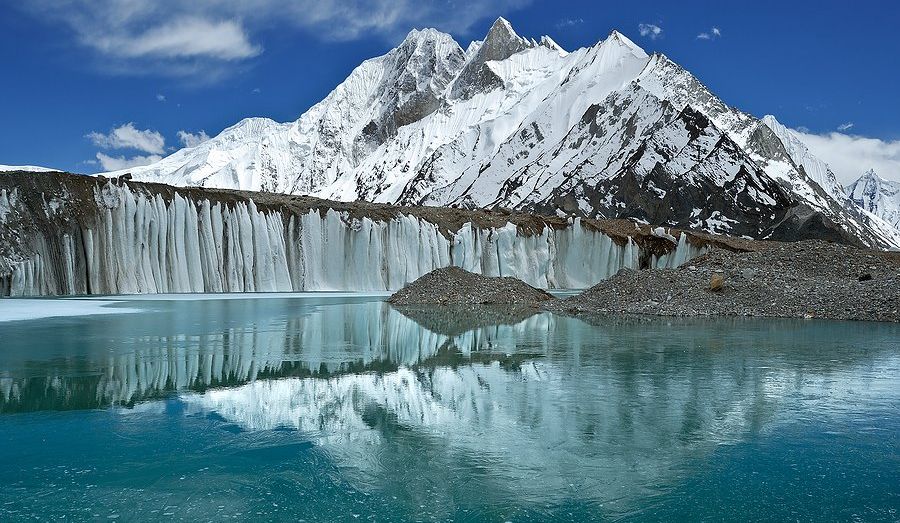
    rush lake glacier view

    Day 4: Return Journey

    • Retrace your steps to Hoper Valley, enjoying the scenic views and reflecting on the journey.

    The Rush Lake Experience

    Upon reaching Rush Lake, trekkers are greeted by:

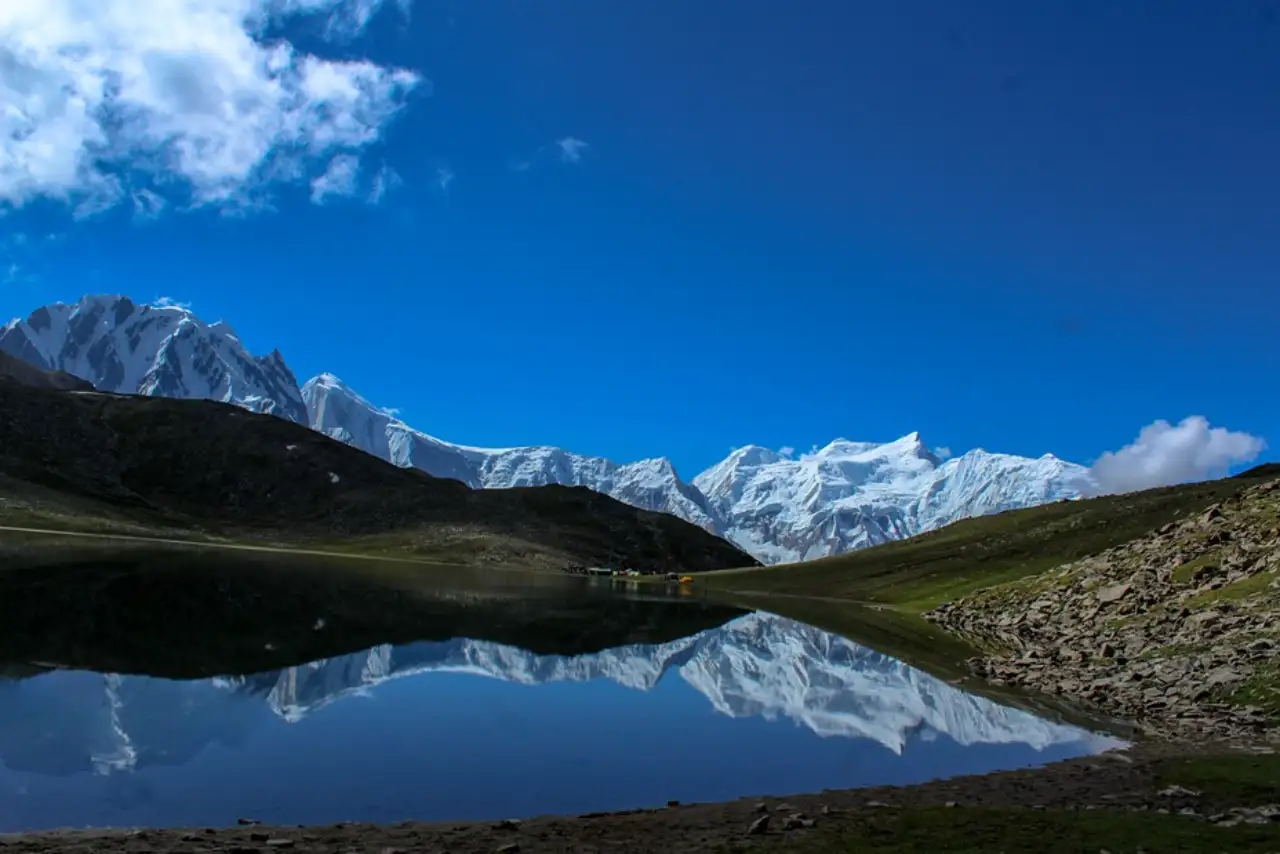
    • The lake’s calm, reflective surface is often compared to a mirror.
    • Vibrant wildflowers and pastures surround the lake.
    • Quiet solitude, far from civilization.

    Camping by the lake under a star-filled sky highlights the trip, offering a sense of peace and connection with nature.

    Flora, Fauna, and Natural Wonders Along the Trek

    The Rush Lake trek is not just about reaching the lake—it’s also about the incredible natural beauty encountered along the way:

    • Flora: Wildflowers, juniper trees, and alpine vegetation dominate the landscape.
    • Fauna: The area is home to Himalayan ibex, snow leopards (rarely seen), marmots, and various birds.
    • Glaciers: The trek passes near the Hoper Glacier and Barpu Glacier, providing stunning views of these icy wonders.

    Tips for Trekkers: Preparing for Rush Lake

    1. Physical Fitness

    The trek is challenging and requires good physical fitness. Prepare with cardio and strength training several weeks in advance.

    2. Proper Gear

    • Sturdy trekking boots.
    • Warm clothing for high-altitude conditions.
    • Sleeping bags and tents if not arranged by a guide.

    3. Hire a Guide

    While experienced trekkers can navigate independently, hiring a local guide ensures a safer and more enriching experience.

    4. Stay Hydrated and Acclimatized

    Carry enough water and give your body time to adjust to high altitudes to prevent altitude sickness.

    5. Respect Nature

    Do not litter or harm the environment. Carry all waste back with you to keep the area pristine.

    Rush-lake-trek nagar

    Best Time to Trek to Rush Lake

    The ideal time to visit Rush Lake is during summer (June to September) when the weather is mild and the trails are accessible. During these months, the meadows are lush, and the skies are clear for stunning views of the mountains.

    In winter, the lake and trails are covered in snow, making the trek nearly impossible without specialized gear and expertise.

    Rush Lake: A Treasure for Tourists

    Rush Lake is more than just a trekking destination—it’s a journey of discovery. Here’s why it holds a special place in the hearts of tourists:

    • Adventure: The thrill of crossing glaciers and scaling heights.
    • Solitude: A chance to disconnect from the modern world and reconnect with nature.
    • Cultural Insights: Interactions with the warm and hospitable people of Nagar Valley.

    Conclusion: Why Rush Lake Should Be on Your Bucket List

    The trek to Rush Lake in Nagar Valley is an unparalleled adventure that combines physical challenge with the reward of discovering one of the most stunning alpine lakes in the world. Whether it’s the captivating views, the thrilling trek, or the chance to immerse yourself in nature, Rush Lake offers an experience that lingers in your heart long after you leave.

  • Exploring the Baltoro Glacier Trek

    Exploring the Baltoro Glacier Trek

    What Makes the Baltoro Glacier Trek So Special?

    The Baltoro Glacier Trek isn’t just about trekking; it’s about stepping into the shadow of some of the highest mountains on Earth. Stretching over 60 kilometers, the trek takes you through a dramatic landscape filled with massive ice fields, towering peaks, and stunning valleys. Along the way, you’ll get up close to three of the world’s 14 peaks above 8,000 meters—K2, Broad Peak, and Gasherbrum.

    It’s a trek that offers unparalleled views, the thrill of remote exploration, and a physical challenge that attracts trekkers and mountaineers alike. Whether you’re a seasoned trekker looking for your next adventure or someone planning to experience the wild beauty of Pakistan’s Karakoram range, the Baltoro Glacier Trek has something to offer.

    When Is the Best Time to Trek the Baltoro Glacier?

    Planning your trek around the weather conditions is crucial for the Baltoro Glacier Trek. The best time to visit is between June and September when the weather and temperatures are relatively stable. During this period, temperatures range from -5°C at night to 15°C during the day, making it easier to trek and enjoy the stunning scenery.

    Although the Karakoram region is famous for its harsh weather, summer months are typically free of heavy snowfall and rain. Outside this window, the area can experience extreme cold, snowstorms, and difficult conditions, making the trek dangerous for even experienced trekkers.

    Baltoro Glacier Trek

    How to Reach the Baltoro Glacier Trek

    The trek begins from Askole, a small village in the Skardu district of Gilgit-Baltistan. Here’s how to get there:

    • By Air: The quickest way to reach Skardu is by flying from Islamabad to Skardu Airport. Although scenic, the flight can often be delayed due to weather conditions.
    • By Road: Alternatively, you can travel by road from Islamabad to Skardu, a long 20-hour journey that offers the chance to see stunning landscapes, including the Indus River Valley. From Skardu, a jeep ride to Askole will kickstart your trek.

    The Trek: A Detailed Journey

    The Baltoro Glacier Trek is a challenging but incredibly rewarding journey. The terrain is tough, with steep ascents, rocky paths, and stretches of glacier crossings. It’s not a walk in the park but a journey like no other. Here’s a breakdown of the trek’s key sections:

    Day 1-2: Askole to Jhola

    The trek starts in Askole, the last settlement, before venturing into the wilderness. From here, the trail winds through rocky terrain, passing through the village of Jhola. As you walk, the atmosphere shifts from village life to the serenity of the mountain wilderness. The relatively short journey prepares you for the more challenging sections ahead.

    Day 3-5: Jhola to Paiju

    Continuing along the river, the trail leads to Paiju, a key stop on the trek. The landscape becomes more mountainous, and the path narrows as you get closer to the Baltoro Glacier. The walk is more demanding, but seeing the Paiju Peak and the surrounding Karakoram Range keeps your spirits high.

    Baltoro Glacier Trek

    Day 6-8: Paiju to Khoburtse

    As the trek continues, you’ll head towards Khoburtse, crossing more challenging glacier sections. The terrain becomes rockier, and the path winds through moraine fields and ice-covered sections, so staying alert and taking care with each step is crucial. The reward comes with stunning views of the surrounding peaks, including Broad Peak and Gasherbrum IV.

    Day 9-11: Khoburtse to Concordia

    This is the most famous part of the trek. From Khoburtse, you’ll head into the heart of the Baltoro Glacier, where the world-famous Concordia awaits. It is known as the “Throne Room of the Mountain Gods,” and it’s not hard to see why. You’ll be surrounded by some of the world’s most iconic peaks, including K2 and Broad Peak. At Concordia, you’ll feel like you’re standing at the center of the world, with towering glaciers and rocky peaks all around you.

    The views are awe-inspiring, and this area is considered one of the best trekking destinations in the world.

    Day 12-14: Concordia to K2 Base Camp

    The trek’s final leg takes you to the K2 Base Camp, which lies at the foot of the world’s second-highest mountain. The trek to K2 Base Camp is demanding but highly rewarding. You’ll walk across glaciers, with K2 towering above you, and feel the remoteness of the place as you reach the base camp. This is the ultimate goal for many trekkers, and standing in the shadow of K2 is an unforgettable experience.

    After spending some time at the base camp soaking in the views, it’s time to return the same way.

    Challenges of the Baltoro Glacier Trek

    The Baltoro Glacier Trek is not for the faint of heart. Here are the main challenges you’ll face:

    • Altitude: With elevations reaching over 5,000 meters, altitude sickness is a real concern. Proper acclimatization is critical. Taking it slow, staying hydrated, and allowing your body time to adjust is crucial for a safe and enjoyable trek.
    • Weather: The Karakoram is known for unpredictable weather. You can experience sunshine, snowfall, and rain all day, so be prepared for anything.
    • Rugged Terrain: The trek involves glacier crossings, moraine fields, and rocky paths. While there are no technical climbing sections, the terrain can be tough on the knees and ankles, especially when descending.
    • Physical Endurance: It’s a physically demanding trek. You’ll be hiking for long hours at high altitudes, and the terrain requires steady stamina and determination.
    Baltoro glacier Concordia K 2 base camp Trek Pakistan 2 Baltoro Glacier Trek

    Essential Gear for the Baltoro Glacier Trek

    When trekking the Baltoro Glacier, it’s essential to pack smart and light. Here’s what you’ll need:

    • Clothing: Layered clothing is key. Bring moisture-wicking base layers, a good down jacket, and waterproof outer layers to protect you from the cold, rain, and snow.
    • Footwear: High-quality trekking boots are a must. Please make sure they’re waterproof and broken in before your trip.
    • Sleeping Bag: A sleeping bag rated for sub-zero temperatures is necessary, as the nights can get very cold, especially at higher altitudes.
    • Trekking Poles: These can help with stability on rocky and icy surfaces.
    • Headlamp: A headlamp with extra batteries is a must since it gets dark early.
    • Waterproof Backpack: You’ll need to protect your belongings from the elements.

    Tips for Success on the Baltoro Glacier Trek

    1. Acclimatize Properly: Spend a couple of days at Concordia and other high points to allow your body to adjust to the altitude.
    2. Stay Hydrated and Eat Well: Trekking at high altitudes can quickly dehydrate you. Drink plenty of water and eat high-energy food to fuel your body.
    3. Hire a Guide: While it’s possible to trek without a guide, the Baltoro Glacier Trek is remote and challenging. A guide will help with navigation, offer invaluable local knowledge, and ensure your safety.
    4. Pace Yourself: Don’t rush the trek. The slower you go, the better your chances of adjusting to the altitude and avoiding injury.
    5. Respect Local Customs: The people you meet along the trail, especially the porters and guides, are invaluable to the success of your trek. Be respectful and friendly.

    Conclusion

  • Top 5 Lakes to Trek to in Northern Pakistan

    Top 5 Lakes to Trek to in Northern Pakistan

    Whether you’re an experienced trekker seeking a challenge or a nature lover yearning for a peaceful retreat, Northern Pakistan’s lakes will undoubtedly leave you amazed. Let’s explore the top five lakes to trek to in Northern Pakistan, each with charm, adventure, and unforgettable scenery. So, pack your gear and prepare to embark on a journey through paradise!

    1. Ratti Gali Lake – The Hidden Gem of Neelum Valley

    • Altitude: 3,700 meters (12,139 feet)
    • Difficulty: Moderate
    • Best Time to Visit: June to September
    • Duration: 3–4 days
    Ratti gali lake
    Ratti gali lake

    Tucked away in the secluded Neelum Valley of Azad Kashmir, Ratti Gali Lake is often considered a hidden gem. Surrounded by snow-covered peaks, lush meadows, and alpine forests, this high-altitude lake is an enchanting sight. Its vibrant turquoise waters starkly contrast with the snow-capped mountains, making it one of the most picturesque lakes in Pakistan.

    The Trek

    Starting from the quaint village of Dowarian, the trek to Ratti Gali Lake is a moderately challenging climb that gradually ascends through dense forests and lush meadows. As you move further along, the trail opens to breathtaking views, with alpine flowers adding color to the verdant surroundings. The last leg of the trek involves a steep climb, but the sight of the lake at the end is worth every effort.

    Why Visit?

    Ratti Gali Lake offers an escape into nature’s untouched beauty. Its serene waters and the surrounding landscape offer peace and a sense of adventure. In summer, the surrounding valleys are dotted with wildflowers, making the trek a feast for the eyes. It’s perfect for those seeking an off-the-beaten-path experience away from the crowds of popular trekking destinations. The solitude and beauty of the lake make it an unforgettable experience.

    Shounter Lake Baltoro Glacier Trek
    • Altitude: 4,000 meters (13,123 feet)
    • Difficulty: Challenging
    • Best Time to Visit: July to September
    • Duration: 4–6 days

    Located in the remote Shounter Valley, Shounter Lake is a pristine, high-altitude lake surrounded by rugged mountains and glaciers. This lake is a perfect destination for trekkers looking for a more demanding adventure, as the trek is challenging yet immensely rewarding.

    The Trek

    Starting from Astore, the trek crosses streams, rocky paths, and alpine meadows before reaching the challenging ascent leading to Shounter Lake. The route can be tough, especially as you approach the higher altitudes, but the landscape is mesmerizing. As you finally reach the lake, you’ll be greeted with the stunning sight of turquoise waters surrounded by snow-clad peaks and glaciers.

    Why Visit?

    The trek to Shounter Lake is for those who crave a more rugged adventure. The remote nature of this destination makes it an incredibly peaceful experience, with the landscape offering incredible photo opportunities. The lake’s crystal-clear waters are nestled among the towering peaks, providing a tranquil oasis amidst the wilderness. It’s a true paradise for adventure lovers and nature enthusiasts alike.

    3. Satpara Lake – A Trek for the Adventurous

    Satpara Lake
    • Altitude: 2,635 meters (8,645 feet)
    • Difficulty: Easy to Moderate
    • Best Time to Visit: April to October
    • Duration: 1–2 days

    Just a short drive from Skardu, Satpara Lake is one of the most accessible alpine lakes in Northern Pakistan. Nestled in the heart of the Karakoram Range, this serene lake is surrounded by steep mountains and lush meadows, making it a perfect spot for a relaxing trek.

    The Trek

    The journey to Satpara Lake begins from Skardu and follows a well-defined trail through valleys and beside bubbling streams. The trek is relatively easy, making it ideal for those who want to enjoy the region’s natural beauty without a demanding climb. The lake sits within a glacial basin, and its waters are incredibly blue, reflecting the beauty of the surrounding peaks.

    Why Visit?

    Satpara Lake offers an easily accessible retreat for trekkers who want to immerse themselves in the tranquility of nature. The landscape is stunning, and the lake is perfect for photography and relaxation. The peaceful ambiance, surrounding wildlife, and traditional villages make this an ideal destination for nature lovers. You can camp nearby and soak in the calmness of the lake as you watch the stars twinkle above.

    4. Sheosar Lake – The Jewel of Deosai National Park

    Sheosar Lake
    Sheosar Lake
    • Altitude: 4,114 meters (13,497 feet)
    • Difficulty: Easy
    • Best Time to Visit: May to October
    • Duration: 1–2 days

    Nestled within Deosai National Park, also known as the “Land of Giants,” Sheosar Lake is one of the most stunning lakes in Pakistan. Located on the vast Deosai Plateau, this serene lake offers breathtaking views of the surrounding meadows and snow-capped peaks.

    The Trek

    Getting to Sheosar Lake is relatively simple. You can travel to the lake via a jeep ride from Skardu. Once you reach the lake, you can explore its shores, take a leisurely hike around it, and enjoy the panoramic views of the Deosai Plateau. The lake’s surroundings are rich in wildlife, including the elusive Himalayan brown bear, wild horses, and migratory birds.

    Why Visit?

    Sheosar Lake offers trekkers a chance to experience the vast, open landscape of Deosai, one of the highest plateaus in the world. The lake is a peaceful haven for those seeking solitude and nature. The area is also home to a unique array of wildlife, making it an ideal spot for wildlife photographers. The endless skies and lush meadows are perfect for relaxation and reflection.

    5. Attabad Lake – A Lake Born from Tragedy

    Attabad Lake
    • Altitude: 2,500 meters (8,200 feet)
    • Difficulty: Easy
    • Best Time to Visit: March to October
    • Duration: 1 day

    In 2010, a massive landslide blocked the Hunza River, creating Attabad Lake (also known as Gojal Lake). The lake’s creation was both tragic and beautiful. It flooded the surrounding villages but resulted in a stunning lake surrounded by towering cliffs and snow-capped peaks.

    The Trek

    Although Attabad Lake is easily accessible by jeep or boat, a short trek around the lake provides stunning views of the surrounding cliffs and mountains. The lake’s calm, turquoise waters reflect the mountains, making it an exceptional spot for photography. You can also explore the nearby villages and interact with the friendly locals, learning about the history of the lake’s creation.

    Why Visit?

    Attabad Lake is one of the most unique destinations in Pakistan. The combination of its tragic history and breathtaking beauty makes it a must-see for any adventurer. It offers an opportunity to reflect on the power of nature while experiencing its calming effects. The surrounding area offers numerous hiking opportunities, making it an excellent location for a day of exploration.

    Conclusion

    Northern Pakistan is truly a hidden paradise, offering trekkers the chance to explore some of the world’s most stunning alpine lakes. Whether it’s the vibrant waters of Ratti Gali Lake, the adventurous trails leading to Shounter Lake, or the peaceful serenity of Satpara Lake, the region is full of natural wonders that promise to awaken you. Sheosar Lake and Attabad Lake provide unique experiences, combining tranquil settings with jaw-dropping beauty.

  • What Are the Best Road Trips in Northern Pakistan?

    What Are the Best Road Trips in Northern Pakistan?

    The Karakoram Highway

    Why It’s Worth It:

    Kaghan Valley
    • Naran to Lake Saif ul Malook: A short detour from Naran will take you to Lake Saif ul Malook, one of Pakistan’s most famous high-altitude lakes. The lake’s turquoise waters are surrounded by towering peaks, making for a stunning sight. It’s a great place to relax, take photos, or enjoy a boat ride.
    Skardu
    • Islamabad to Chilas: The road to Skardu starts in Islamabad and passes through Chilas, a town along the Indus River. The drive to Chilas is long but scenic, passing through small towns, villages, and valleys.
    • Satpara Lake: From Skardu, head towards Satpara Lake, a pristine body of water surrounded by glaciers and snow-covered peaks. The lake’s blue-green waters reflect the surrounding mountains, creating an unparalleled beauty.
    Fairy meadows
    Swat Valley
  • Tourism Infrastructure Development in Pakistan: What’s New in 2024?

    Tourism Infrastructure Development in Pakistan: What’s New in 2024?

    Market Growth Projections

    Government Initiatives and Policies

    • Pakistan Travel and Tourism Symposium 2024

    •  China-Pakistan Economic Corridor (CPEC) and Tourism Infrastructure

    • Salam Pakistan” Tourism Brand

    Transportation Infrastructure

    • Karakoram Highway (KKH)

    • Swat Motorway Phase II

    • Coastal Highway Development

    Airports and Air Connectivity

    • New Gwadar International Airport

    • Islamabad International Airport Expansion

    • Skardu and Gilgit Airport

    • New Flights

    Accommodation and Hospitality

    Luxury Hotels and Resorts

    Adventure Tourism and Outdoor Activities

    • Hiking and Trekking Trails:

    The establishment of well-marked hiking and trekking trails in the northern areas has been a boon for tourists to view Pakistan’s natural beauty. Some of the newly developed routes are the Rakaposhi Base Camp trek and Deosai National Park trails. All these are singly now the source of an augment, by a disparate 35 % in escapade tourists.

    Digital Tourism Platforms

    Mobile apps to help you find your whereabouts, local information, and emergency services. Users can access live weather forecasts, traffic updates, and event information from these applications. The most downloaded app has more than half a million downloads.

    • Economic Impact & Job Creation

    Future Prospects and Challenges

    Challenges

    Future Prospects

Translate »

Proceed Booking