Author: Shaan Abbas

  • Discover Miranjani: A Perfect Family Adventure

    Discover Miranjani: A Perfect Family Adventure

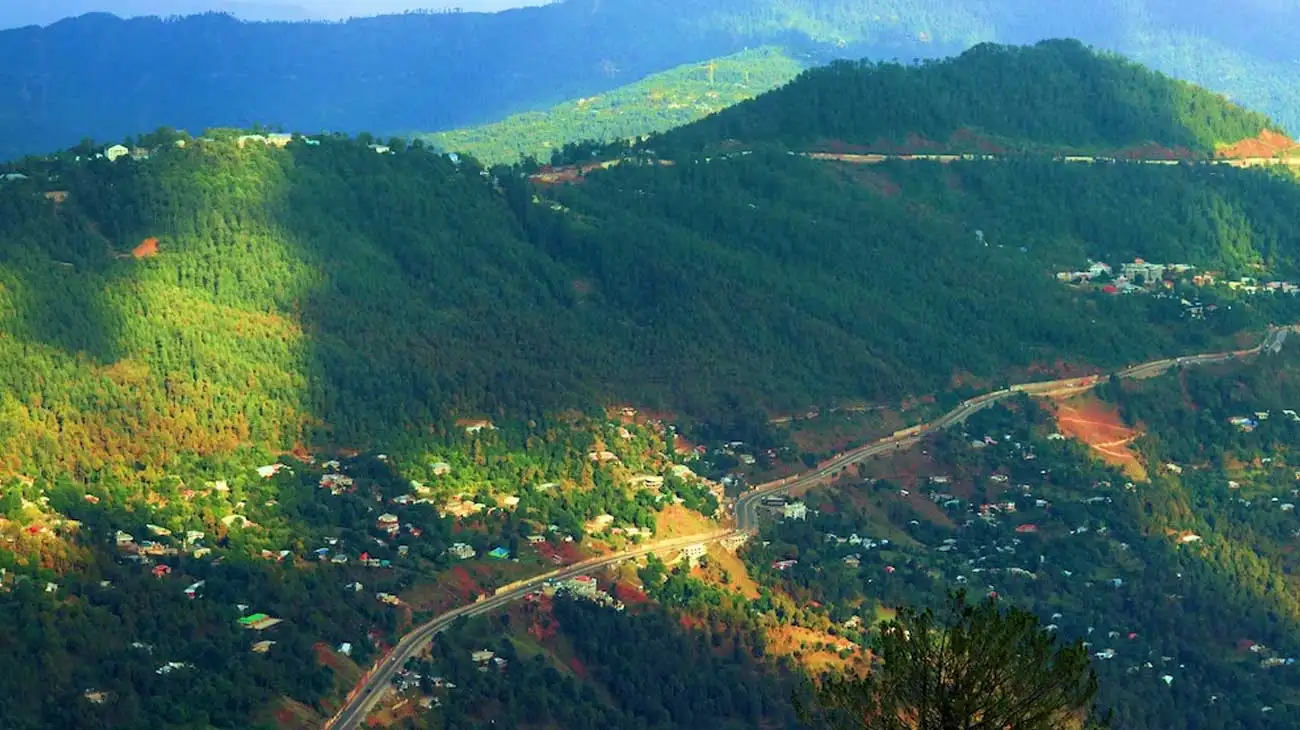
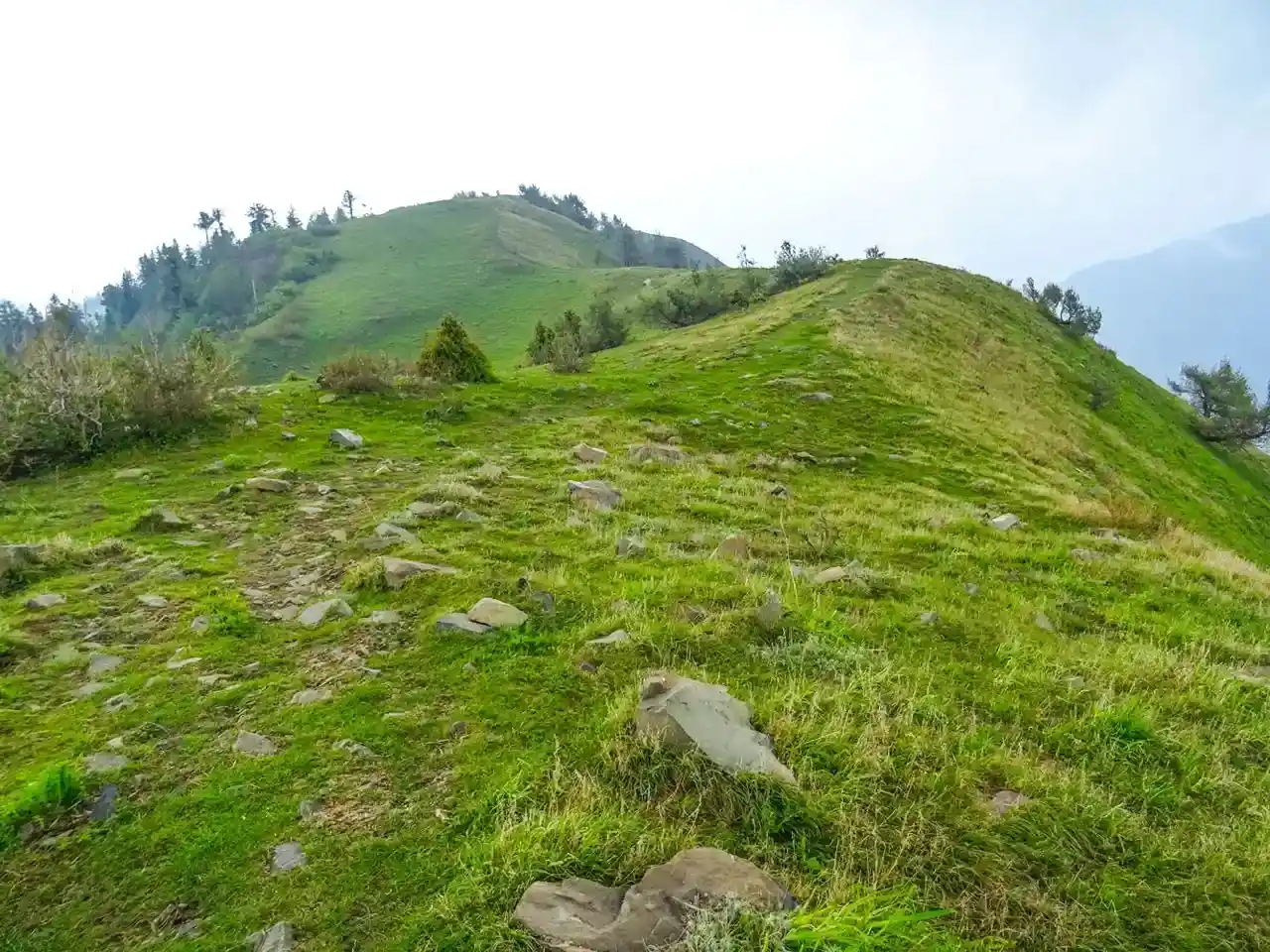
    Miranjani is a popular peak in the Galyat range, just a short drive from Murree. Standing at an elevation of 2,992 meters (9,816 feet), Miranjani is one of the highest peaks in the area, offering breathtaking views of the surrounding hills, valleys, and forests. The trek to Miranjani is an ideal destination for families, as it offers a relatively easy hike, making it accessible to hikers of all levels.

    The beauty of Miranjani lies in its simplicity. The trail is surrounded by dense pine forests, vibrant wildflowers, and stunning views of distant mountains, making it a perfect escape for those who want to connect with nature. Whether you’re looking for a peaceful retreat or a fun family adventure, Miranjani delivers.

    Miranjani top

    There are countless reasons why Miranjani is a must-visit destination for families, nature lovers, and adventure seekers alike. Here’s why:

    Family-Friendly Trek

    Miranjani is one of the best travel destinations for families. Unlike other more challenging hikes, the trek to Miranjani is moderately difficult, making it suitable for children, beginners, and even elderly family members. The well-marked trail provides a safe and enjoyable experience for everyone, from little kids to grandparents.

    As you hike to the summit of Miranjani, you’ll be treated to some of the most spectacular views in the Galyat region. From the top, you can see the rolling hills, dense forests, valleys below, and the snow-capped peaks of the higher mountains in the distance. Whether you’re an avid photographer or simply someone who enjoys beautiful scenery, Miranjani will leave you in awe.

    Miranjani is a peaceful place to escape the busy life of the city. The fresh mountain air, chirping birds, and the rustling of pine trees create a serene atmosphere that helps you relax and unwind. It’s the perfect place to disconnect from the world and reconnect with nature.

    If you’re staying in Murree, Miranjani is just a 30-minute drive away. It makes for a perfect day trip, allowing you to explore the area’s natural beauty without traveling too far.

    Miranjani is a year-round destination. Whether you visit during the cool summer months, enjoy the vibrant autumn foliage, or experience the magical snowfall in winter, each season brings its unique charm to the hike and the views.

    Miranjani-trek

    Getting to Miranjani is easy and convenient. Whether you’re coming from Islamabad, Murree, or other nearby areas, the journey to Miranjani is straightforward. Here’s how you can get there:

    The easiest way to get to Miranjani is by car. From Murree, take the main road towards Nathiagali. The journey takes about 20-30 minutes. You’ll drive through picturesque landscapes, passing by green hills, pine forests, and small villages. Once you reach the starting point of the trek, you can park your car and start the hike.

    The trail to Miranjani begins near the Nathiagali area. The starting point is easy to find, and clear signs indicate the direction of the peak. The hike to the top of Miranjani typically takes around 2 to 3 hours, depending on your pace and the weather.

    Things to Do at Miranjani

    When you reach the summit of Miranjani, there’s plenty to do! Whether hiking, taking photos, or enjoying the views, there’s something for everyone. Here’s a list of activities you can enjoy while visiting Miranjani:

    Hiking the Trail

    The main activity at Miranjani is hiking. The trail is relatively easy to follow, surrounded by lush forests and vibrant flowers. As you ascend, the views only get better, with the forests giving way to clearings that open up to stunning vistas. It’s a perfect opportunity for families to bond, enjoy nature, and get some exercise together.

    Photography

    Miranjani is a photographer’s dream. The towering trees, beautiful wildflowers, and panoramic views provide countless opportunities to capture the beauty of the landscape. Whether you’re taking photos of the landscapes, the family, or the animals, there’s always something worth snapping along the way.

    Picnicking

    Once you reach the summit, take a moment to relax and enjoy a picnic. The views from the top are stunning, making it a perfect place to sit down, share a meal, and enjoy the company of your loved ones. Pack some sandwiches, snacks, and water, and enjoy a peaceful break in nature.

    Wildlife Spotting

    While hiking to Miranjani, keep your eyes peeled for local wildlife. The area is home to various animals, including monkeys, leopards, and several species of birds. You might spot some of these animals along the trail or from the summit if you’re lucky.

    The summit of Miranjani offers one of the best panoramic views in the Galyat range. Spend time soaking in the beauty of the surrounding mountains and valleys. It’s a great spot for family photos, so remember to capture the moment!

    Miranjani trek

    Best Time to Visit Miranjani

    Miranjani can be visited year-round, but the best time to go depends on what kind of experience you’re looking for.

    • Spring (March to May): Spring is one of the best times to visit Miranjani. The weather is cool and pleasant, and the forests are full of blooming wildflowers. The trails are lush and green, making hiking a beautiful time.
    • Summer (June to August): Summer is also a great time to visit Miranjani, especially if you want to escape the heat of the plains. The cool mountain air and shady forests make the hike very enjoyable.
    • Autumn (September to November): Autumn brings vibrant colors to the forest. The trees change color, offering beautiful views along the trail and from the summit.
    • Winter (December to February): For those who love snow, winter at Miranjani can be magical. The trail may be more challenging in winter, but the snow-covered landscape is worth it. Make sure to wear warm clothing and be prepared for cold weather.

    If you plan to stay overnight near Miranjani, there are several great options for accommodation:

    Murree is a short drive from Miranjani and offers a variety of hotels, guesthouses, and resorts. From budget-friendly options to more luxurious stays, you’ll find a place that fits your needs.

    Nathiagali, located close to Miranjani, is another great option for accommodation. The area offers cozy resorts and guesthouses with beautiful views, perfect for a peaceful stay after hiking.

    Camping near Miranjani is a great option for the more adventurous travelers. You can set up your tent in several spots and enjoy the outdoor experience.

    To make your trip to Miranjani even more enjoyable, here are some useful travel tips:

    • Wear Comfortable Shoes: The trail can be rocky, so wear sturdy hiking shoes with a good grip.
    • Bring Water and Snacks: Stay hydrated and bring snacks to keep your energy up during the hike.
    • Dress in Layers: The weather can change quickly, so wear layers you can add or remove as needed.
    • Start Early: It’s a good idea to start your hike early in the morning to avoid the midday sun and to enjoy the cooler temperatures.
    • Respect Nature: Miranjani is a beautiful natural spot, so keep it clean and avoid littering.

    Mushkpuri Top

    A short hike from Miranjani, Mushkpuri Top offers stunning panoramic views of the valleys and hills. Known for its lush forest trails, it’s perfect for nature lovers seeking more adventure.

    Nathiagali

    Just a few minutes away, Nathiagali is a peaceful hill station offering cool temperatures and scenic beauty. It’s a great spot for relaxation, with charming resorts and easy nature walks.

    Ayubia National Park

    This nearby park is a haven for wildlife enthusiasts and adventure seekers. Enjoy forest hikes, wildlife sightings, and the famous Ayubia chairlift for an exciting day out.

    Dunga Gali

    Known for its cool climate and beautiful pine forests, Dunga Gali offers serene hikes and breathtaking views. It’s an excellent place for a peaceful retreat or a nature walk.

    Conclusion: Time to Visit Miranjani!

    Miranjani is a beautiful and family-friendly hiking destination in northern Pakistan that offers something for everyone. Whether you’re looking for a peaceful retreat, an exciting family adventure, or want to enjoy stunning views, Miranjani is a place you won’t want to miss.

  • Murree: The Queen of Hills

    Murree: The Queen of Hills

    In this blog, we’ll explore the allure of Murree, its fascinating history, and the top attractions that make it a favourite destination for travellers year after year. For those planning a trip, don’t forget to check out Murree tour packages for a hassle-free and memorable getaway!

    A Journey Through Murree’s Rich History

    Murree’s origins date back to 1851, when the British established it as a sanatorium for their soldiers. The town’s pleasant climate, lush green hills, and accessibility made it a preferred retreat for the British elite. Victorian-style cottages, churches, and cobblestone streets were built during this time, some of which remain preserved as a testament to its colonial past.

    Over time, Murree became a favorite vacation spot for locals and tourists. Its historic charm and modern amenities have made it an enduring destination that attracts people of all ages and backgrounds.

    Why Murree is Called the Queen of Hills

    Murree’s title as the “Queen of Hills” is no exaggeration. Perched at an elevation of around 2,291 meters (7,516 feet), it boasts a majestic landscape of rolling hills, dense forests, and cool breezes that make every visit feel like stepping into a different world.

    The title also reflects the prestige Murree holds among Pakistan’s hill stations. Its unmatched scenic beauty, accessibility, and long-standing cultural significance make it a jewel of Northern Pakistan’s tourist spots.

    Murree 1 1 Murree

    Natural Beauty That Leaves Visitors Spellbound

    Towering Pine Forests

    Murree’s hills are blanketed in dense forests of pine, cedar, and oak trees. These forests create a cool and serene environment and provide the perfect backdrop for nature walks, photography, and wildlife spotting. Walking amidst these towering trees feels like stepping into a storybook for many.

    The Allure of Changing Seasons

    Murree’s beauty transforms with the seasons, each offering a unique experience:

    • Spring: Flowers bloom across the hills, filling the air with vibrant colors and sweet fragrances. It’s a time of renewal, making it ideal for outdoor activities.
    • Summer: Temperatures remain mild, making it an ideal escape from the heat of the plains. The green hills and clear skies are perfect for family picnics and sightseeing.
    • Autumn: The golden hues of the trees create a magical atmosphere perfect for quiet reflection and long walks. Autumn also offers fewer crowds, making it a peaceful time to visit.
    • Winter: Snow blankets the town, turning it into a wonderland where every corner feels like a postcard. The festive atmosphere during snowfall adds to its charm.

    Breathtaking Views

    Visitors can enjoy sweeping views of valleys, mountains, and distant peaks from almost every vantage point in Murree. Spots like Kashmir Point and Pindi Point are particularly famous for their awe-inspiring vistas, especially during sunrise and sunset. Even on misty days, the ethereal beauty of the surroundings leaves visitors enchanted.

    Murree_

    Top Attractions in Murree

    Mall Road: The Heart of Murree

    No visit to Murree is complete without a stroll down Mall Road. This bustling street is the town’s hub of activity, lined with shops selling handicrafts, local snacks, and souvenirs. The lively atmosphere and the cool mountain air make it a favorite hangout spot for families and couples. Whether you’re shopping, dining, or simply people-watching, Mall Road offers a memorable experience.

    Pindi Point: A Scenic Escape

    Just a short distance from Mall Road, Pindi Point offers breathtaking views of the hills and valleys below. A chairlift ride from Pindi Point to Bansra Gali is a must-try activity, as it gives you a bird’s-eye view of the lush greenery and winding roads. This spot is perfect for photography and provides a refreshing change of pace from the busy town center.

    Kashmir Point: A Peaceful Retreat

    Kashmir Point is a quieter spot than Mall Road, named for its stunning views of the Kashmir mountains. A leisurely walk to this viewpoint is enjoyable, especially for those seeking tranquility and scenic beauty. Visitors often linger here to watch the sunset or breathe fresh mountain air.

    Patriata (New Murree): Adventure Awaits

    Patriata, called New Murree, is about 15 kilometers from the main town. Known for its thrilling chairlift and cable car rides, this area offers spectacular aerial views of dense forests and valleys. Patriata is also an excellent spot for picnics and family outings, with its lush surroundings and adventure options providing something for everyone.

    Ayubia National Park: Nature at Its Best

    A short drive from Murree takes you to Ayubia National Park, a protected area that’s a haven for wildlife enthusiasts. The park is home to various birds, monkeys, and even leopards. The Pipeline Track, a well-maintained walking trail, is a tourist favorite for its easy accessibility and stunning views. It’s an excellent spot for birdwatching, photography, or enjoying nature’s tranquility.

    -Murree

    Unique Experiences That Make Murree Special

    Witnessing Snowfall

    For many visitors, the highlight of a trip to Murree is experiencing snowfall. Watching the town transform into a white wonderland while sipping hot tea by fire is an experience you won’t forget. Snow fights, snowmen, and sledding add to the fun, especially for children.

    Local Cuisine and Street Food

    Murree offers a delightful array of local flavors. Street vendors sell crispy pakoras, steaming cups of Kashmiri chai, and grilled corn on the cob—perfect snacks for a chilly evening stroll. For a hearty meal, try traditional dishes like lamb karahi or chicken barbecue at one of the local restaurants. Many of these eateries also offer outdoor seating with stunning views.

    Interacting with Locals

    The people of Murree are known for their warmth and hospitality. From friendly shopkeepers on Mall Road to guides eager to share stories about the area’s history, the locals add a welcoming charm to the overall experience. Their pride in Murree’s beauty and culture is evident in every interaction.

    Why Murree Remains a Tourist Hotspot

    Proximity to Major Cities

    Murree’s location, just a two-hour drive from Islamabad, makes it an easily accessible destination for weekend trips and quick getaways. The well-maintained road to Murree ensures a smooth journey with plenty of scenic stops. This accessibility has made it a favorite among city dwellers looking for a refreshing change of scenery.

    Family-Friendly Atmosphere

    Murree is perfect for families, offering activities that cater to all age groups. From easy walking trails to amusement parks and cozy accommodations, there’s something for everyone to enjoy. The availability of family-oriented attractions and safe environments makes it a top choice for vacations.

    Affordable Tourism

    Compared to international hill stations, Murree is a budget-friendly destination. Affordable accommodations, reasonably priced food, and low-cost activities make it accessible to many travelers. The mix of luxury resorts and economical guesthouses ensures every budget has an option.

    _Murree

    Practical Tips for Visiting Murree

    1. Avoid Peak Seasons: Murree can get crowded during public holidays and weekends. Plan your trip during weekdays or the off-season for a more peaceful experience.
    2. Pack Smart: The weather in Murree can be unpredictable, so bring layers, waterproof gear, and comfortable walking shoes.
    3. Respect Nature: Help preserve Murree’s beauty by avoiding littering and following environmental guidelines.
    4. Book in Advance: Popular hotels and guesthouses fill up quickly, especially in summer and winter. Reserve your accommodation ahead of time.

    Murree: A Timeless Destination

    Murree isn’t just a destination; it’s an experience that combines natural beauty, cultural richness, and warm hospitality. Whether you’re marveling at the stunning vistas, shopping on Mall Road, or simply soaking in the peaceful ambiance, Murree has a way of leaving a lasting impression.

    This hill station has been a symbol of escape and relaxation for people from all walks of life for generations. It’s a place where time slows down, allowing you to reconnect with nature, family, and yourself.

  • Upper Kachura Lake: A Jewel in Skardu, Northern Pakistan

    Upper Kachura Lake: A Jewel in Skardu, Northern Pakistan

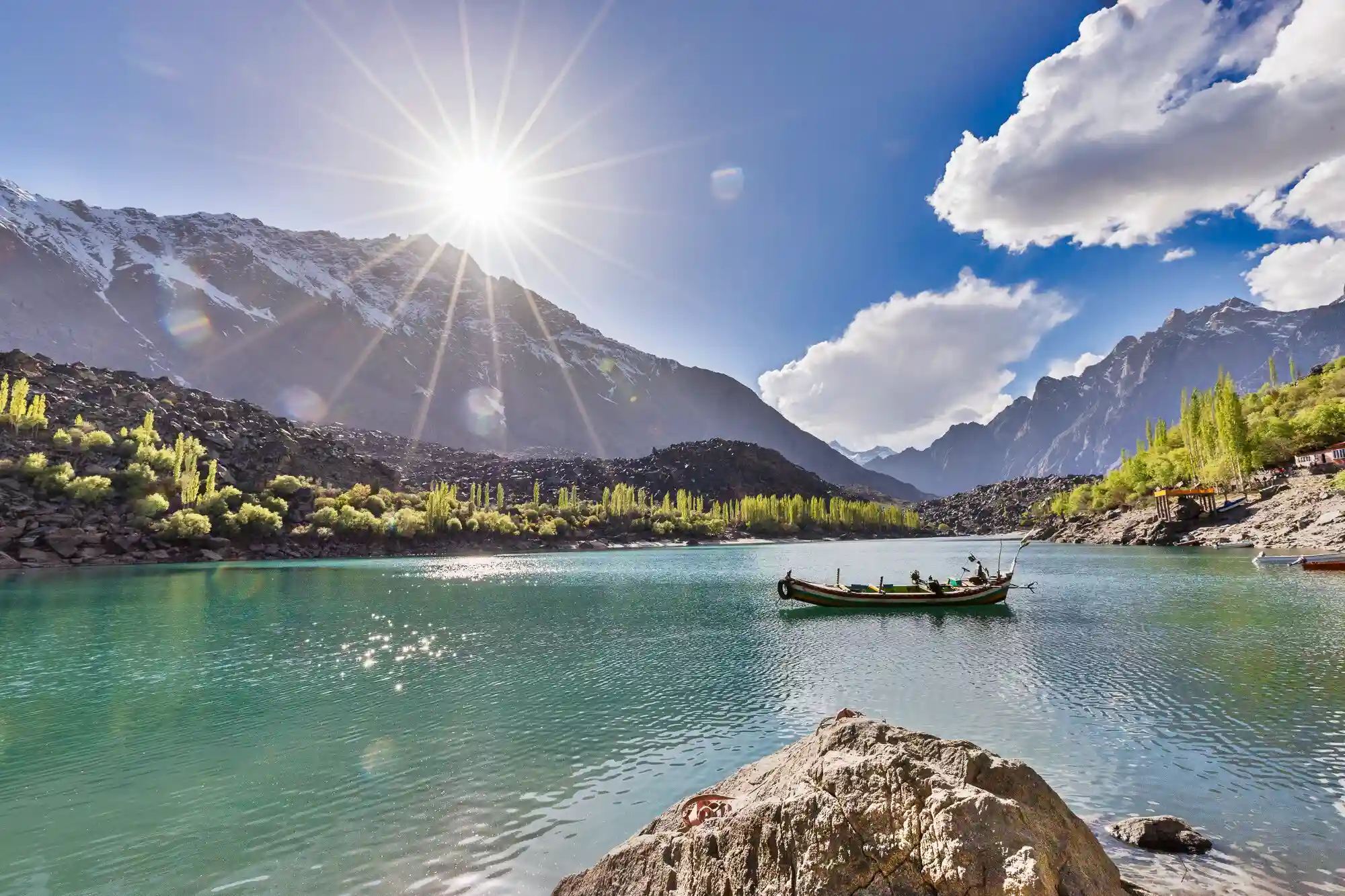
    Whether you’re a nature enthusiast, an adventure seeker, or someone yearning for serenity, Upper Kachura Lake is a destination worth exploring. This blog unravels the lake’s history, charm, and natural allure and explains why it’s become a beloved tourist spot worldwide.

    The History and Legacy of Upper Kachura Lake

    Upper Kachura Lake, like much of Baltistan, holds a quiet yet profound connection to its surroundings. The term “Kachura” originates from the Balti language, reflecting the region’s cultural identity. For centuries, the lake has been a vital resource for local communities, providing fresh water and supporting subsistence fishing.

    Interestingly, this hidden gem remained unknown to the outside world for much of its history. Skardu’s remote location and lack of modern infrastructure kept Upper Kachura Lake off the map for travelers. However, with the recent growth of tourism in Gilgit-Baltistan, the lake has started to gain well-deserved attention, and today, it is regarded as one of Pakistan’s most picturesque destinations.

    upper-kachura-lake

    An Overview of Upper Kachura Lake’s Natural Beauty

    Crystal-Clear Waters

    The lake’s crystal-clear water is one of the first things that strike visitors. At its deepest, the lake reaches about 70 meters (230 feet), and its purity allows you to see underwater flora and rocks, creating a mesmerizing effect. Whether admiring its reflective surface or peering into its depths, the lake’s beauty is unparalleled.

    Surrounded by Towering Peaks

    The lake is nestled amidst rugged, snow-capped mountains that seem to rise endlessly into the sky. These dramatic peaks form a stunning backdrop and offer visitors the perfect setting for photography. As the seasons change, so do the landscape’s hues, ensuring every visit feels like a unique experience.

    Rich Biodiversity

    The area around Upper Kachura Lake is teeming with life. The lush greenery, wildflowers, and fruit-bearing trees, such as apricots in summer, create a vibrant and colorful environment. The lake is also home to various fish species, including trout, making it a popular spot for anglers and nature lovers.

    Why Tourists Flock to Upper Kachura Lake

    Tranquility and Solitude

    Unlike crowded tourist spots, Upper Kachura Lake remains relatively undisturbed. The serenity it offers is hard to find elsewhere, making it a haven for those seeking peace. The calming ambiance, combined with the soothing sounds of nature, provides an unforgettable experience for visitors.

    Adventure Opportunities

    If you’re an adventurous soul, Upper Kachura Lake won’t disappoint. Activities like:

    • Hiking: Trails lead to and from the lake, providing panoramic views of the valley.
    • Boating: Glide across the lake in a rented boat and immerse yourself in the stillness of the waters.
    • Fishing: The lake’s population of trout attracts fishing enthusiasts year-round.

    A Photographer’s Paradise

    The interplay of light, water, and mountains makes this lake a dream for photographers. Whether it’s capturing the sunrise, the golden glow of autumn leaves, or the ethereal beauty of a snowy winter, every shot at Upper Kachura Lake tells a story.

    upper-kachura-lake-skardu

    Seasonal Wonders: The Changing Moods of Upper Kachura Lake

    Summer (May–September)

    During the warmer months, Upper Kachura Lake is at its most accessible. The weather is pleasant, and the surrounding greenery is at its peak. Wildflowers bloom abundantly, and the lake becomes popular for picnics and outdoor activities.

    Autumn (October–November)

    Autumn transforms the area into a canvas of golden hues as the foliage turns shades of amber and orange. The crisp air and peaceful surroundings make this season ideal for reflective walks and photography.

    Winter (December–February)

    In winter, the lake freezes, and snow blankets the entire area, creating a magical and otherworldly atmosphere. While accessibility becomes more challenging during this time, those who visit are rewarded with an unparalleled winter wonderland experience.

    Spring (March–April)

    As the snow melts, spring breathes new life into the landscape. The greenery begins to reemerge, and the lake reflects the vibrant energy of the season, making it an excellent time for nature lovers.

    How to Get to Upper Kachura Lake

    Reaching Skardu

    To visit Upper Kachura Lake, your journey begins in Skardu, which is accessible by:

    1. Flights: Direct flights operate between Islamabad and Skardu, offering a quick and scenic option (weather permitting).
    2. By Road: For those who enjoy road trips, the drive from Islamabad or Gilgit to Skardu is an adventure filled with picturesque views of valleys and rivers.

    From Skardu to Upper Kachura

    The lake is about 30 kilometers (19 miles) from Skardu city. You can hire a jeep or private vehicle to reach the lake. The journey offers many opportunities to stop and marvel at the surrounding landscapes.

    upper kachura lake skardu

    Best Activities Around Upper Kachura Lake

    Nearby Attractions

    • Deosai National Park: Known as the “Land of Giants,” this vast plateau is only a short drive away and is perfect for wildlife spotting and nature walks.
    • Shigar Fort: A beautifully restored heritage site that gives insight into the region’s rich history and architecture.
    • Satpara Lake:Located a short drive from Skardu, Satpara Lake is a stunning body of water surrounded by the dramatic peaks of the Karakoram range. It’s perfect for fishing and photography.
    • Shangrila Lake(Lower Kachura Lake): Home to the famous Shangrila Resort, this lake complements the tranquility of Upper Kachura and is a must-visit.

    Trekking and Exploration

    Numerous hiking trails around Upper Kachura Lake lead to hidden valleys, streams, and meadows. For those who love trekking, the lake is a starting point for exploring the less-trodden paths of Baltistan.

    Cultural Insights and Local Cuisine

    Upper Kachura Lake is not just about nature—it’s also about experiencing the local culture. The nearby villages offer a glimpse into the simple yet rich lives of the Balti people. Their hospitality is legendary, and visitors often leave with fond memories of shared meals and conversations.

    Try traditional Balti dishes, such as Mamtu (steamed dumplings), Apricot Soup, and Balay (a hearty noodle soup). These flavors are unique to the region and are best enjoyed in a local setting.

    Practical Tips for Your Visit

    1. Choose the Right Season: Summer is ideal for outdoor activities, while winter offers a unique snowy charm.
    2. Pack Wisely: The weather can change quickly. Carry warm clothing, sturdy footwear, and essentials like sunscreen and water bottles.
    3. Respect Nature: Keep the area clean and avoid littering to help preserve its beauty for future visitors.
    4. Hire a Local Guide: A guide can enhance your experience by sharing historical and cultural insights.
    5. Stay Hydrated and Energized: Bring snacks and water, especially if you plan on hiking or spending the day outdoors.

    Why Upper Kachura Lake Should Be on Your Bucket List

    Upper Kachura Lake is more than just a tourist spot—it’s a haven for the soul. Its untouched beauty, serenity, and the adventure it offers make it a destination.

  • Lake Saif-ul-Malook: A Fairy-Tale Paradise in Northern Pakistan

    Lake Saif-ul-Malook: A Fairy-Tale Paradise in Northern Pakistan

    If you’re planning a Naran Kaghan tour, this stunning lake should be on your list. From its enchanting myths to the awe-inspiring scenery, every corner of Lake Saif-ul-Malook offers something extraordinary. In this blog, we’ll take you on a journey through its geography, folklore, scenic beauty, and the unforgettable experience it offers visitors.

    Geographic Overview and Accessibility

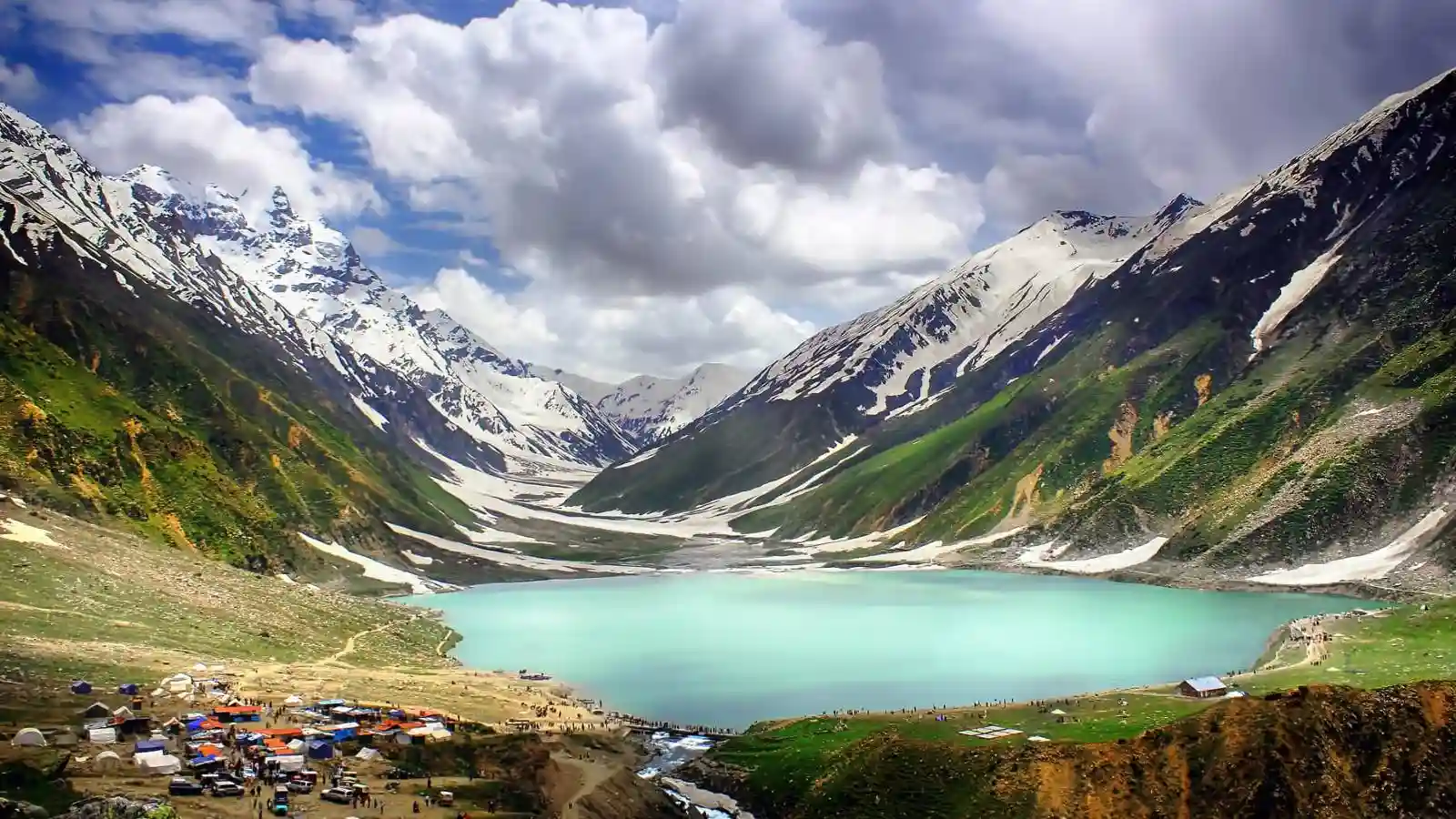
    Lake Saif-ul-Malook is about 8 kilometres from Naran in the Kaghan Valley of Khyber Pakhtunkhwa province. Situated at an altitude of 3,224 meters (10,578 feet) above sea level, the lake is surrounded by towering Himalayan peaks, including the iconic Malika Parbat.

    Getting There:

    • By Jeep: The most common way to reach the lake is hiring a jeep in Naran. The bumpy, adventurous ride through rugged mountain paths is thrilling in itself.
    • On Foot: For trekkers, the hike to the lake offers stunning views of the valley, making the journey as rewarding as the destination.
    • By Horse: Local guides offer horse rides for visitors seeking a unique and traditional experience.

    The History and Folklore of Saif-ul-Malook

    One of the most captivating aspects of Lake Saif-ul-Malook is its connection to folklore. The lake is named after Saif-ul-Malook, a Persian prince whose love story with a fairy named Badi-ul-Jamal forms the basis of a famous Sufi poem by Mian Muhammad Bakhsh.

    The Tale:

    According to legend, Prince Saif-ul-Malook fell in love with the fairy after seeing her in a dream. Determined to win her love, he embarked on a perilous journey to the lake, only to confront a giant that guarded the fairy. His bravery and unwavering love won her heart. Still, their union came with challenges, adding a layer of mysticism to the lake’s charm.

    Even today, many locals believe that the lake is visited by fairies during moonlit nights, adding a spiritual and mystical dimension to its beauty.

    lake-saif-ul-malook

    The Enchanting Natural Beauty of Lake Saif-ul-Malook

    Lake Saif-ul-Malook is a visual masterpiece, with its shimmering turquoise waters framed by rugged peaks and lush meadows. The lake changes its appearance throughout the day, offering a dynamic and captivating experience.

    • Sunrise Magic: Early mornings often bring a tranquil atmosphere with mist hovering over the lake’s surface, creating a mystical aura.
    • Afternoon Radiance: As the sun climbs higher, the lake’s waters sparkle like a precious gem, reflecting the surrounding peaks in vivid detail.
    • Nighttime Mystique: The starlit sky adds a surreal quality to the surroundings if you’re lucky enough to camp by the lake.

    Seasonal Beauty:

    • In summer, the area bursts with greenery, colourful wildflowers, and vibrant energy as tourists flock to the lake.
    • In winter, the lake freezes, transforming into a glistening white wonderland surrounded by snow-laden peaks.

    Wildlife and Biodiversity

    Lake Saif-ul-Malook is not just a visual feast—it’s also a haven for wildlife. The area around the lake is home to several species of birds, insects, and small mammals, making it an excellent spot for wildlife enthusiasts.

    Flora and Fauna Highlights:

    • Golden Marmots: These playful creatures are often spotted scurrying along the meadows.
    • Migratory Birds: The lake attracts various bird species during migration seasons.
    • Alpine Flowers: In summer, the meadows surrounding the lake bloom with rare alpine flowers, adding splashes of colour to the landscape.

    Activities and Adventures for Tourists

    Lake Saif-ul-Malook offers a range of activities that cater to different interests and energy levels:

    • Boating: Glide across the lake’s serene waters and soak in its beauty from a unique perspective.
    • Hiking: Explore nearby trails, including routes to Ansoo Lake, another popular destination.
    • Photography: Capture stunning images of the lake, its reflections, and the surrounding landscapes.
    • Camping: Spend a night under the stars for an unforgettable experience, with local guides available to assist.

    The Mystical Connection: Spiritual and Cultural Importance

    For locals and spiritual seekers, Lake Saif-ul-Malook is more than just a tourist spot. The lake is a place of inspiration and reflection, often associated with Sufi mysticism. The legendary tale of Saif-ul-Malook and Badi-ul-Jamal is a recurring theme in local poetry, music, and storytelling traditions.

    lake saif-ul-malook

    The Role of the Lake in Eco-Tourism

    Lake Saif-ul-Malook has become a key destination for eco-tourism in Pakistan. Efforts are underway to promote sustainable tourism practices that protect the lake’s pristine environment. Visitors are encouraged to:

    • Avoid littering.
    • Respect wildlife.
    • Use eco-friendly camping equipment.

    Essential Travel Tips for First-Time Visitors

    • Check Weather Conditions: The weather can change rapidly, so it’s best to check forecasts before your trip.
    • Wear Proper Footwear: Sturdy shoes are a must whether you’re trekking or exploring the lake’s surroundings.
    • Carry Snacks and Water: While there are food stalls near the lake, bringing your provisions ensures you’re prepared.
    • Hire a Guide: Local guides ensure your safety and enrich your visit with stories and insights.
    • Respect Local Customs: Be mindful of the local culture and traditions to foster a positive experience for everyone.

    Best Time to Visit Lake Saif-ul-Malook

    The lake is best visited during the summer months, from May to September, when the snow has melted and the area is accessible. Spring and autumn also offer delightful experiences, with fewer crowds and stunning natural hues.

    Challenges of Visiting Lake Saif-ul-Malook

    While the lake’s beauty is undeniable, visitors should be prepared for certain challenges:

    • Altitude Sickness: Some visitors may experience mild altitude sickness due to its high elevation.
    • Road Conditions: The journey to the lake involves rugged and uneven paths, which might be challenging for some.
    • Limited Facilities: While basic amenities are available, the area still needs to be developed to preserve its natural charm.

    How Lake Saif-ul-Malook Inspires Artists and Poets

    The lake has been a muse for countless artists, poets, and photographers. Its mystical story and ethereal beauty have been immortalized in poems, songs, and paintings, showcasing its role as a cultural icon.

    Saiful Muluk lake

    Nearby Attractions for Travelers

    While Lake Saif-ul-Malook is the crown jewel, several nearby attractions complement your visit:

    • Shogran and SiriPaye: Are breathtaking hilltop getaways in Kaghan Valley, where lush green meadows meet sweeping mountain views, creating a peaceful retreat that feels like a slice of paradise.
    • Naran Town: A bustling hub with markets, hotels, and local delicacies.
    • Ansoo Lake: A tear-shaped alpine lake accessible via a challenging trek from Saif-ul-Malook.
    • Lulusar Lake: Another stunning lake on the way to Babusar Pass.

    Contribution to Local Economy

    Tourism around Lake Saif-ul-Malook provides a significant source of income for local communities. Jeep drivers, guides, food vendors, and artisans benefit directly from the influx of visitors, making tourism a lifeline for the region.

    Capturing the Essence: What Makes Saif-ul-Malook Unique?

    The combination of untouched beauty, legendary tales, and cultural richness makes Lake Saif-ul-Malook stand out among tourist destinations in Pakistan. Each visit offers something new—a moment of peace, a burst of inspiration, or simply awe at nature’s grandeur.

    Conclusion

    Lake Saif-ul-Malook is a destination that resonates deeply with all who visit. It’s a place where nature, culture, and legend blend seamlessly to create an unforgettable experience. Whether you’re an adventurer, a dreamer, or someone seeking solace, this fairy-tale paradise promises memories that will last a lifetime.

  • Shangrila Lake: A Paradise in Northern Pakistan Worth Exploring

    Shangrila Lake: A Paradise in Northern Pakistan Worth Exploring

    This blog will guide you through the fascinating history, charm, beauty, and attractions of Shangrila Lake, step by step, making it your ultimate travel guide to this captivating destination.

    The Origins of Shangrila Lake

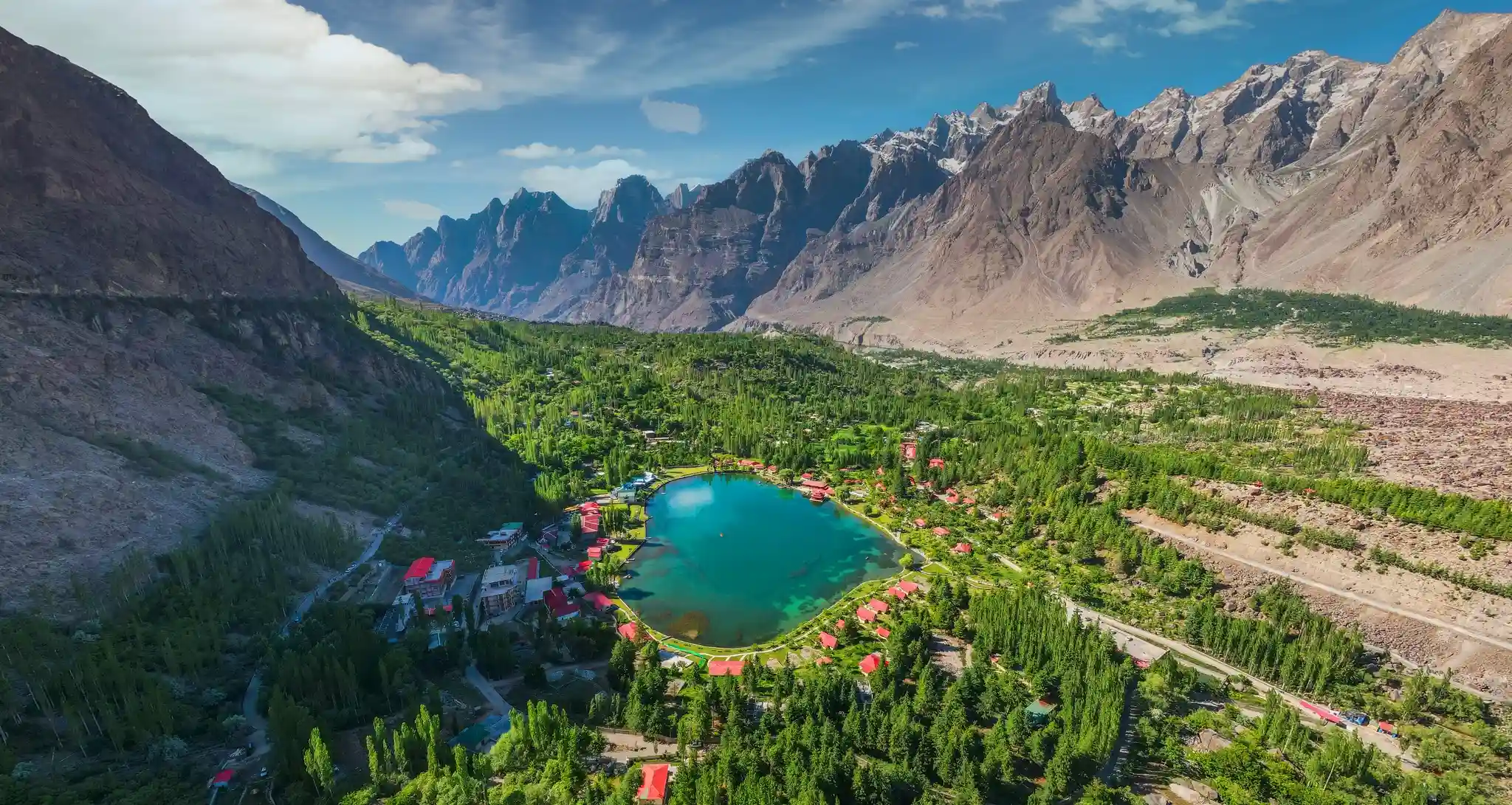
    Shangrila Lake earned its name from the famous novel Lost Horizon by James Hilton, which describes a mystical and peaceful valley named Shangri-La. Inspired by this story, Brigadier Muhammad Aslam Khan, a retired officer of the Pakistan Army, established the Shangrila Resort in 1983 on the shores of Lower Kachura Lake.

    The idea was to create a retreat that blended luxury with the pristine beauty of nature. Today, the resort and the lake attract thousands of tourists annually, offering an unparalleled experience combining serenity, adventure, and cultural richness.

    A First Impression: What Makes Shangrila Lake Special

    1. Serenity and Peacefulness

    You’re greeted by an overwhelming sense of calm when you step into the Shangrila Lake area. The gentle ripples of the lake and birds chirping create a soothing ambiance.

    2. Natural Beauty

    Shangrila Lake’s surroundings are a visual feast. Lush green meadows, vibrant flower beds, and majestic snow-capped mountains surround the lake. The changing colors of the water throughout the day—ranging from deep blue to shimmering turquoise—add to its charm.

    3. A Perfect Blend of Nature and Modern Comfort

    While the lake is a pristine natural wonder, the nearby Shangrila Resort provides all the comforts a modern traveler could request. This combination of untouched beauty and luxury sets Shangrila Lake apart from other tourist spots in Pakistan.

    Shangrila lake skardu

    How to Reach Shangrila Lake

    Shangrila Lake is about 20 kilometers from Skardu City and can easily be accessed via a scenic road trip. Here’s how you can get there:

    1. From Islamabad to Skardu:

    • By Air: A one-hour flight from Islamabad to Skardu is the quickest option. The flight offers stunning views of the Karakoram range, including glimpses of K2.
    • By Road: If you’re up for an adventure, take the Karakoram Highway (KKH) for an 18–20 hour drive from Islamabad to Skardu. This journey is long but incredibly scenic.

    From Skardu to Shangrila Lake:

    1. A 20-minute drive from Skardu City will take you to Shangrila Lake. Taxis and private vehicles are readily available for this short journey.

    The Shangrila Resort Experience

    The Shangrila Resort, located on the banks of the lake, is one of the highlights of visiting Shangrila Lake. Known as “Heaven on Earth,” the resort is a popular destination for domestic and international tourists.

    1. Iconic Airplane Restaurant

    One of the most unique attractions of the Shangrila Resort is its airplane-shaped restaurant. This retired DC-3 aircraft, part of the Pakistan International Airlines (PIA) fleet, was converted into a dining space. Tourists enjoy delicious local and international cuisine while soaking in the panoramic views of the lake and mountains.

    2. Comfortable Accommodations

    The resort offers charming cottages and treehouse-style accommodations that blend seamlessly with the natural surroundings. These cozy lodgings are perfect for families, couples, and solo travelers seeking a peaceful retreat.

    3. Activities Within the Resort

    The resort also organizes activities such as:

    • Bonfires
    • Traditional music performances
    • Nature walks
    • Guided tours to nearby attractions

    The Enchanting Beauty of Shangrila Lake

    1. Mirror-Like Reflections

    The calm waters of Shangrila Lake act as a giant mirror, reflecting the surrounding trees, meadows, and towering mountains. This makes the lake a paradise for photographers and nature lovers alike.

    2. Seasonal Charm

    Each season brings a unique charm to Shangrila Lake:

    • Spring: The lake is surrounded by blooming flowers and fresh greenery.
    • Summer: Pleasant temperatures and vibrant landscapes make this the most popular season for visitors.
    • Autumn: The golden hues of autumn leaves create a warm and magical ambiance.
    • Winter: The lake often freezes, and the snow-covered surroundings transform it into a winter wonderland.
    Shangrila lake

    Activities and Attractions Around Shangrila Lake

    1. Boating on Shangrila Lake

    Visitors can enjoy peaceful boat rides on the lake. The serene environment and the gentle sound of oars cutting through the water create a relaxing experience.

    2. Nature Walks and Picnics

    The area around Shangrila Lake is ideal for leisurely walks and picnics. You can explore the lush meadows, sit by the lake, and enjoy the fresh mountain air.

    3. Explore Upper Kachura Lake

    Just a short distance from Shangrila Lake lies Upper Kachura Lake, a larger and more secluded body of water. Known for its deep blue waters and rugged surroundings, it’s a great spot for adventure seekers and those seeking solitude.

    4. Day Trips to Deosai National Park

    Shangrila Lake is a convenient base for exploring nearby attractions like Deosai National Park, which is known for its unique wildlife and vast plateau.

    5. Fishing

    For those interested in fishing, Shangrila Lake offers opportunities to catch trout, a popular activity among locals and tourists.

    Whether you’re a professional photographer or an amateur with a smartphone, Shangrila Lake offers countless opportunities to capture breathtaking shots.

    Cultural and Local Significance

    Shangrila Lake is not just a natural wonder; it’s also an important part of the local culture. The region of Skardu is home to warm and hospitable communities that welcome visitors with open arms.

    • Local Festivals: If you visit during the right time of year, you may witness traditional festivals the locals celebrate, showcasing their rich culture and heritage.
    • Cuisine: Avoid local delicacies like apricot-based dishes, yak meat, and freshly baked bread.

    Best Time to Visit Shangrila Lake

    While Shangrila Lake is beautiful year-round, the best time to visit is spring and summer (May to September). The weather is pleasant, the roads are accessible, and the natural beauty is at its peak.

    If you’re an adventure enthusiast or want to experience the magical snow-covered landscape, winter (December to February) offers a completely different yet equally enchanting experience.

    Nearby Attractions

    Upper Kachura Lake

    A short distance from Shangrila Lake, Upper Kachura Lake is known for its deep blue waters and rugged, serene surroundings. It’s a perfect spot for adventure seekers and those looking to escape the crowds.

    Deosai National Park

    Located about 30 km from Shangrila Lake, Deosai National Park is a vast plateau known for its unique wildlife and scenic beauty. It’s one of the highest national parks in the world and offers excellent hiking opportunities.

    Skardu Fort (Kharpocho Fort)

    Overlooking Skardu, this ancient fort offers panoramic views of the valley. It’s a perfect spot for history enthusiasts and photographers alike.

    Shigar Fort

    A historical fort turned hotel, Shigar Fort is a blend of ancient architecture and modern luxury. The fort offers a glimpse into the region’s rich history and culture.

    Satpara Lake

    Located a short drive from Skardu, Satpara Lake is a stunning body of water surrounded by the dramatic peaks of the Karakoram range. It’s perfect for fishing and photography.

    Shangrila-lake

    Travel Tips for Visitors

    1. Stay Hydrated: The altitude can cause mild dehydration, so drink plenty of water.
    2. Carry Warm Clothing: Even in summer, the evenings can get chilly.
    3. Respect the Environment: Avoid littering and follow eco-friendly practices to preserve the lake’s natural beauty.
    4. Book Accommodations Early: The Shangrila Resort is highly sought after, especially during peak tourist season.
    5. Hire a Local Guide: For a richer experience, hire a guide who can provide insights into the area’s history and culture.

    Why Shangrila Lake Captures Every Traveler’s Heart

    Shangrila Lake is more than just a destination; it’s an experience. From its tranquil waters to its luxurious resort, the lake offers a perfect escape for anyone looking to rejuvenate their soul. It’s a place where you can sit back, breathe in the crisp mountain air, and let the beauty of nature wash over you.

    Conclusion: Why You Should Visit Shangrila Lake

    Shangrila Lake stands out as one of Pakistan’s most iconic tourist destinations. Its stunning landscapes, serene ambiance, and rich cultural heritage make it a must-visit for anyone traveling to the northern regions of Pakistan.

  • Rush Lake Trek: Alpine Beauty of Nagar Valley, Pakistan

    Rush Lake Trek: Alpine Beauty of Nagar Valley, Pakistan

    This blog explores the Rush Lake trek, its historical and natural significance, and why it is a must-visit for anyone seeking adventure and tranquility in Northern Pakistan.

    The Beauty of Nagar Valley: A Gateway to Rush Lake

    Once a princely state, Nagar Valley is a serene and culturally rich region in Gilgit-Baltistan. It is located near the famous Hunza Valley, with the Hunza River separating the two. This valley is less commercialized than its counterpart, making it an untouched gem for nature lovers.

    The valley serves as the gateway to the Rush Lake trek. Along the journey, trekkers are treated to awe-inspiring views of majestic peaks like Rakaposhi (7,788 m), Ultar Sar (7,388 m), and Diran (7,266 m). The region’s vibrant culture, warm hospitality, and lush meadows set the perfect stage for an unforgettable adventure.

    The Origins and Significance of Rush Lake

    Rush Lake is named from the local term “Rush Pari,” which means “angel’s lake,” reflecting the area’s ethereal beauty. Historically, the lake was less known to outsiders until trekking and mountaineering gained popularity in the region. Over the years, it has become a sought-after destination for trekkers due to its challenging terrain and stunning panoramic views.

    The lake is part of the Karakoram mountain range and lies near Rush Peak, a non-technical climbing summit that offers breathtaking 360-degree views of some of the world’s highest peaks, including K2, Broad Peak, and Gasherbrum IV on a clear day.

    rush-lake-trek

    Why Is Rush Lake Famous Among Tourists?

    1. Alpine Beauty at Its Best

    Rugged mountains, lush alpine meadows, and glacial landscapes surround Rush Lake’s tranquil waters. Its remote location and pristine beauty make it a magnet for nature enthusiasts and photographers.

    2. Adventure of a Lifetime

    The trek to Rush Lake is challenging, involving steep ascents, glacier crossings, and long stretches of rugged terrain. This adventure draws seasoned trekkers and thrill-seekers from across the globe.

    3. Panoramic Mountain Views

    The lake offers unobstructed views of towering peaks, including Spantik (Golden Peak), Malubiting, and Miar Peak. For many, the Rush Peak view is the journey’s highlight.

    4. Cultural Experience

    The villages and communities in Nagar Valley are rich in culture and history. Trekkers often interact with locals, gaining insights into traditional lifestyles, languages, and cuisines.

    The Rush Lake Trek: An Adventure to Remember

    The trek to Rush Lake is not for the faint-hearted. It requires stamina, preparation, and a sense of adventure. Here’s a breakdown of what to expect on this remarkable journey:

    Starting Point: Hoper Valley

    The trek begins in the Hoper Valley, a picturesque region known for its Hoper Glacier. This village is about 10 kilometers from Nagar Khas, the main town of Nagar Valley.

    Attractions in Hoper:

    • Views of Hoper Glacier and Barpu Glacier.
    • Traditional stone houses and terraced fields.

    Trekkers typically stay overnight in Hoper to acclimatize and prepare for the trek.

    Day 1: Hoper to Barpu Giram

    • Duration: 5-6 hours
    • Terrain: A mix of steep ascents and glacier crossings.

    The first stretch involves crossing the Hoper Glacier, a thrilling experience that requires careful navigation. The journey then leads to Barpu Giram, a beautiful campsite surrounded by meadows and rocky terrain.

    Day 2: Barpu Giram to Rush Lake

    • Duration: 7-8 hours
    • Terrain: Steep and rugged, with gradual altitude gain.

    The second day is the most challenging part of the trek, with steep ascents leading to Rush Lake. Trekkers pass through lush pastures and gain altitude rapidly. The sight of Rush Lake after hours of effort is immensely rewarding.

    Day 3: Visit Rush Peak (Optional)

    • Duration: 2-3 hours (one way)
    • A climb to Rush Peak is highly recommended for those who wish to extend their adventure. This non-technical ascent offers unparalleled views of K2 and other peaks in the Karakoram range.

    rush lake glacier view

    Day 4: Return Journey

    • Retrace your steps to Hoper Valley, enjoying the scenic views and reflecting on the journey.

    The Rush Lake Experience

    Upon reaching Rush Lake, trekkers are greeted by:

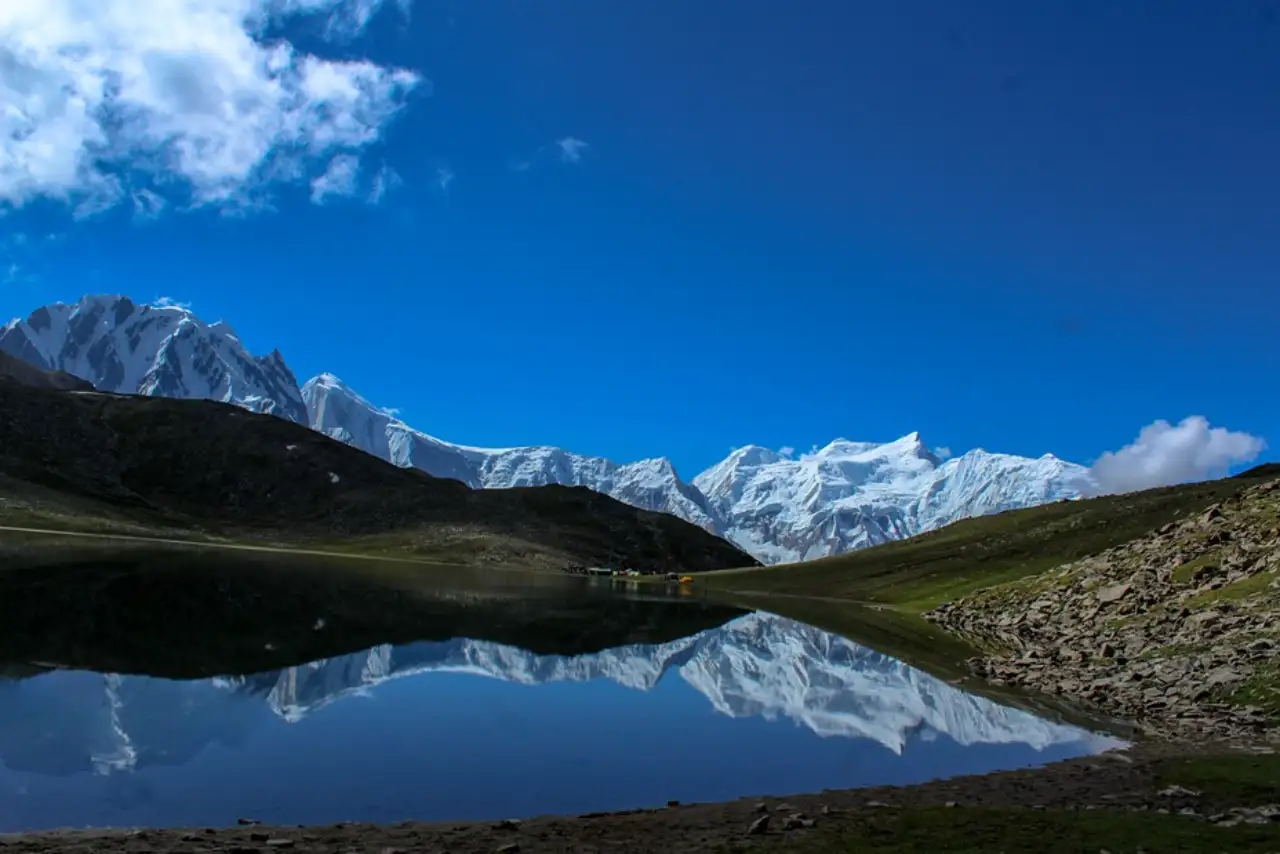
    • The lake’s calm, reflective surface is often compared to a mirror.
    • Vibrant wildflowers and pastures surround the lake.
    • Quiet solitude, far from civilization.

    Camping by the lake under a star-filled sky highlights the trip, offering a sense of peace and connection with nature.

    Flora, Fauna, and Natural Wonders Along the Trek

    The Rush Lake trek is not just about reaching the lake—it’s also about the incredible natural beauty encountered along the way:

    • Flora: Wildflowers, juniper trees, and alpine vegetation dominate the landscape.
    • Fauna: The area is home to Himalayan ibex, snow leopards (rarely seen), marmots, and various birds.
    • Glaciers: The trek passes near the Hoper Glacier and Barpu Glacier, providing stunning views of these icy wonders.

    Tips for Trekkers: Preparing for Rush Lake

    1. Physical Fitness

    The trek is challenging and requires good physical fitness. Prepare with cardio and strength training several weeks in advance.

    2. Proper Gear

    • Sturdy trekking boots.
    • Warm clothing for high-altitude conditions.
    • Sleeping bags and tents if not arranged by a guide.

    3. Hire a Guide

    While experienced trekkers can navigate independently, hiring a local guide ensures a safer and more enriching experience.

    4. Stay Hydrated and Acclimatized

    Carry enough water and give your body time to adjust to high altitudes to prevent altitude sickness.

    5. Respect Nature

    Do not litter or harm the environment. Carry all waste back with you to keep the area pristine.

    Rush-lake-trek nagar

    Best Time to Trek to Rush Lake

    The ideal time to visit Rush Lake is during summer (June to September) when the weather is mild and the trails are accessible. During these months, the meadows are lush, and the skies are clear for stunning views of the mountains.

    In winter, the lake and trails are covered in snow, making the trek nearly impossible without specialized gear and expertise.

    Rush Lake: A Treasure for Tourists

    Rush Lake is more than just a trekking destination—it’s a journey of discovery. Here’s why it holds a special place in the hearts of tourists:

    • Adventure: The thrill of crossing glaciers and scaling heights.
    • Solitude: A chance to disconnect from the modern world and reconnect with nature.
    • Cultural Insights: Interactions with the warm and hospitable people of Nagar Valley.

    Conclusion: Why Rush Lake Should Be on Your Bucket List

    The trek to Rush Lake in Nagar Valley is an unparalleled adventure that combines physical challenge with the reward of discovering one of the most stunning alpine lakes in the world. Whether it’s the captivating views, the thrilling trek, or the chance to immerse yourself in nature, Rush Lake offers an experience that lingers in your heart long after you leave.

  • Dudipatsar Lake: A Hidden Paradise in Northern Pakistan

    Dudipatsar Lake: A Hidden Paradise in Northern Pakistan

    If you’re planning a trip to this enchanting destination, check out the best Naran Kaghan tour packages to make your journey even more memorable!

    Dudipatsar Lake is in the Lulusar-Dudipatsar National Park in the Kaghan Valley of Khyber Pakhtunkhwa province, Pakistan. Nestled at approximately 3,800 meters (12,467 feet) above sea level, this alpine lake is surrounded by lush meadows and snow-capped peaks.

    The lake is a remote paradise, accessible via a challenging trek that begins at Besal, a small settlement near Naran. The journey is long but rewarding, with every step offering stunning views of the valley and its diverse landscapes.

    The name Dudipatsar comes from the local language:

    • “Dudi” means white, symbolizing the snow-covered peaks surrounding the lake.
    • “Pat” refers to a highland or meadow.
    • “Sar” means lake.

    Together, Dudipatsar translates to the “Lake of White Meadows,” aptly describing its heavenly appearance.

    dudipatsar-lake

    Reaching Dudipatsar Lake is a challenging feat, which only adds to its allure. The trek starts from Besal, located about 45 kilometres from Naran. From Besal, adventurers embark on a 16-kilometre hike that takes 5-7 hours, depending on pace and fitness level.

    Highlights of the Trek:

    • Panoramic Views: The trail offers captivating views of the Kaghan Valley, with lush meadows, sparkling streams, and dense alpine forests.
    • Wildlife Encounters: Trekkers may spot marmots, Himalayan ibex, and various bird species.
    • Remote Villages: Passing through remote settlements allows visitors to experience the simple, traditional lifestyle of the local communities.

    While the trek is moderately difficult, the natural beauty and sense of adventure make it an unforgettable experience.

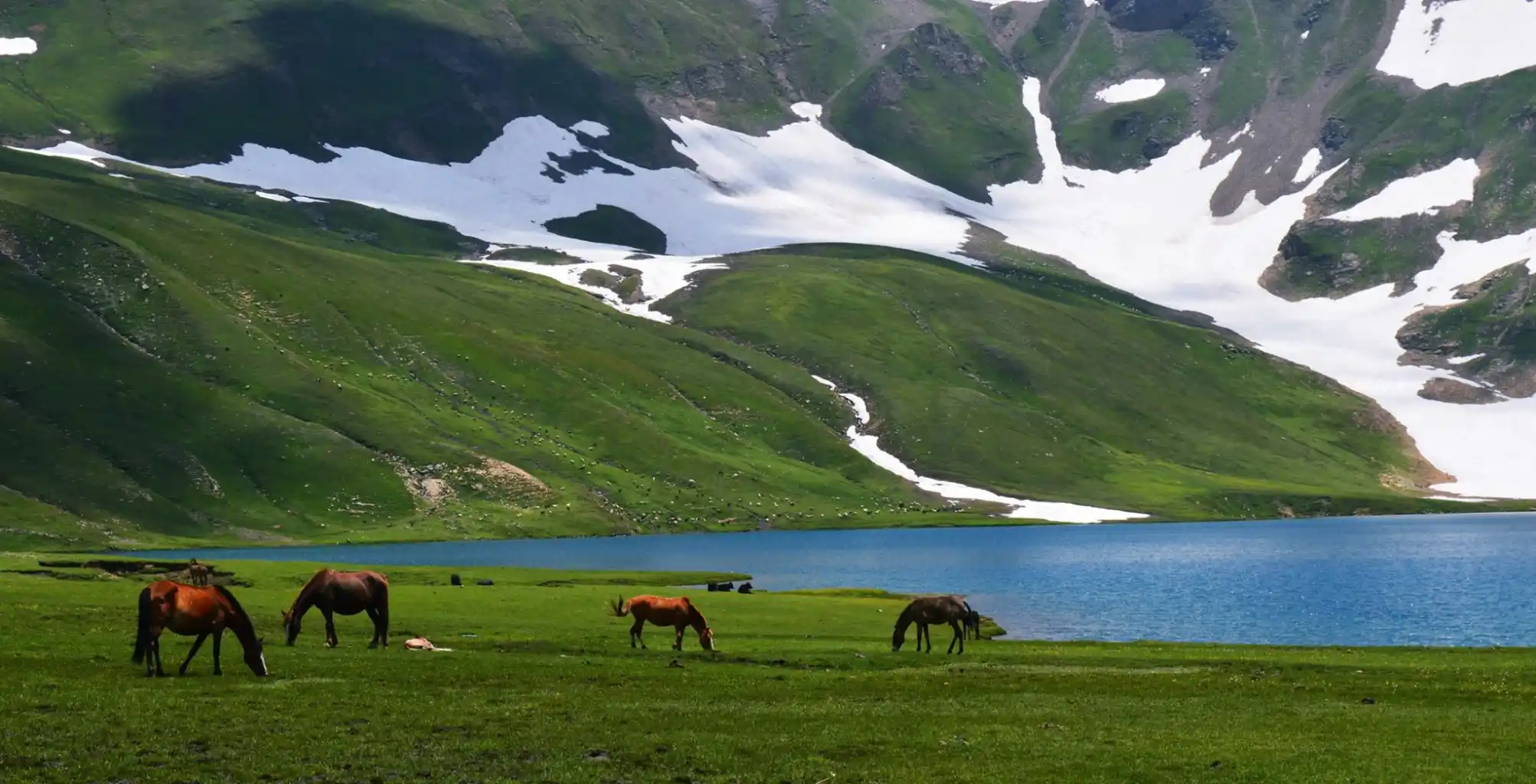
    Dudipatsar Lake is the epitome of tranquillity and natural splendour. The lake’s water is a surreal shade of turquoise, reflecting the towering snow-covered peaks encircle it. During summer, the surrounding meadows come alive with vibrant wildflowers, adding colour to the stunning landscape.

    One of the most captivating aspects of Dudipatsar Lake is its untouched, pristine environment. Unlike other tourist spots that are often overcrowded, Dudipatsar retains its raw, unspoiled beauty, giving visitors a rare opportunity to connect deeply with nature.

    • In summer (June to September), the lake is accessible, and the meadows are lush and green.
    • In winter, heavy snowfall covers the region, and the lake freezes, creating a stark yet enchanting landscape.

    Though Dudipatsar Lake doesn’t have a widely known historical or mythical narrative like Lake Saif-ul-Malook, its remoteness and serenity give it an almost mystical aura. Locals believe that the lake is a divine gift and regard it as a sacred site.

    Many visitors describe feeling a profound sense of peace and awe while standing by its shores, as though the lake carries a silent wisdom that connects them to something greater than themselves.

    dudipatsar_lake

    Dudipatsar Lake is famous for its:

    1. Pristine Beauty: Its clear, untouched waters and surrounding scenery make it one of the most beautiful lakes in the world.
    2. Adventure Appeal: The challenging trek to the lake attracts adventure enthusiasts and seasoned trekkers.
    3. Wildlife and Ecology: As part of the Lulusar-Dudipatsar National Park, the lake supports a rich ecosystem, making it ideal for eco-tourism.
    4. Seclusion: The lake’s remote location ensures a peaceful experience, free from the noise and pollution of city life.
    5. Activities to Enjoy at Dudipatsar Lake

    Visitors can enjoy a variety of activities, such as:

    • Trekking and Hiking: The journey to Dudipatsar is an adventure, offering plenty of opportunities for exploration.
    • Photography: The lake’s picturesque views make it a photographer’s dream. The reflections on the water, blooming flowers, and dramatic mountains offer endless inspiration.
    • Camping: Camping by the lake under a star-studded sky is a magical experience. Visitors often describe it as the highlight of their trip.
    • Wildlife Observation: Bird watchers and enthusiasts can spot various species in the surrounding national park.

    Dudipatsar Lake is part of the Lulusar-Dudipatsar National Park, which spans 880 square kilometres and plays a critical role in preserving the area’s natural beauty and wildlife.

    Flora and Fauna:

    • Animals: Himalayan brown bears, snow leopards, marmots, and ibexes inhabit the region.
    • Birds: The park is home to several migratory and native bird species, making it an ornithologist’s paradise.
    • Plant Life: Rare alpine flowers and medicinal herbs thrive in the park, adding to its ecological significance.

    The best time to visit Dudipatsar Lake is from June to early September when the snow has melted, and the trekking routes are open. During this period, the weather is pleasant, and the meadows around the lake are in full bloom.

    Travelers are advised to check weather conditions before planning their trip, as unexpected rain or snow can affect accessibility.

    dudipatsar Lake
    1. Travel Tips for Visiting Dudipatsar Lake
    2. Prepare for the Trek: Ensure you’re in good physical condition and carry essentials like water, snacks, and a first-aid kit.
    3. Wear Appropriate Gear: Sturdy hiking boots and weather-appropriate clothing are a must.
    4. Travel Light: Only pack the essentials to make the trek manageable.
    5. Hire a Guide: Local guides can help navigate the trails and provide valuable insights about the area.
    6. Respect Nature: Avoid littering and leave the area as pristine as possible.

    While both lakes are jewels of the Kaghan Valley, they offer different experiences:

    • Dudipatsar Lake: Known for its seclusion, challenging trek, and untouched beauty.
    • Saif-ul-Malook: Famous for its folklore, easier accessibility, and vibrant tourist atmosphere.

    Each lake has its unique charm, making them both must-visit destinations.

    Tourism has brought attention to Dudipatsar Lake, boosting the local economy and providing livelihoods for nearby communities. However, responsible tourism practices are crucial to maintaining the lake’s natural beauty.

    Efforts are being made to promote eco-tourism, including waste management initiatives and educating visitors about the importance of conservation.

    • Accessibility: The trek to Dudipatsar is challenging and not suitable for everyone.
    • Limited Facilities: The remote location means no hotels or restaurants near the lake.
    • Weather Dependency: Heavy rains or unexpected snow can make the trek difficult.

    The lake’s remote location, untouched natural beauty, and serene ambience set it apart from other tourist destinations in Pakistan. It’s a place where visitors can truly disconnect from the chaos of daily life and immerse themselves in the wonders of nature.

    For those seeking adventure, peace, and breathtaking views, Dudipatsar Lake is a must-visit destination. It offers an unparalleled experience, blending the thrill of exploration with the tranquillity of nature.

    Dudipatsar Lake is a hidden treasure in Northern Pakistan, allowing visitors to witness nature at its finest. From its shimmering waters to the surrounding snow-capped peaks, every aspect of this lake exudes beauty and serenity. Whether you’re a seasoned trekker, a photography enthusiast, or simply someone who appreciates the splendour of the natural world, Dudipatsar Lake promises an experience you’ll cherish forever.

  • Attabad Lake: From Tragedy to Treasure in the Heart of Hunza

    Attabad Lake: From Tragedy to Treasure in the Heart of Hunza

    The Origins of Attabad Lake: A Disaster Turned Miracle

    The creation of Attabad Lake was as dramatic as its present-day allure. On January 4, 2010, a massive landslide devastated the village of Attabad, blocking the Hunza River’s flow. The landslide submerged villages, displaced hundreds of families, and severed the region’s primary road connection via the Karakoram Highway.

    What initially appeared as a devastating event gradually transformed into an awe-inspiring lake stretching over 21 kilometres in length and over 100 meters deep. While the disaster brought immeasurable hardship, the lake it created soon became a source of life and hope for the region.

    Today, Attabad Lake is not only a symbol of the resilience of the Hunza Valley’s people but also one of Pakistan’s most iconic tourist attractions.

    Why Attabad Lake Stands Out

    A Visual Feast Like No Other

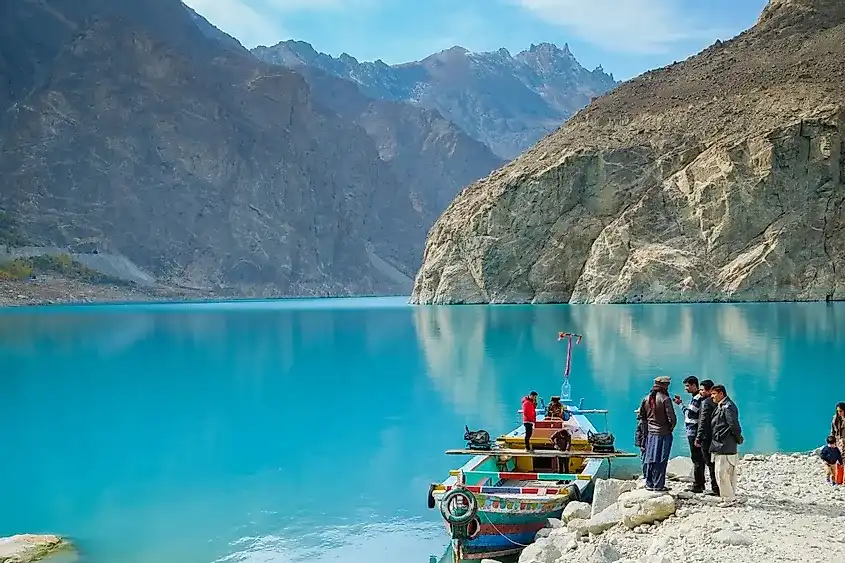
    Attabad Lake is a masterpiece of colours and contrasts. Its shimmering turquoise waters are set against the backdrop of towering, rugged peaks of the Karakoram Range. The lake’s mineral-rich water gives it its distinctive hue, which seems to shift in intensity under the changing light of the day.

    For visitors, the first glimpse of Attabad Lake is unforgettable. Whether it’s the calm mornings, the water mirrors the surrounding mountains, or the fiery hues of sunset reflected on its surface; the lake offers an ever-changing palette that photographers and nature lovers adore.

    Attabad Lake

    Adventure on the Water and Beyond

    Attabad Lake isn’t just a place to sit back and admire—it invites visitors to dive into adventure.

    • Boating: Glide across the tranquil waters in colourful wooden boats, an activity loved by families and solo travellers. The silence of the mountains, combined with the gentle lapping of water, creates a deeply meditative experience.
    • Jet Skiing: For thrill-seekers, jet skiing on the lake is an exhilarating way to take in the scenery.
    • Fishing: The lake is home to various fish species, making it a favourite spot for anglers.
    • Camping: For those who want to stay close to nature, camping along the lake’s shores is an unforgettable experience, complete with starlit skies and the sound of water.

    For the more adventurous, nearby trekking routes offer opportunities to explore hidden valleys, glaciers, and peaks surrounding the lake.

    A Cultural Crossroads

    The Hunza Valley, home to Attabad Lake, is known for its unique cultural heritage. Visitors are welcomed by the warm hospitality of the Hunza people, whose traditions, music, and cuisine enrich the experience.

    Try local delicacies such as chapshuro (a meat-filled pastry) or giving (a traditional flatbread). Herbal teas from local ingredients provide a comforting warmth, especially in cooler months.

    The nearby villages are also a treasure trove of handicrafts, including handwoven carpets, traditional jewellery, and intricately carved wooden items. Supporting these local artisans is a way to take home a piece of Hunza and contribute to the community’s Wellbeing.

    Accessibility and Modern Amenities

    Despite its remote location, Attabad Lake is easily accessible thanks to the Karakoram Highway. This engineering marvel connects the region to major cities like Islamabad and Gilgit. A series of tunnels built after the lake’s formation ensure smooth travel for visitors.

    The area around the lake has seen significant development, with options ranging from budget-friendly guesthouses to luxurious resorts offering spectacular lake views. Cafes and restaurants serve local and international cuisine, catering to all kinds of travellers.

    Attabad Lake

    Seasonal Magic: When to Visit Attabad Lake

    Each season brings a unique charm to Attabad Lake, making it a year-round destination:

    • Spring (March to May): The valley comes alive with blossoms, especially the famous apricot trees, making this a perfect time for nature lovers.
    • Summer (June to August): The most popular tourist season, summer offers pleasant weather and is ideal for boating, jet skiing, and trekking.
    • Autumn (September to November): Known as the “Golden Season,” autumn dresses the valley in hues of orange, red, and gold, creating picture-perfect landscapes.
    • Winter (December to February): While the area becomes quieter, the frozen lake and snow-covered peaks offer adventurous travellers a serene and magical experience.

    Beyond the Lake: Nearby Attractions

    Attabad Lake is not an isolated wonder; it serves as a gateway to many other incredible destinations in Hunza:

    • Passu Cones: Just a short drive away, these dramatic, pointed peaks are one of the most photographed landmarks in Pakistan.

    • Baltit and Altit Fort: These ancient forts showcase the rich history and architecture of the Hunza Valley.

    • Khunjerab Pass: The highest paved border crossing in the world, connecting Pakistan to China, is a must-visit for adventure enthusiasts.

    • Hussaini Suspension Bridge: Test your nerves on this famous (and slightly wobbly) suspension bridge over the Hunza River.

    Sustainable Tourism at Attabad Lake

    Efforts to promote eco-tourism around Attabad Lake are gaining momentum. Local authorities and organizations are working to ensure the lake remains pristine for future generations. Visitors are encouraged to minimize waste, respect the natural environment, and support local businesses.

    Tips for Travelers

    1. Plan Your Stay: Book accommodations in advance, especially during peak seasons.
    2. Pack Smart: The weather in Hunza can be unpredictable; bring layers and sturdy footwear.
    3. Stay Hydrated: Altitude can take a toll, so drink plenty of water and take it slow if you’re not acclimatized.
    4. Respect Local Culture: Dress modestly and seek permission before photographing locals.
    5. Capture the Moment: A good camera is essential—every corner of Attabad Lake is picture-perfect.

    Attabad Lake Northern Pakistan

    The Allure of Attabad Lake

    What makes Attabad Lake so special? It may be the way the lake transforms every visitor into a storyteller. Something about this place lingers in the heart, whether it’s the vivid blue waters, the towering mountains, or the local community’s warmth.

    It’s not just a destination; it’s an experience that bridges the gap between nature and humanity, past and present. Standing at the lake’s edge, gazing at the vast expanse of turquoise surrounded by jagged peaks, one can’t help but feel a sense of peace and wonder.

    Conclusion: Why Attabad Lake Should Be on Your Travel List

    Attabad Lake is more than a tourist destination; it’s a journey through beauty, history, and culture. It’s a place where the harsh realities of nature gave birth to something extraordinarily beautiful. In this place, every traveler leaves with memories that last a lifetime.

    Whether you’re an adventurer seeking thrills, a photographer chasing the perfect shot, or a soul searching for tranquility, Attabad Lake promises an experience that will stay with you forever. Add it to your travel bucket list, and for the best experience, explore a detailed Hunza tour guide to make the most of your visit to this jewel of the Hunza Valley

  • Sheosar Lake: A Hidden Paradise in Northern Pakistan

    Sheosar Lake: A Hidden Paradise in Northern Pakistan

    In this guide, we will take you through everything you need to know about Sheosar Lake: its location, history, natural beauty, and why it is famous as a tourist destination. Let’s dive into this breathtaking lake and explore why it has become a must-visit spot for travellers.

    Where is Sheosar Lake?

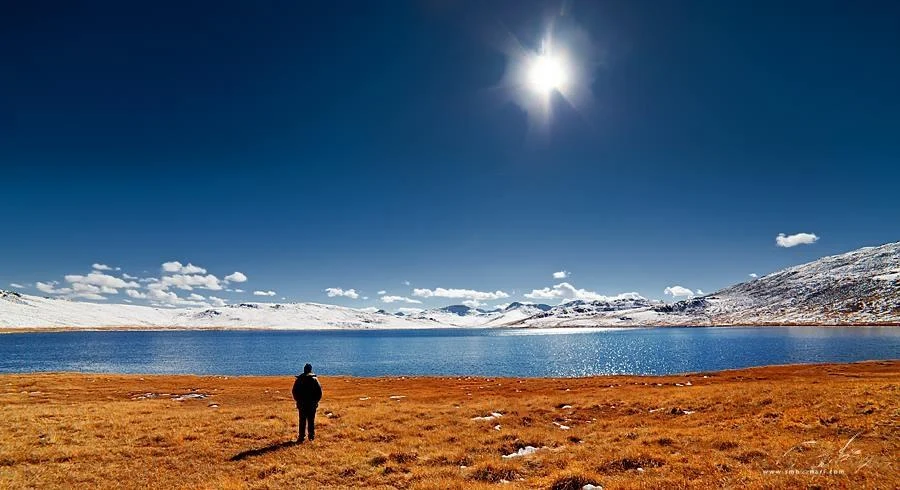
      Sheosar Lake is located in the Deosai National Park, one of the highest plateaus in the world, at an elevation of approximately 4,142 meters (13,589 feet) above sea level. The lake sits in the Gilgit-Baltistan region of Pakistan, around 30 kilometres from the town of Skardu, the main gateway to the northern regions of Pakistan.

      Reaching Sheosar Lake requires an adventure. While Skardu is accessible by road, getting to the lake involves navigating the rugged terrain of Deosai National Park. Travellers typically hire a 4×4 vehicle to traverse the unpaved roads that lead to the lake, passing through lush valleys, green meadows, and rocky slopes. The scenic drive, though challenging, offers stunning views of the surrounding landscape, making the journey to Sheosar Lake as memorable as the destination itself.

      Sheosar Lake

      The History of Sheosar Lake

      The name “Sheosar” is derived from two local words: “Sheo”, meaning “mountain”, and “Sar”, meaning “lake,” together translating to “Lake among the Mountains.” This name perfectly describes the lake’s unique location, surrounded by towering mountain peaks.

      For centuries, Sheosar Lake has been known to local communities, particularly the Baltis and Shins, who consider the lake and the surrounding area sacred. Locals primarily used the area for grazing livestock. Still, its beauty and peaceful atmosphere have made it a symbol of the region’s untouched nature.

      The lake remained relatively hidden from the outside world until the 20th century when explorers and adventurers discovered its awe-inspiring views. Over the years, Sheosar Lake has gained popularity, becoming an increasingly well-known destination for tourists worldwide. However, it retains an air of seclusion that adds charm.

      How to Reach Sheosar Lake?

      The journey to Sheosar Lake starts in Skardu, a charming town known for its natural beauty and adventure tourism. From Skardu, travellers typically take a 4×4 vehicle to reach Deosai National Park. The ride can be rough, but it offers unforgettable views of the region’s mountainous landscape, expansive meadows, and vast valleys.

      • By Road: Take the main road towards Deosai National Park from Skardu. The distance is about 30 kilometres, but the rough and bumpy roads can take 2-3 hours to reach Sheosar Lake.
      • By Vehicle: Regular cars cannot access the lake, so it is recommended to hire a 4×4 vehicle to navigate the roads safely.
      • Guided Tours: For those unfamiliar with the area or looking for a more convenient option, guided tours are available from Skardu, which typically include transportation, a guide, and a stop at other attractions.

      Sheosar-Lake

      Natural Beauty of Sheosar Lake

      Once you reach Sheosar Lake, the area’s stunning beauty will take your breath away. The lake’s crystal-clear waters, surrounded by a ring of majestic snow-capped mountains, create a serene and peaceful environment that feels like a different world altogether. The reflection of the mountains in the water adds to the surreal beauty of the lake.

      • Summer and Spring: During the warmer months, Sheosar Lake is surrounded by lush green meadows and an explosion of wildflowers, including poppies, tulips, and irises. The weather is perfect for hiking, camping, and wildlife watching, and the vibrant colours of the flora contrast beautifully with the lake’s blue.
      • Winter and Fall: As temperatures drop in autumn and winter, the lake freezes over, surrounded by snow. The snow-capped mountains add an extra layer of beauty to the already stunning landscape, making it a perfect winter destination for those seeking solitude and tranquillity.

      Flora and Fauna of Deosai National Park

      Deosai National Park, where Sheosar Lake is located, is known for its unique biodiversity and rich ecosystems. The park is home to many plant and animal species, many of which are rare or endangered.

      • Flora: In the summer, the park is covered with alpine meadows full of wildflowers, including blue poppies, alpine roses, and various grasses. These meadows give way to patches of alpine shrubs and trees as the elevation increases. The vibrant colours of these flowers contrast beautifully with the clear skies and the blue of Sheosar Lake.
      • Fauna: Deosai National Park has several wildlife species, including brown bears, the Himalayan ibex, wild sheep, and marmots. The park is also famous for its birdlife, with golden eagles, griffon vultures, and peregrine falcons soaring above. It is one of the best places for wildlife enthusiasts to spot these majestic creatures in their natural habitat.

      Sheosar Lake Deosai

      Why is Sheosar Lake Famous for Tourism?

      Sheosar Lake has become a famous destination for tourists due to several factors, including its natural beauty, unique location, and the opportunity it provides for outdoor activities.

      Scenic Beauty

      Tourists flock to Sheosar Lake primarily because of its unmatched scenic beauty. Whether you’re taking in the view from the shore, hiking through Deosai’s meadows, or capturing the beauty of the landscape on camera, Sheosar Lake offers some of the most photogenic scenes in the world.

      Peace and Tranquility

      Unlike other popular tourist destinations, Sheosar Lake is relatively secluded. Its remote location means fewer crowds, offering visitors the chance to enjoy the peace of nature. The stillness of the lake, combined with the vastness of the surrounding plateau, creates an incredibly calming atmosphere.

      Wildlife and Adventure

      For adventure enthusiasts and wildlife photographers, Sheosar Lake is a perfect destination. The Deosai National Park offers excellent opportunities for trekking, camping, and wildlife watching. Whether you’re an experienced hiker or a nature lover simply looking to explore, the lake and its surroundings provide the perfect setting for outdoor activities.

      Cultural Significance

      The lake holds cultural importance for the local communities, and understanding its role in the region’s history can add depth to your visit. Learning about the indigenous cultures of the Baltis and Shins and how they have coexisted with nature for centuries provides visitors with a richer experience.

      Best Time to Visit Sheosar Lake

      The best time to visit Sheosar Lake largely depends on the kind of experience you want:

      • Summer (June to September): This is the peak tourist season, with lush green meadows, colourful wildflowers, and clear skies. It’s the ideal time for hiking, camping, and wildlife photography.
      • Autumn (October-November): As the weather cools, the area becomes quieter, and the landscape takes on a golden hue. This is a great time for those who prefer fewer crowds and a more peaceful environment.
      • Winter (December-February): The lake freezes over, and the surrounding areas are covered in snow. This is the perfect time to visit for those seeking a winter wonderland experience. However, be prepared for extreme cold.

      Conclusion

      Sheosar Lake is truly one of Northern Pakistan’s most awe-inspiring natural wonders. Its crystal-clear waters, scenic views, diverse wildlife, and peaceful environment offer a unique experience that attracts adventurers, photographers, and nature lovers worldwide.

    1. Satpara Lake: A Beautiful Destination in Skardu,

      Satpara Lake: A Beautiful Destination in Skardu,

      In this blog, we will explore the history, charm, and unparalleled beauty of Satpara Lake, why it has become a hotspot for tourism, and everything a traveler needs to know to make the most out of their visit.

      Introduction to Satpara Lake

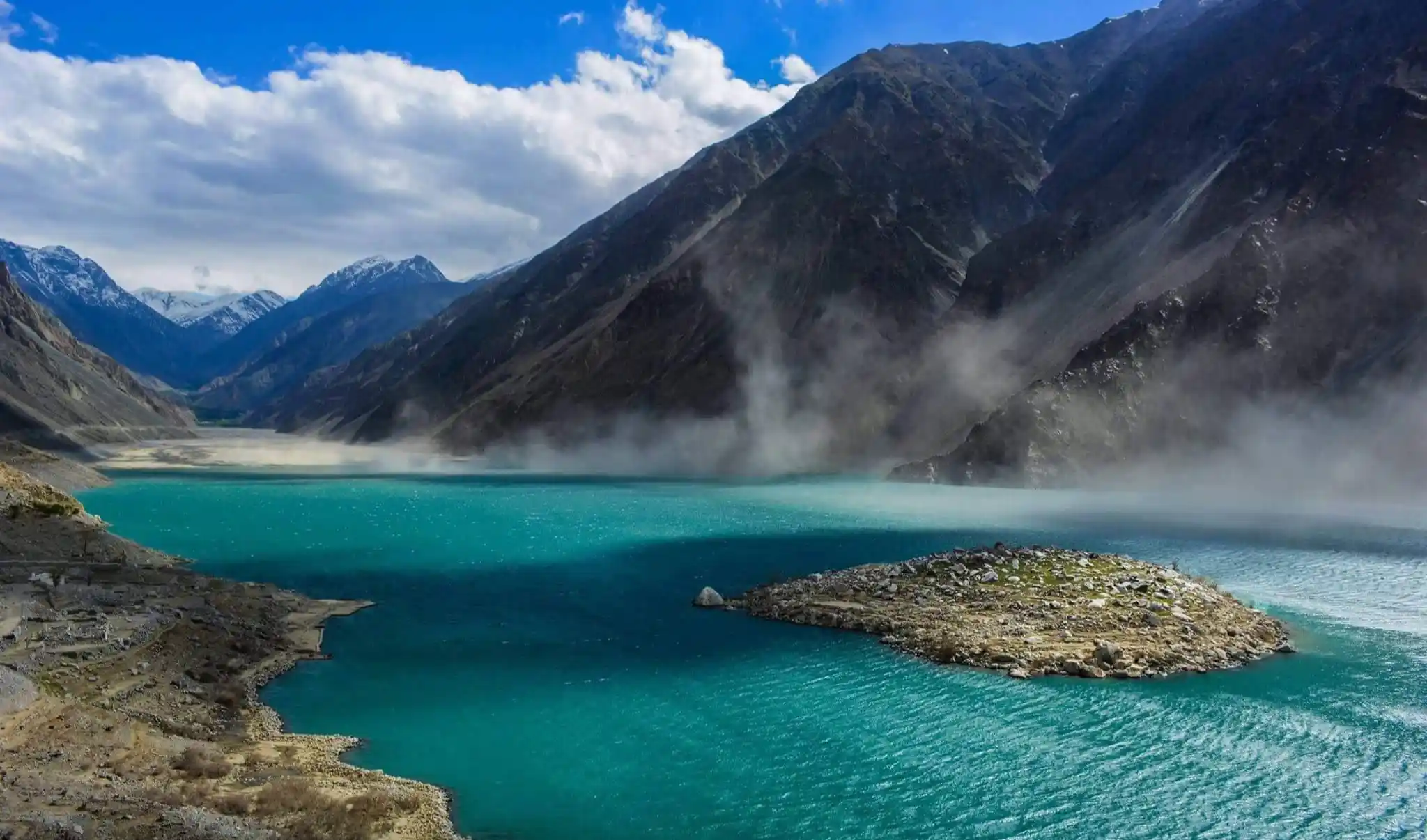
      Satpara Lake is a natural lake located about 8 kilometres south of Skardu City, the capital of the Skardu district in Gilgit-Baltistan. This stunning blue water reservoir is nestled between lush green mountains. It offers a tranquil escape for visitors looking to immerse themselves in the beauty of nature.

      The lake is part of the Satpara Dam project, which was built to provide water for irrigation and electricity to the region. However, despite its association with the dam, Satpara Lake has retained its natural charm. It is one of the region’s most photographed and beloved tourist spots. With its clear, deep waters and spectacular mountain views, Satpara Lake presents the perfect setting for relaxation, boating, and nature walks.

      Location and Accessibility of Satpara Lake

      Satpara Lake is located in Skardu and is easily accessible by both road and air. Skardu is a popular tourist hub in Northern Pakistan. It serves as the gateway to various trekking and adventure destinations in the region, including the famous Deosai National Park and the base camps for K2 and other peaks in the Karakoram range.

      • By Air: The easiest way to reach Skardu is by domestic flight from Islamabad to Skardu. The flight takes about 1.5 hours and provides stunning aerial views of the mountains, valleys, and rivers.
      • By Road: If you prefer to travel by road, you can take a long but scenic journey from Islamabad to Skardu, which takes approximately 20-24 hours. This road trip offers beautiful views of the Hunza Valley, Naran-Kaghan Valley, and other picturesque spots.

      Once you reach Skardu, Satpara Lake is just a short drive away, around 20 minutes from the city centre. The road to the lake is well-maintained and can be easily navigated by a standard vehicle.

      Satpara lake

      History of Satpara Lake

      The history of Satpara Lake is linked to the construction of the Satpara Dam, which was completed in 2005. The lake was formed due to the dam’s reservoir, which was designed to supply water for irrigation and generate electricity for the surrounding areas. The Satpara Dam is a crucial infrastructure project for the region, as it supports agriculture and provides power to the nearby villages.

      However, before the dam’s construction, the Satpara Valley was already known for its natural beauty, with the lake being a popular spot for locals and travellers. The region has long been inhabited by the Balti people, who have unique cultures, traditions, and languages.

      Despite being an artificial reservoir, Satpara Lake has maintained its natural charm. It continues to be one of the most iconic landmarks of the Skardu district. The area surrounding the lake is rich in history, with old monasteries, villages, and ancient Buddhist rock carvings that highlight the region’s cultural heritage.

      Natural Beauty of Satpara Lake

      Satpara Lake is known for its breathtaking beauty, which is why it has become a popular tourist destination in Northern Pakistan. The lake’s crystal-clear waters, surrounded by rugged mountains and green valleys, create a picturesque landscape that seems almost surreal.

      • Stunning Views: The lake is surrounded by the mighty Karakoram mountain range, with peaks like the Satpara Peak and the Malang Parbat providing a dramatic backdrop. These snow-capped peaks reflect off the lake’s surface, creating a stunning mirror image.

      • Colour of the Water: The lake’s water is a vivid blue shade, giving it a peaceful and almost magical appearance. The clarity of the water allows visitors to see the rocks and plants beneath the surface, adding to its appeal.

      • Flora and Fauna: The area around Satpara Lake is home to various species of flora and fauna. The surrounding hills and valleys come alive in spring and summer with wildflowers and lush greenery. Visitors can often spot animals like marmots, ibex, and even the occasional snow leopard in the higher reaches of the region. Birdwatchers will also appreciate the diverse birdlife, with species like eagles, falcons, and migratory birds.

      Activities to Do at Satpara Lake

      Satpara Lake offers many activities for tourists looking to enjoy its natural beauty and peaceful atmosphere. Whether you prefer a relaxing day on the water or an adventurous hike in the mountains, there’s something for everyone at this scenic spot.

      Boating on Satpara Lake

      One of the most popular activities at Satpara Lake is boating. Tourists can rent small boats and paddle across the tranquil waters, soaking in the stunning views of the surrounding mountains and valleys. The lake’s calm waters make it an ideal location for boating, and the experience is peaceful and exhilarating.

      Fishing

      Satpara Lake is also known for its fishing opportunities. The lake’s clear waters are home to various fish species, including trout. Fishing enthusiasts can enjoy a quiet day by the water, trying their luck at catching fish while enjoying the serene surroundings.

      Trekking and Hiking

      For those looking for a more adventurous experience, Satpara Lake offers numerous trekking and hiking opportunities. The surrounding mountains and valleys are perfect for nature walks, and several well-marked trails lead to viewpoints offering panoramic views of the lake and the surrounding region. One of the most popular trekking routes is the hike to Satpara Peak, which offers an incredible view of the entire lake and the surrounding landscape.

      Photography

      The beauty of Satpara Lake makes it an ideal destination for photographers. The clear blue water, the majestic mountains, and the vibrant flora provide excellent photo opportunities. Whether you’re capturing the stunning sunrise or the reflections of the mountains in the lake, the area offers endless possibilities for amateur and professional photographers.

      Satpara lake

      Why is Satpara Lake Famous for Tourism?

      Satpara Lake has become one of the most popular tourist spots in Northern Pakistan for several reasons:

      • Natural Beauty: The lake’s stunning, untouched natural beauty and surrounding landscapes are one of the main attractions. The crystal-clear water, dramatic mountain views, and lush greenery perfectly blend tranquillity and adventure.
      • Proximity to Skardu: Located just a short drive from Skardu, Satpara Lake is easily accessible for tourists visiting the region. Its proximity to Skardu makes it an ideal day trip for travellers who want to explore the area’s beauty without venturing too far from the city.
      • Outdoor Activities: The wide range of outdoor activities available at Satpara Lake, such as boating, fishing, hiking, and trekking, make it a popular spot for adventure tourism. Whether you want to relax or seek adventure, Satpara Lake has something to offer.
      • Cultural Significance: The lake and its surrounding area are rich in cultural heritage, with ancient Buddhist rock carvings and monasteries adding a historical layer to the region’s natural beauty.

      Best Time to Visit Satpara Lake

      The best time to visit Satpara Lake is during the summer months, from May to September. During this time, the weather is mild, with clear skies and pleasant temperatures, making it ideal for outdoor activities like boating and hiking.

      If you want to experience the lake surrounded by snow-capped mountains, the winter months can be a magical time to visit. However, the cold temperatures can make travel difficult, and some activities may not be available during this season.

      Tips for Visiting Satpara Lake

      • Pack Light but Warm Clothing: Even in summer, temperatures around Satpara Lake can be cool, especially in the early mornings and evenings—pack layers to stay comfortable during your visit.
      • Bring Snacks and Water: There are limited food and drink options around the lake, so bringing snacks and bottled water with you is a good idea.
      • Hire a Local Guide: If you’re planning to hike or explore the surrounding areas, consider hiring a local guide who knows the region well and can help you navigate the trails safely.
      • Respect the Environment: Satpara Lake is a pristine natural area, so make sure to leave no trace by cleaning up after yourself and respecting the local environment.

      Nearby Attractions

      Deosai National Park

      Located about 30 km from Shangrila Lake, Deosai National Park is a vast plateau known for its unique wildlife and scenic beauty. It’s one of the highest national parks in the world and offers excellent hiking opportunities.

      Skardu Fort (Kharpocho Fort)

      Overlooking Skardu, this ancient fort offers panoramic views of the valley. It’s a perfect spot for history enthusiasts and photographers alike.

      Shigar Fort

      A historical fort turned hotel, Shigar Fort is a blend of ancient architecture and modern luxury. The fort offers a glimpse into the region’s rich history and culture.

      Satpara Lake

      Located a short drive from Skardu, Satpara Lake is a stunning body of water surrounded by the dramatic peaks of the Karakoram range. It’s perfect for fishing and photography.

      Upper Kachura Lake

      A short distance from Shangrila Lake, Upper Kachura Lake is known for its deep blue waters and rugged, serene surroundings. It’s a perfect spot for adventure seekers and those looking to escape the crowds.

      Conclusion

      Satpara Lake is one of Northern Pakistan’s most beautiful and tranquil spots. With its breathtaking scenery, crystal-clear waters, and range of activities, it’s the perfect destination for nature lovers, adventure enthusiasts, and anyone seeking a peaceful escape. Whether boating on its calm waters, hiking in the mountains, or simply enjoying the view, Satpara Lake promises a memorable experience that will stay long after you leave.

    Translate »

    Proceed Booking