Author: Shaan Abbas

  • 5 Must-Visit Destinations in Pakistan for a Luxury Tour

    5 Must-Visit Destinations in Pakistan for a Luxury Tour

    1. Hunza Valley: A Serene Luxury Escape

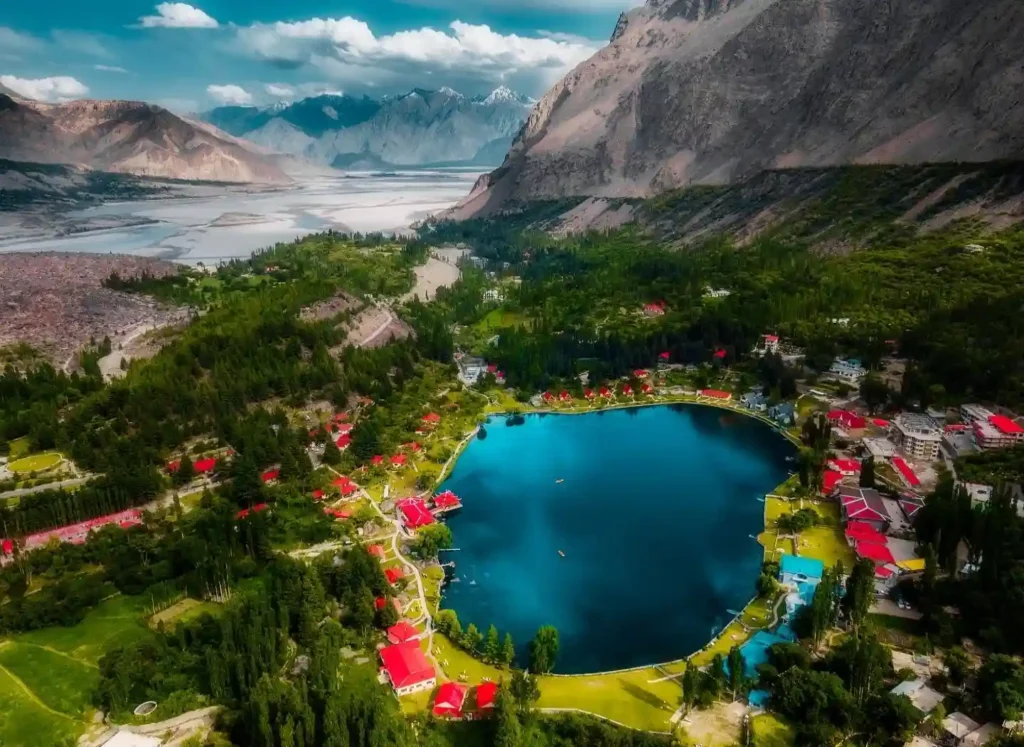
    Nestled in the foothills of the Karakoram Range, Hunza Valley is one of Pakistan’s most breathtaking destinations. Known for its stunning landscapes, charming villages, and rich cultural heritage, Hunza is the perfect place to indulge in luxury.
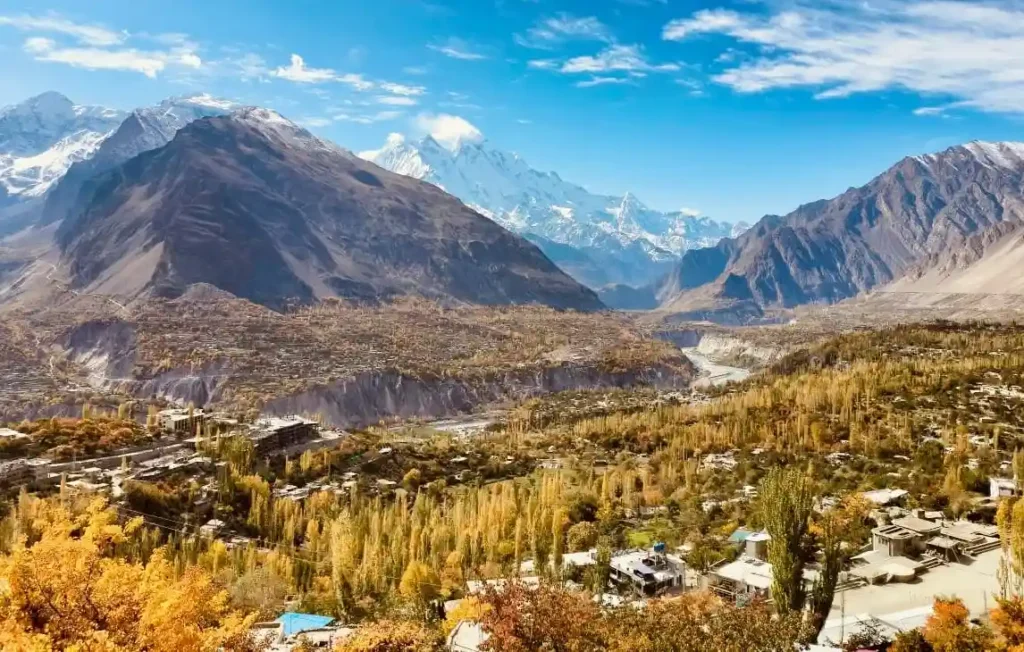
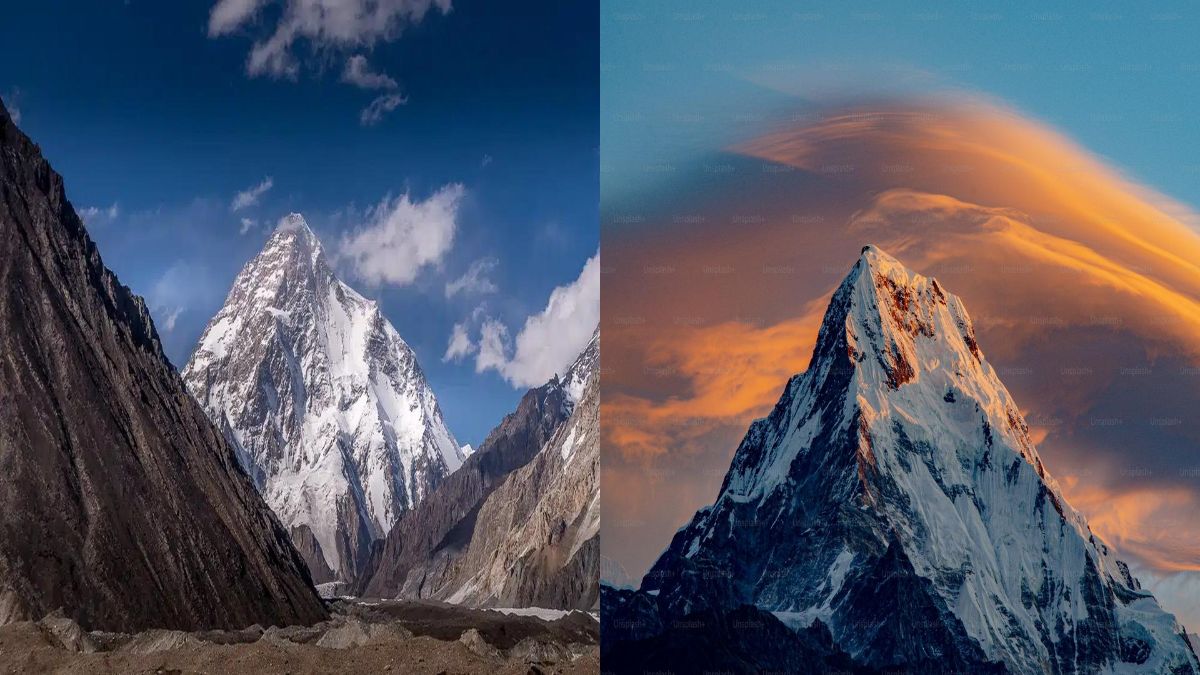
    Hunza Valley pakistan
    Skardu Luxury Tour
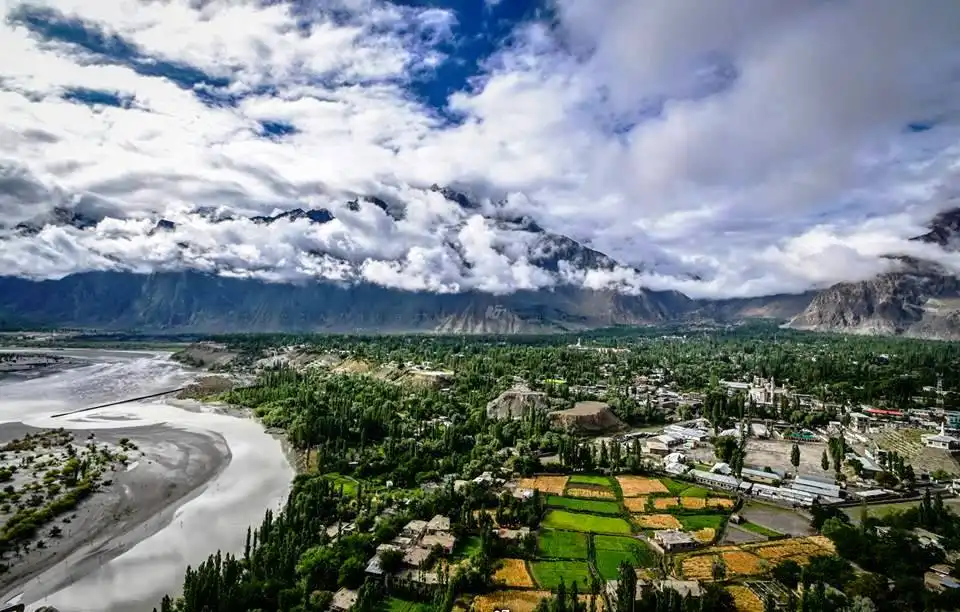
    Gilgit Baltistan
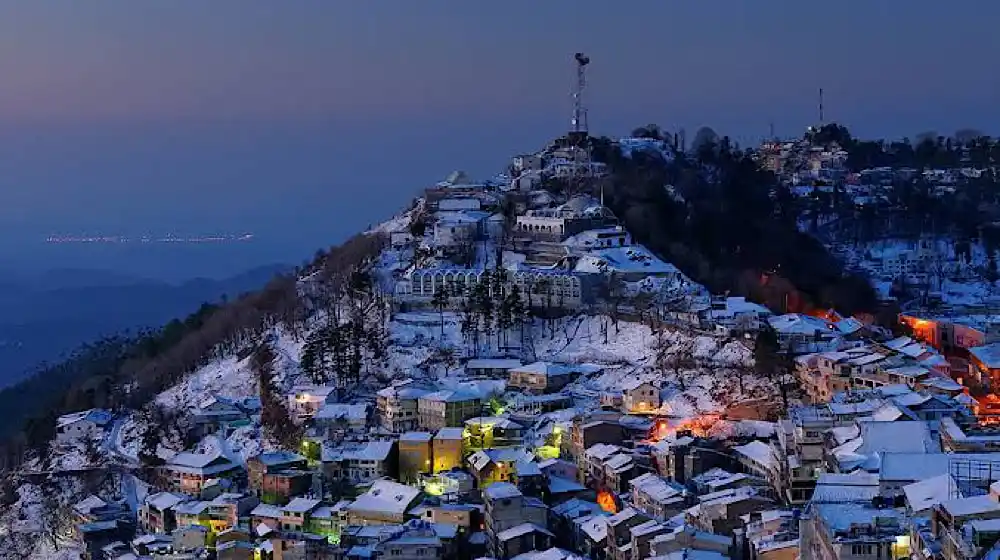
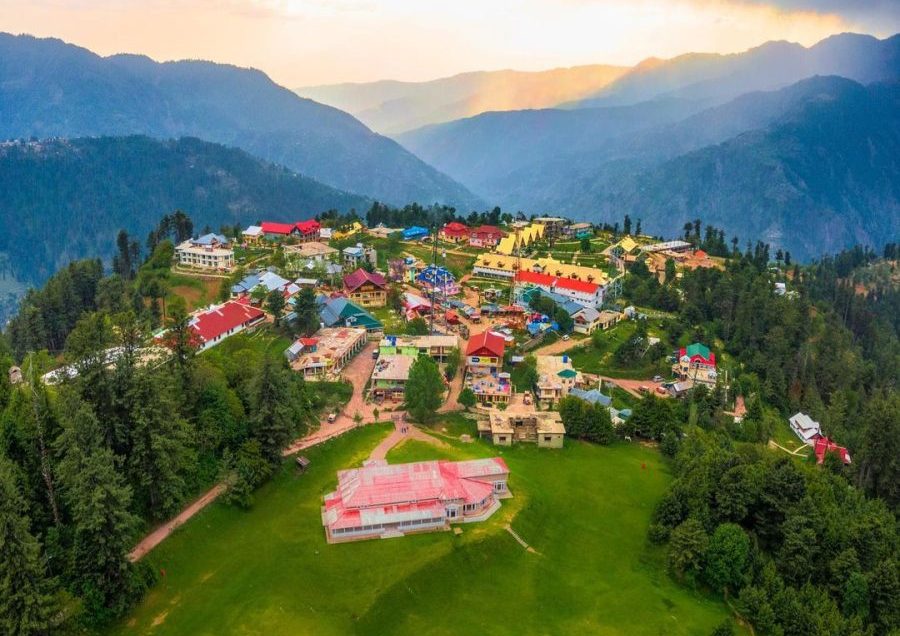
    Murree
    • Activities: Luxury travelers can enjoy private nature walks, horseback riding, and chairlift rides at Patriata (New Murree). Murree is also home to several local markets where travelers can shop for traditional crafts and souvenirs.
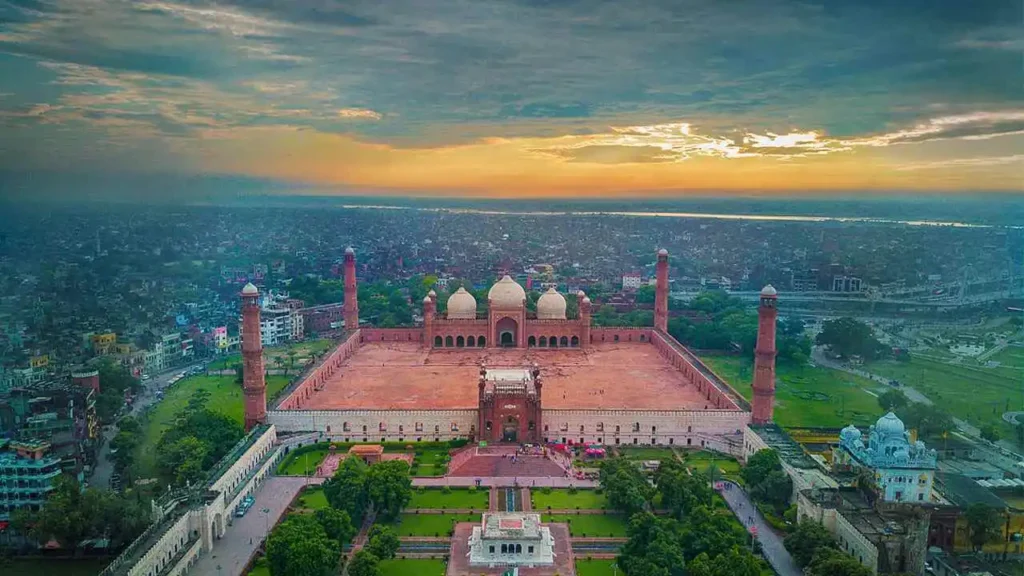
    Lahore

    For those looking for an exclusive and unforgettable experience, the destinations highlighted in this blog are perfect for a luxurious escape. Each location seamlessly combines nature, culture, and comfort, offering a travel experience that stands out from the ordinary.

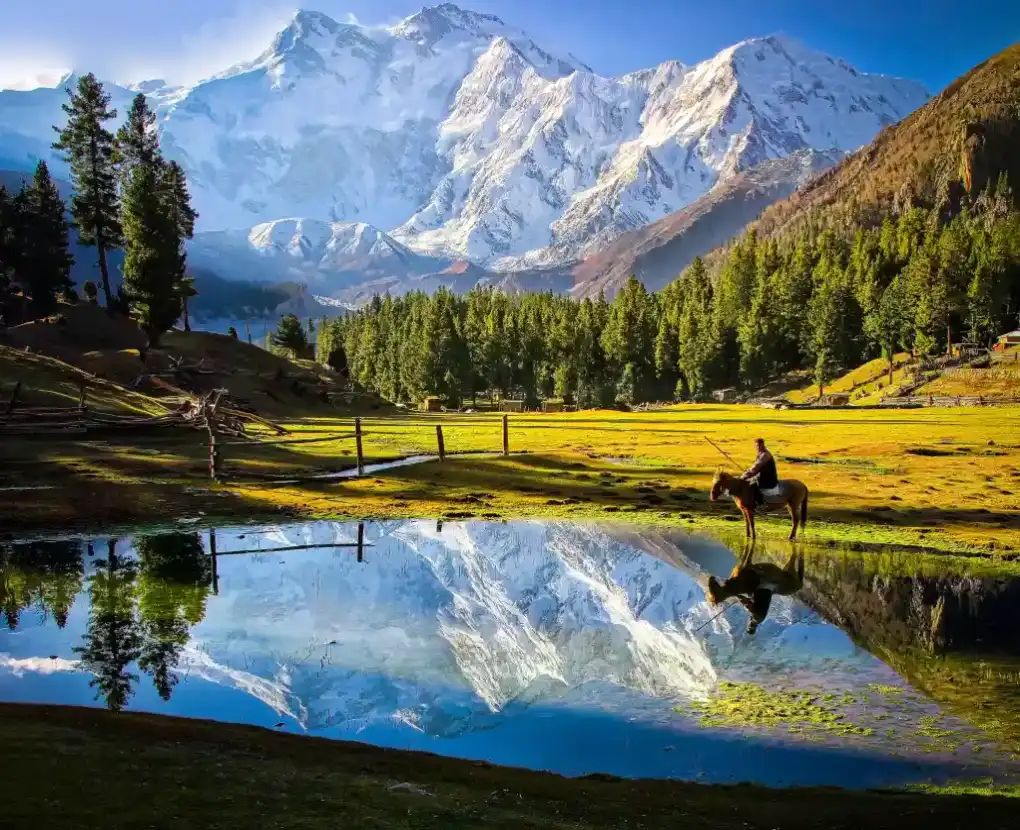
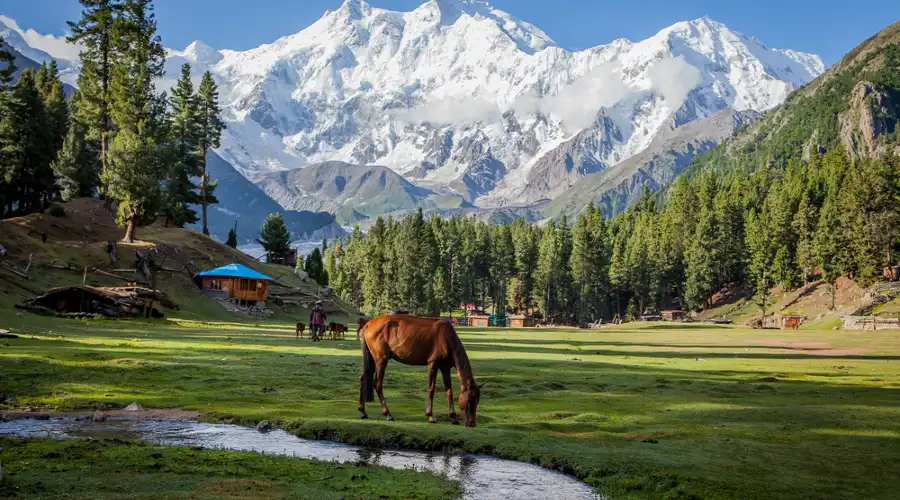
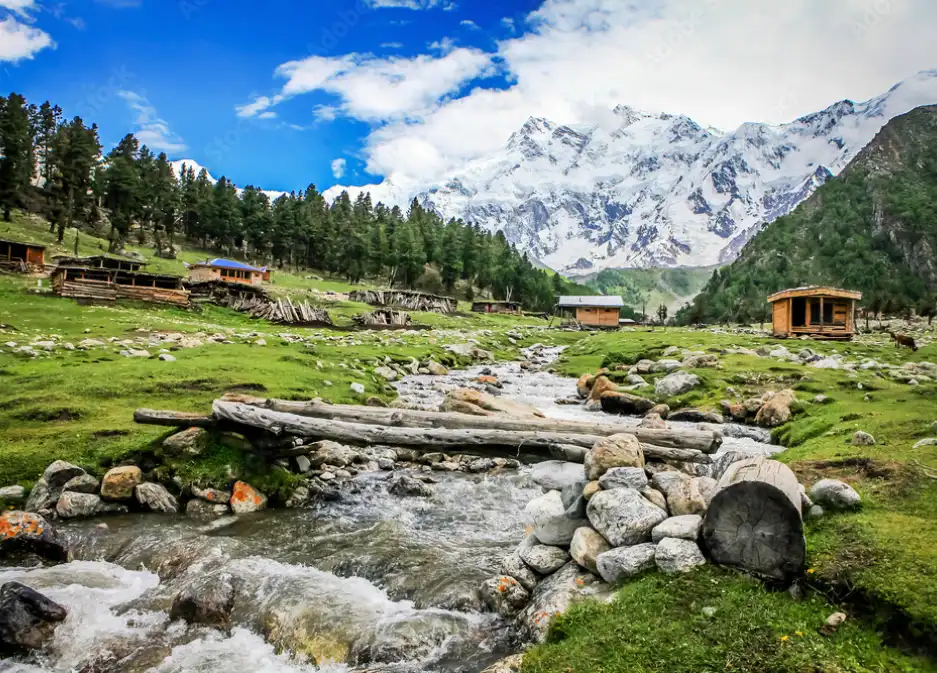
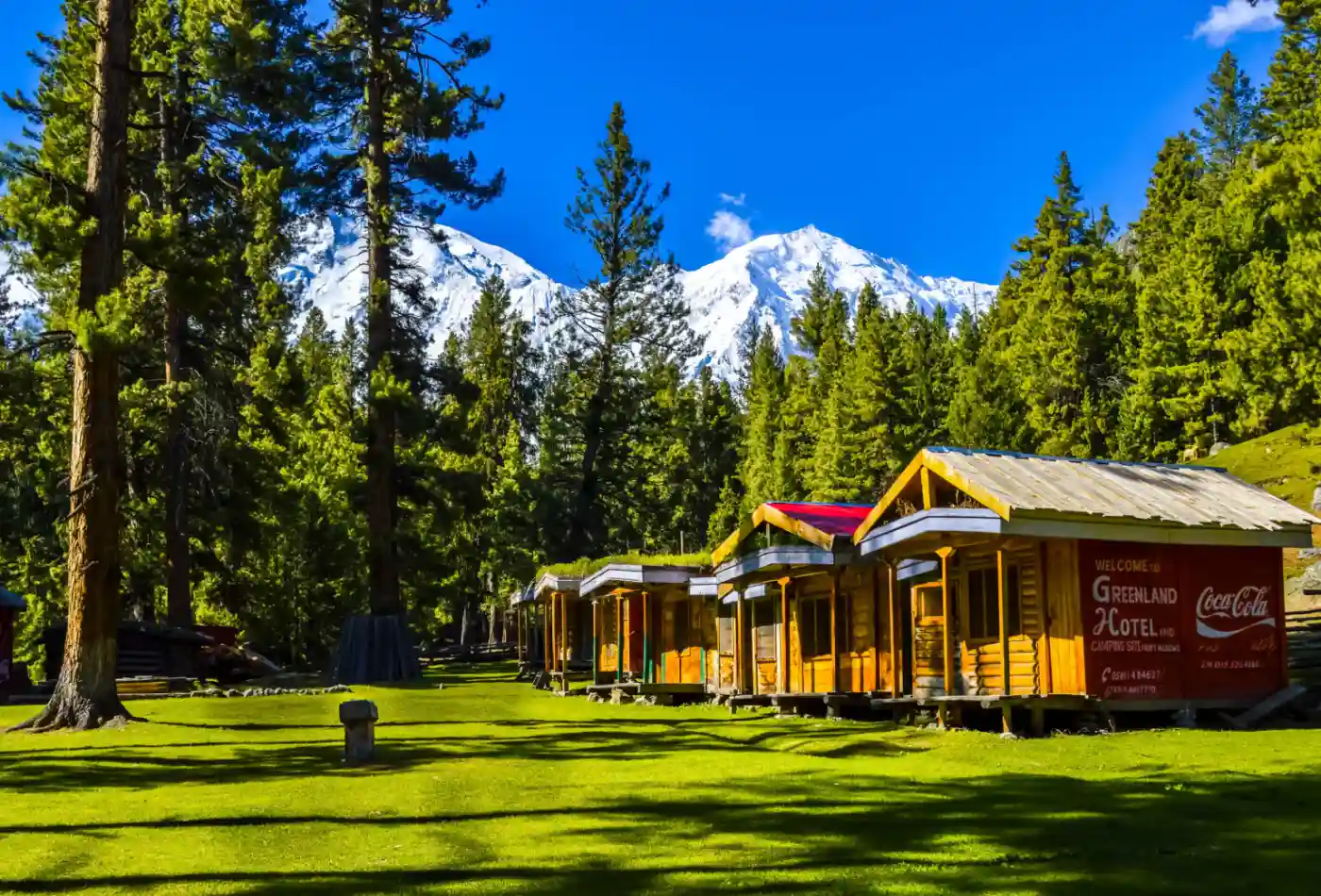
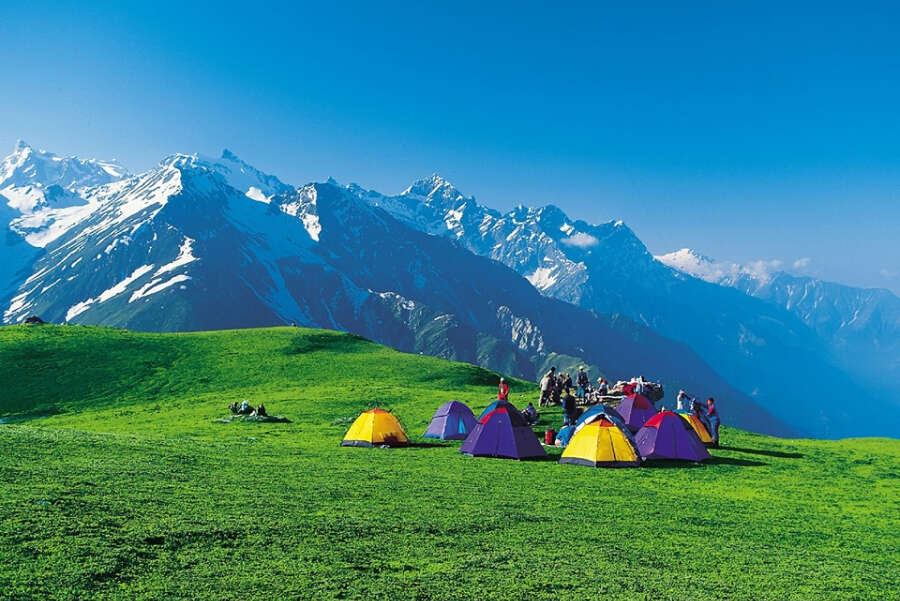
  • Fairy Meadows / Nanga Parbat Base

    Fairy Meadows / Nanga Parbat Base

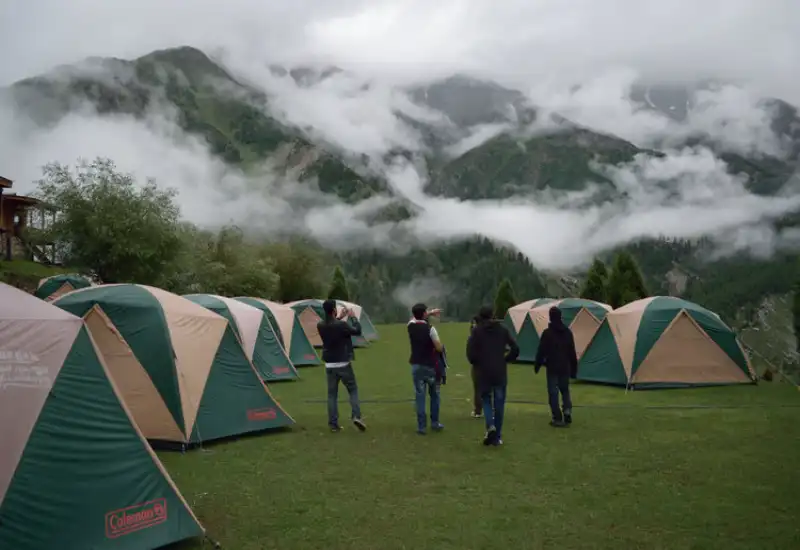
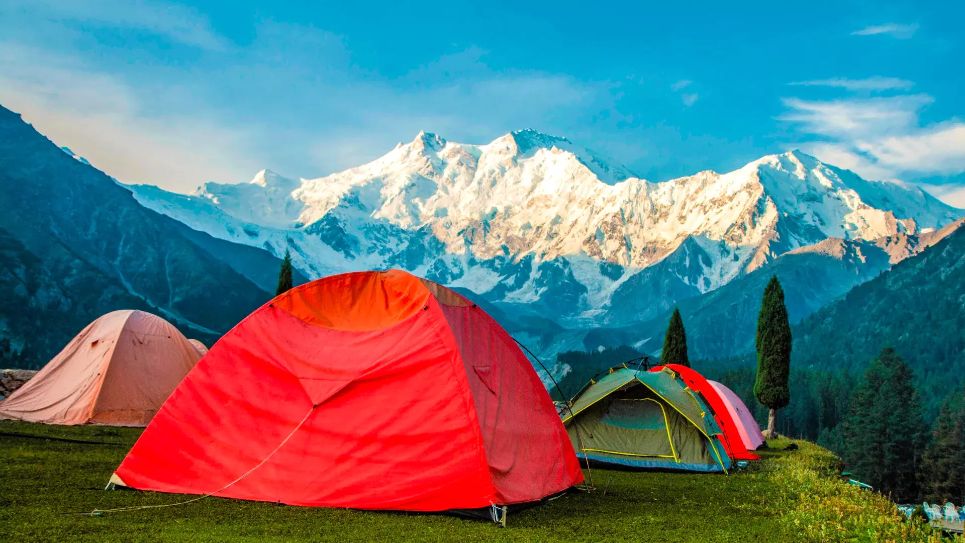
    3.1. Camping

    Fairy Meadows
    Camping in fairy meadows

    Fairy Meadows Cottages Pakistan 1536x1021 4 Luxury Tour

    Conclusion

  • Historical Ascents of K2

    Historical Ascents of K2

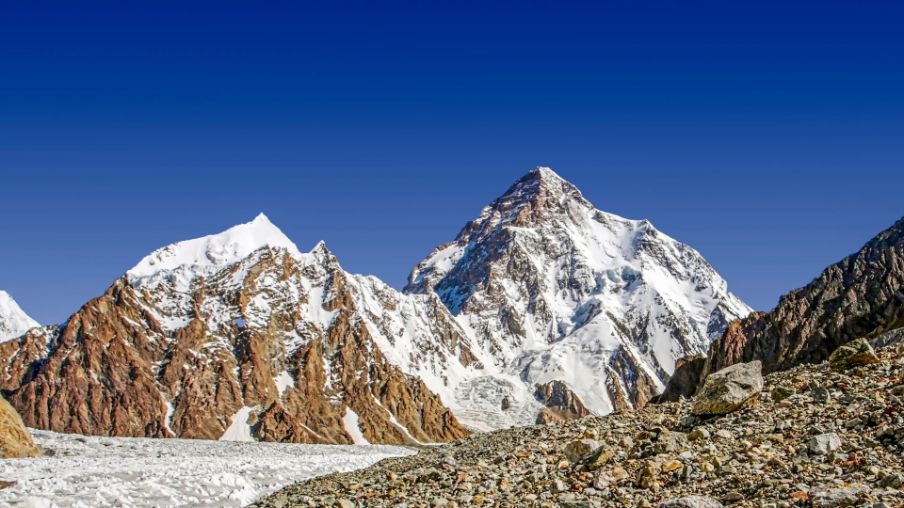
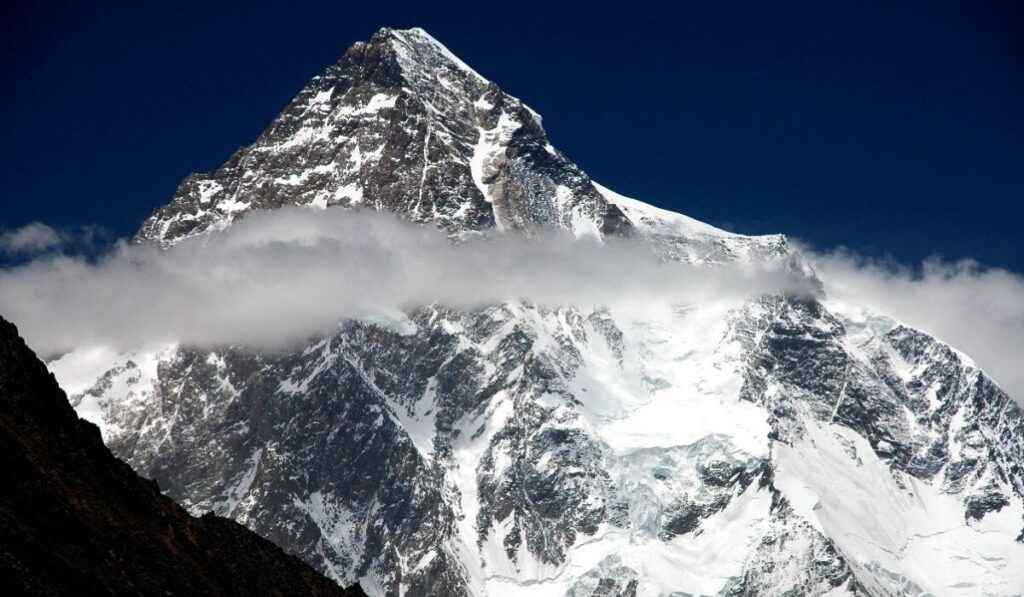
    K2, often called the “Savage Mountain,” is the second-highest peak in the world, standing at a staggering 8,611 meters (28,251 feet). Located in the Karakoram Range along the Pakistan-China border, K2 is infamous for its technical difficulty, unpredictable weather, and high fatality rate. Despite these challenges, it has become a beacon for the world’s most daring mountaineers. Over the decades, K2 has witnessed both triumphant summits and tragic losses, making its history as rich and dramatic as the mountain itself.

    In this blog, we delve into the historical ascents of K2, exploring notable expeditions, legendary climbers, and the enduring allure of this formidable peak.

    The First Ascent of K2: 1954 Italian Expedition

    The first successful ascent of K2 is one of the most celebrated moments in mountaineering history. On July 31, 1954, Italian climbers Achille Compagnoni and Lino Lacedelli reached the summit via the Abruzzi Spur, overcoming tremendous challenges.

    Challenges Faced

    Ardito Desio led the expedition, which was meticulously planned. The team faced harsh weather, treacherous ice walls, and logistical challenges. To ensure success, they used fixed ropes, camps at multiple altitudes, and supplemental oxygen.

    Controversies

    While the ascent marked a historic achievement, it was not without controversy. Walter Bonatti, a member of the expedition, claimed that he was unfairly left in a dangerous position overnight to ferry oxygen bottles to higher camps, an incident that remains debated today.

    The 1954 Italian expedition set the stage for future climbs, proving that K2’s summit was achievable only with extraordinary effort and teamwork.

    If you’re ready to take on this thrilling ascent, explore our K2 Expedition for a guided adventure.

    Notable Climbs in the Following Decades

    Following the first ascent, K2 saw several remarkable climbs that demonstrated mountaineering techniques’ evolution and climbers’ courage.

    Second Successful Ascent: 1977 Japanese Expedition

    The second successful climb of K2 took 23 years after the first ascent. In 1977, a Japanese team led by Ichiro Yoshizawa made history. Their ascent via the Abruzzi Spur reinforced its reputation as the most reliable route to the summit.

    Alpine-Style Climb: 1979

    Reinhold Messner, one of the most famous names in mountaineering, and Michael Dacher accomplished an alpine-style ascent of K2 in 1979. This approach, which avoided the use of fixed ropes and high-altitude camps, emphasized speed and self-reliance, highlighting Messner’s legendary status in the mountaineering world.

    First Pakistani Ascent: 1977

    Nazir Sabir became the first Pakistani to summit K2 in 1977, a milestone in Pakistan’s mountaineering history. His achievement inspired a new generation of climbers from the region.

    Cultural Insights: Exploring the Local Communities Around K2

    Record-Breaking Climbers and Expeditions

    Over the years, K2 has attracted climbers seeking to push boundaries and set records.

    First Woman to Climb K2: Wanda Rutkiewicz (1986)

    In 1986, Wanda Rutkiewicz from Poland became the first woman to summit K2. Her ascent was a groundbreaking achievement for mountaineering women, proving they could conquer the most challenging peaks in the world.

    Fastest Ascent

    K2 has seen climbers attempting to set speed records, with some achieving ascents in under 24 hours. These feats highlight advancements in training, gear, and climbing techniques.

    Youngest and Oldest Climbers

    K2’s history includes inspiring climbers from all age groups. For instance, climbers like Mirza Ali Baig have brought attention to the diverse demographics taking on this daunting challenge.

    Winter Ascents of K2

    K2 was the only 8,000-meter peak never summited in winter for decades, earning its reputation as one of the harshest mountains on Earth. It changed in January 2021 when Nepali climbers made their first successful winter ascent.

    The Nepali Team’s Historic Achievement

    Led by Nirmal Purja and Mingma Gyalje Sherpa, the Nepali team achieved what many thought was impossible. Facing temperatures below -50°C and hurricane-force winds, they showcased unparalleled skill, teamwork, and resilience.

    This winter ascent marked a new chapter in K2’s history, highlighting Nepali climbers’ incredible capabilities and contributions to mountaineering.

    Famous Climbing Routes on K2

    K2 offers multiple routes to the summit, each with its challenges. Among the most notable are:

    1. Abruzzi Spur

    The most commonly used route was named after the Duke of Abruzzi, who attempted K2 in 1909. It involves steep rock faces, icy slopes, and treacherous sections like the “Bottleneck.”

    2. Cesen Route

    This route is considered less crowded but more technical. It requires climbers to navigate exposed rock and ice walls.

    3. North Ridge

    One of the most challenging routes, the North Ridge, requires climbers to traverse long, dangerous sections with little room for error.

    Each route demands a combination of skill, endurance, and strategic planning, making K2 the ultimate test for climbers.

    Dive deeper into the culture and stories of the region in our blog on Exploring the Local Communities Around K2.

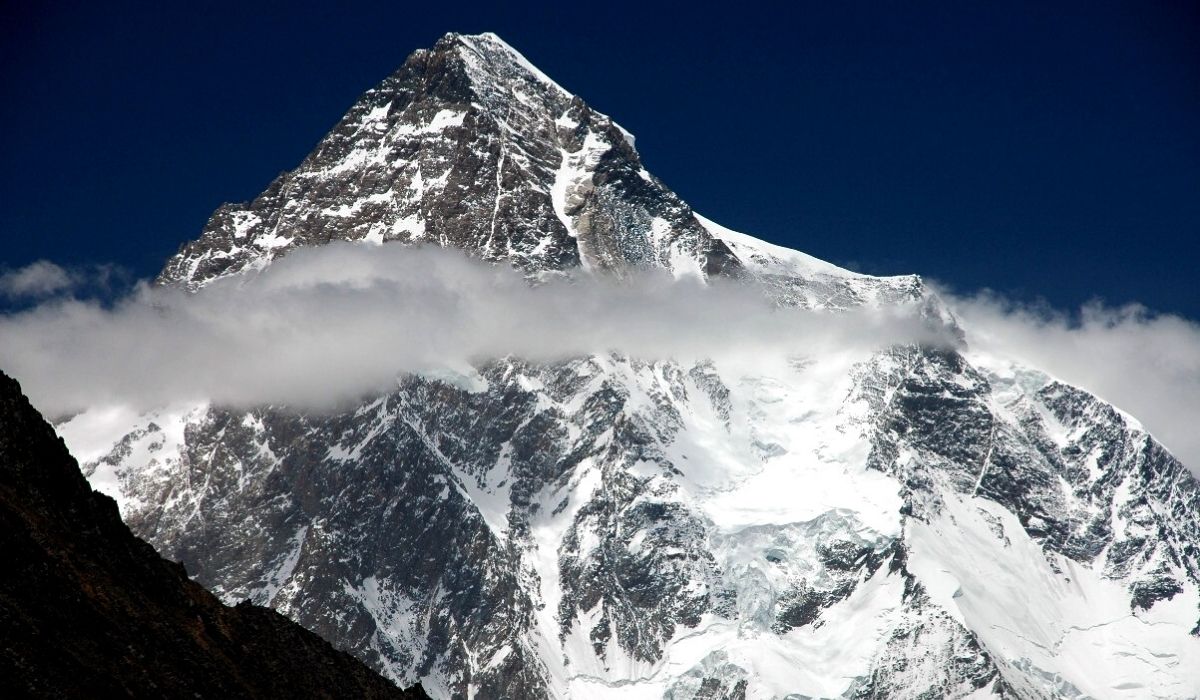
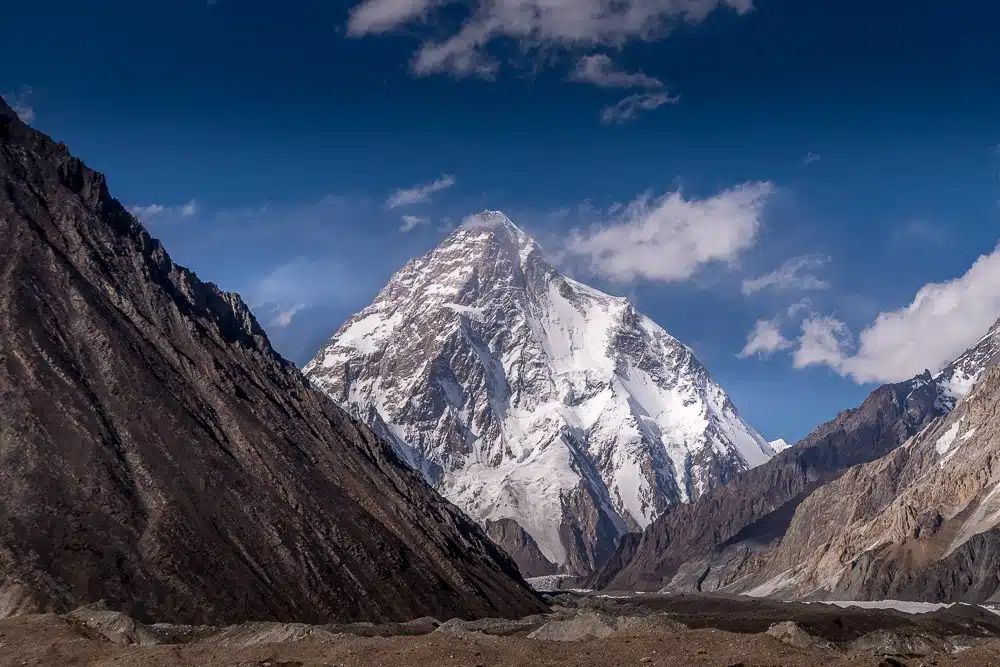
    k2 mountain

    The Dark Side of K2: High Fatality Rate

    K2’s allure comes with a sobering reality—it has one of the highest fatalities among 8,000-meter peaks. Approximately one in four climbers who attempt the summit do not return.

    Why Is K2 So Dangerous?

    • Unpredictable Weather: Sudden storms can trap climbers, making descent nearly impossible.
    • Avalanches and Rockfalls: The mountain’s steep slopes are prone to natural hazards.
    • Altitude Sickness: The lack of oxygen at extreme altitudes can lead to fatal complications.

    These dangers have led to numerous tragedies, including the infamous 2008 disaster when 11 climbers lost their lives in a single expedition.

    Contribution of Sherpas and Local Climbers

    Sherpas and local Pakistani climbers play an indispensable role in K2 expeditions. Their expertise in navigating the Karakoram terrain, setting up camps, and assisting climbers has been vital to many successful ascents.

    Recognition of Their Role

    While often working behind the scenes, Sherpas like Mingma Gyalje and local climbers such as Nazir Sabir have been instrumental in shaping K2’s climbing history.

    Lessons from Historical Ascents

    K2’s history teaches us about the resilience, teamwork, and determination required to conquer such a formidable peak. It also reminds us of the risks inherent in mountaineering and the need for respect and preparation.

    Evolving Techniques

    From the rope-heavy expeditions of the 1950s to today’s alpine-style ascents, K2 has been a testing ground for innovation in climbing techniques and gear.

    Conclusion

    The historical ascents of K2 are a testament to human courage, ambition, and perseverance. Whether a success or a tragedy, each climb adds to the mountain’s legacy, inspiring future generations of climbers.

    For those who wish to explore K2’s beauty and history, Alpine Trekkers and Tours offers unforgettable expeditions that combine adventure with cultural immersion. Book your journey today to witness the magic of K2 firsthand.

  • Exploring the Local Communities Around K2

    Exploring the Local Communities Around K2

    Nestled in the heart of the Karakoram Range, K2 is the world’s second-highest peak, drawing adventurers and trekkers from around the globe. Beyond its towering summit lies a world rich in culture, tradition, and history—the local communities of Baltistan. Known for their resilience, hospitality, and vibrant way of life, the people living near K2 offer an extraordinary cultural experience as awe-inspiring as the mountain itself.

    In this blog, we’ll explore the unique cultural aspects of these communities, shedding light on their daily lives, traditions, and how tourism has shaped their world.

    The Balti People: A Unique Mountain Culture

    The Balti people, the primary inhabitants of the K2 region, have a history as fascinating as the landscape they call home. Believed to be of Tibetan origin, the Balti people settled in this region centuries ago, blending Tibetan and Central Asian influences into a distinct culture. The majority of the population resides in the valleys surrounding K2, including Hushe, Shigar, and Skardu, making these villages essential stops for those exploring the area.

    Language and Dialects

    The Balti language, an offshoot of Classical Tibetan, is widely spoken here. However, many locals are multilingual, often fluent in Urdu and English, especially in areas frequented by trekkers.

    A Heritage of Resilience

    Living in one of the world’s harshest climates, the Balti people have developed exceptional survival skills. Their culture reflects this resilience, with traditions and practices deeply tied to their environment and way of life.

    If you’re ready to take on this thrilling ascent, explore our K2 Expedition for a guided adventure.

    Daily Life and Traditions

    Life in the shadow of K2 is a blend of simplicity and hard work. Agriculture forms the backbone of the economy, with locals growing barley, wheat, and potatoes—crops suited to the high-altitude climate.

    Key Traditions

    Balti traditions are rooted in harmony with nature. Festivals, ceremonies, and seasonal practices mark their calendar. The arrival of spring, for example, is celebrated with traditional songs and dances, signaling the end of the harsh winter.

    Community Living

    Family and community are central to Balti life. Villages operate as tight-knit units where collective decision-making and mutual support are integral.

    K2 Base camp Trek

    Local Cuisine: A Taste of Baltistan

    Cultural exploration is complete with sampling the local cuisine. Balti food is a delightful fusion of Tibetan and Pakistani flavors, with hearty dishes reflecting the region’s cold climate.

    Must-Try Dishes

    • Chapshuro: A stuffed bread filled with minced meat, onions, and spices, baked to perfection.
    • Thukpa: A comforting noodle soup with vegetables or meat.
    • Butter Tea (Salt Tea): A Tibetan-inspired beverage made with tea leaves, yak butter, and salt, offering warmth and energy in cold weather.

    Hospitality

    Hospitality is a cornerstone of Balti culture. Visitors are often greeted with warm smiles and invitations to share a meal, embodying the generosity of the mountain communities.

    Crafts and Handicrafts of the Region

    Baltistan is home to skilled artisans who create beautiful handicrafts that reflect their heritage. These crafts are a source of income and a way to preserve cultural traditions.

    Unique Creations

    • Woolen Garments: Hand-crafted sweaters, scarves, and gloves from locally sourced wool.
    • Traditional Carpets: Intricately designed carpets that showcase the artistic flair of Balti weavers.
    • Handmade Utensils: Items like wooden bowls and cups are crafted precisely and carefully.

    Tourists can support the local economy by purchasing these items and taking home a piece of Baltistan’s culture.

    Religious Practices and Cultural Festivals

    Religion plays a significant role in shaping Baltistan’s cultural landscape. Most people follow Islam, and their faith influences daily routines, festivals, and community life.

    Festivals

    • Shigar Polo Festival: Polo, a sport introduced centuries ago, remains a cultural highlight. The festival showcases the skills of local players and brings the community together in celebration.
    • Religious Gatherings: Ramadan and Eid are observed with great enthusiasm, reflecting the region’s solid Islamic traditions.

    These events are an excellent opportunity for visitors to witness the vibrant spirit of the Balti people.

    Learn about the incredible journeys and triumphs in the Ascents of K2 throughout history.

    Exploring Villages Around K2

    The villages around K2 are not just gateways to trekking routes but also treasure troves of cultural experiences. Each town offers a unique glimpse into the lives of the local people.

    Hushe Village

    Known as the last settlement before the K2 Base Camp trek, Hushe is a serene village surrounded by breathtaking views. Visitors can interact with locals and learn about their traditions and way of life.

    Shigar Village

    Famous for the Shigar Fort, this village blends history and culture. Now a boutique hotel, the fort provides insights into the region’s royal past.

    Askole Village

    Askole is the last inhabited settlement on the route to K2. Trekkers must visit it because of its simplicity and cultural richness.

    K2 Mountain Facts, Challenges, and History

    Sustainable Tourism and Its Impact

    While tourism brings economic benefits, it also challenges the local environment and culture. Sustainable tourism practices are essential to preserve the natural beauty and heritage of the K2 region.

    Challenges

    • Increased waste and pollution in remote villages.
    • Pressure on local resources due to the growing number of visitors.

    How to Be a Responsible Tourist

    • Respect local customs and traditions.
    • Avoid leaving waste behind.
    • Support local businesses by purchasing crafts and using local guides.

    Sustainable tourism ensures that future generations can continue to enjoy the splendor of K2 and its communities.

    Discover the remarkable journeys and achievements in the Exploration of K2.

    Insider Tips for Visitors

    To make the most of your visit to the K2 region, keep these tips in mind:

    • Respect Local Etiquette: Dress modestly and follow local customs, such as removing shoes before entering homes or mosques.
    • Learn Basic Phrases: Knowing a few words in Balti or Urdu can go a long way in building connections.
    • Plan Ahead: High-altitude regions require careful planning, especially regarding health and acclimatization.

    Conclusion

    Exploring the local communities around K2 offers a journey into a world of resilience, hospitality, and cultural richness. With their traditions and warm spirits, the Balti people make the K2 region more than just a destination—it’s an unforgettable experience.

    For those eager to witness this cultural tapestry firsthand, Alpine Trekkers and Tours offers guided expeditions that combine adventure with cultural immersion. Book your journey today and experience the magic of Baltistan!

  • The Majestic K2 Mountain

    The Majestic K2 Mountain

    K2, often called the “Savage Mountain,” is one of the world’s most awe-inspiring and challenging mountains. Situated in the Karakoram Mountain Range, this peak has captured the imagination of adventurers and mountaineers alike. Known for its steep climbs, unpredictable weather, and deadly slopes, K2 is the second-highest peak on Earth but arguably the most dangerous. This blog provides a comprehensive look into K2’s geography, history, and significance while unraveling this iconic mountain’s mysteries.

    K2 Location: The Heart of the Karakoram Range

    K2 is located in the Karakoram Mountain Range, straddling the borders of Pakistan and China. This region is part of the more excellent Himalayan mountain system. The base of K2 rises from the Baltoro Glacier and Godwin Austen Glacier, making it a breathtaking yet challenging destination for adventurers. Its location at the intersection of diverse terrains highlights its geological and ecological significance.

    Notably, the mountain lies within the boundaries of Pakistan, where it is celebrated as a national treasure. The journey to K2’s base camp is an adventure, often described as one of the most scenic treks in the world.

    If you’re ready to take on this thrilling ascent, explore our K2 Expedition for a guided adventure.

    K2 Height: The Second-Highest Peak in the World

    Standing tall at 8,611 meters (28,251 feet), K2 is the second-highest peak globally, following Mount Everest. Unlike Everest, which has relatively more accessible climbing routes, K2 demands technical climbing expertise. The sheer elevation tests human endurance at high altitudes, often requiring supplemental oxygen for survival.

    The mountain was first recorded during the Great Trigonometrical Survey of India in 1856. Due to the lack of a local name, the placeholder name “K2″ was given.” Later, it became known as Mount Godwin Austen, honoring the surveyor who mapped the surrounding area.

    K2 Mountain Facts, Challenges, and History

    K2 Weather: A Tale of Extremes

    One of K2’s defining features is its unpredictable weather. Climbers often encounter sudden storms, high winds, and plummeting temperatures, reaching as low as -60°C (-76°F). These extreme weather conditions and narrow climbing windows make summiting K2 a race against nature.

    Bad weather has caused many failed expeditions. Storms can last for weeks, trapping climbers and depleting their resources. The mountain’s harsh conditions have solidified its reputation as one of the deadliest peaks in the world.

    K2 Temperature: Facing the Savage Cold

    The temperature on K2 is another significant challenge. Even during the summer climbing season, the summit remains icy, with temperatures rarely rising above -20°C (-4°F). The extreme cold and high winds create a risk of frostbite for climbers. Surviving K2’s cold requires meticulous preparation, from specialized gear to mental resilience.

    K2 Base Camp: Gateway to the Summit

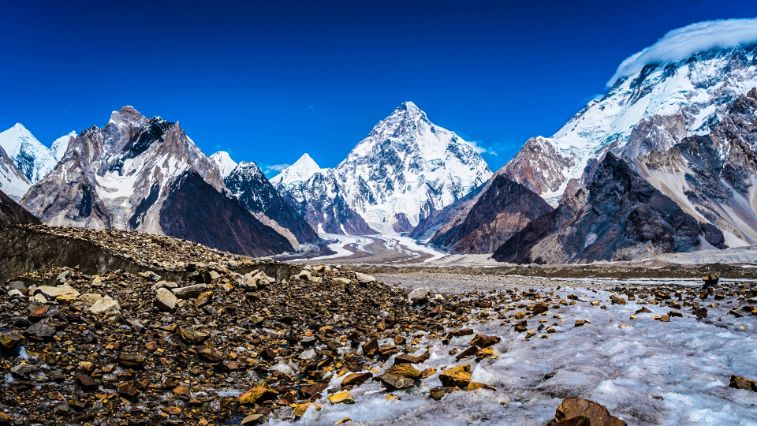
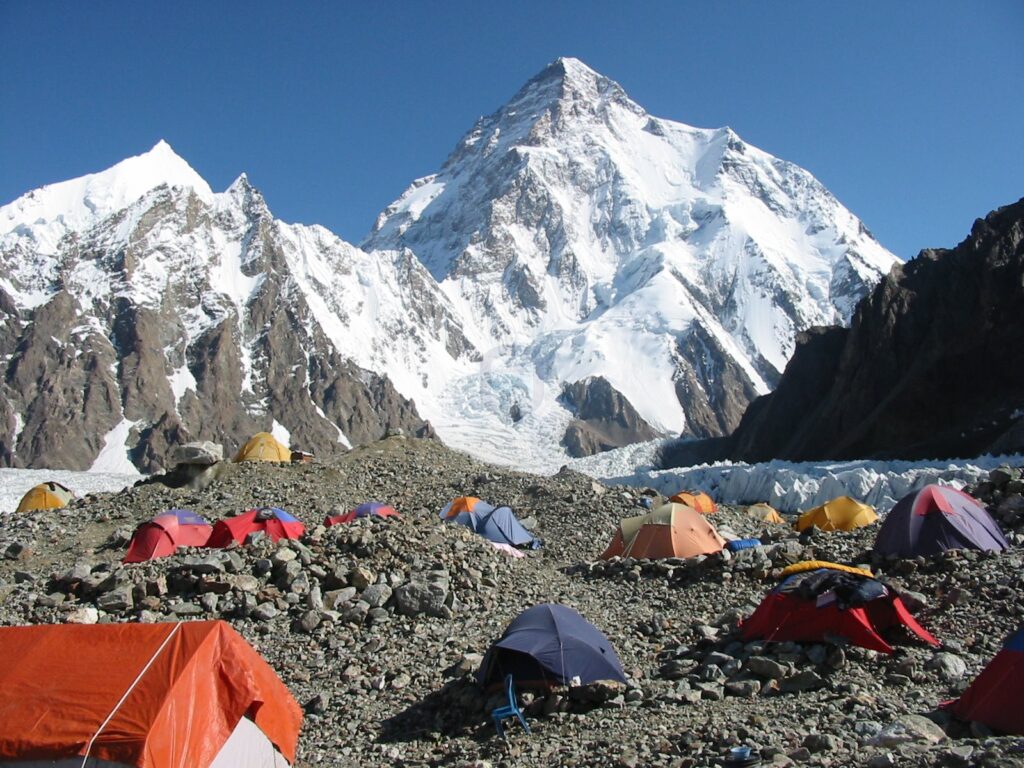
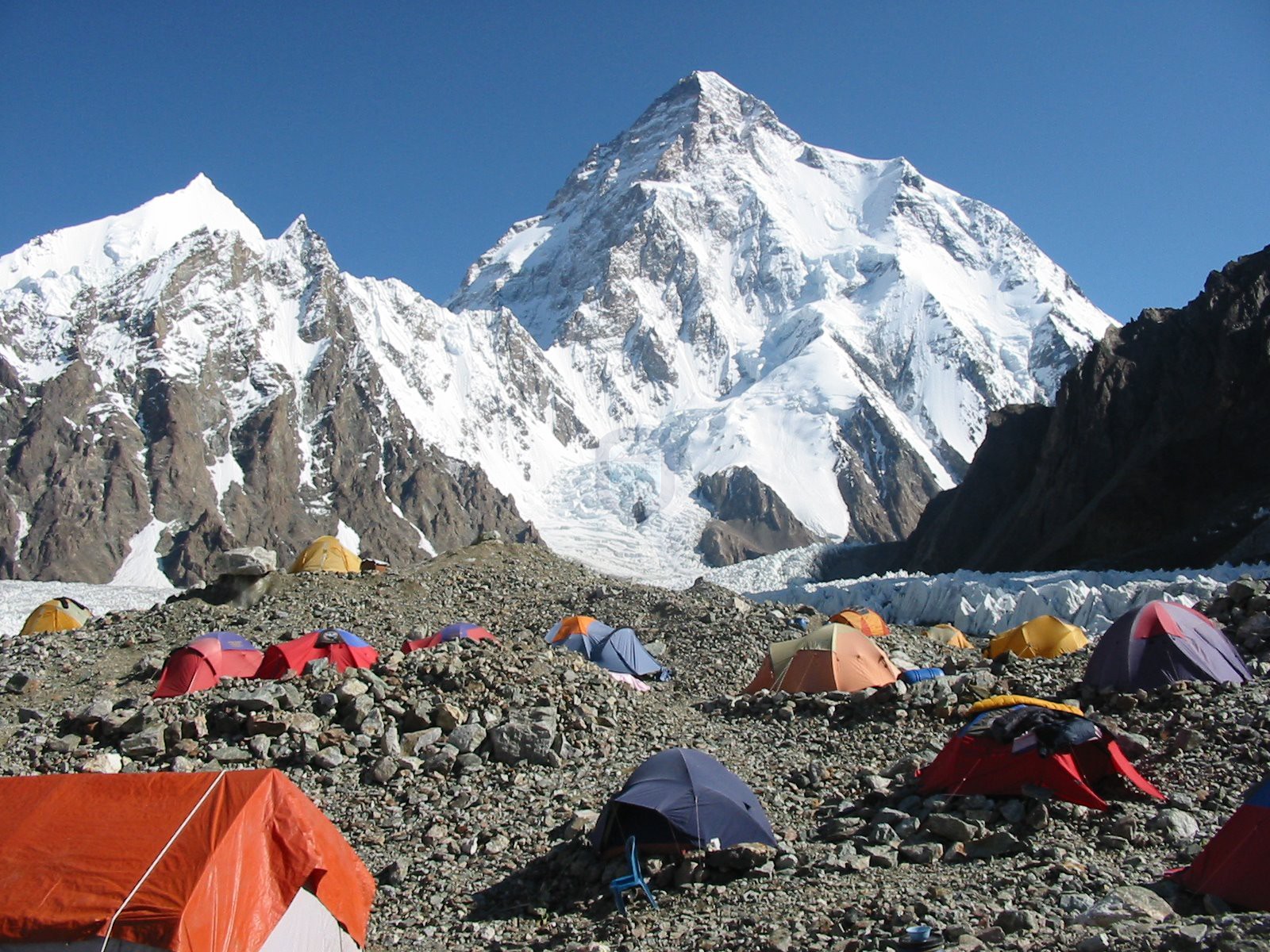
    The journey to the summit begins at K2 Base Camp, a bustling hub for climbers and their support teams. K2 is approximately 5,150 meters (16,900 feet) high, and the base camp provides stunning views of the Baltoro Glacier and surrounding peaks. It is a critical acclimatization point where climbers prepare for the grueling ascent.

    The trek to the base camp itself is a remarkable adventure. It takes visitors through Concordia, a convergence of some of the world’s tallest peaks. The site also highlights the camaraderie among Pakistan’s climbers, porters, and tour operators.

    Dive deeper into the culture and stories of the region in our blog on Exploring the Local Communities Around K2.

    K2 Mountain: History and Significance

    The history of K2 is filled with remarkable milestones and tragic tales. In 1954, an Italian expedition led by Achille Compagnoni and Lino Lacedelli made its first successful ascent, marking a turning point in mountaineering history.

    Since then, K2 has become a symbol of human resilience and determination. Despite its challenges, it continues to attract climbers from around the globe, cementing its status as one of the most iconic peaks in the world.

    K2 Pakistan: A National Treasure

    K2 is more than just a mountain for Pakistan—it’s a national pride. Its inclusion in the country’s tourism campaigns has helped promote adventure tourism. Tour operators in Pakistan work tirelessly to provide excellent service, ensuring visitors have a quality time exploring the region.

    Additionally, efforts are being made to preserve the mountain’s natural beauty by promoting sustainable tourism practices. K2 is a climber’s paradise and a testament to Northern Pakistan’s incredible landscapes.

    Challenges of Climbing K2

    Climbing K2 is not for the faint-hearted. The steep ridges, sheer ice walls, and high altitude present many physical and mental challenges. Even the descent is perilous, as bad weather and exhaustion often lead to accidents.

    Climbers commonly use supplemental oxygen to combat the thin air at extreme altitudes. However, even with advanced equipment and skilled guides, the summit of K2 remains elusive for many.

    Cultural Insights: Exploring the Local Communities Around K2

    Natural Beauty Surrounding K2

    The region around K2 is home to some of the most breathtaking landscapes in the world. The Baltoro Glacier, Godwin Austen Glacier, and the surrounding peaks form a dramatic backdrop. Trekkers and climbers alike are treated to unparalleled views, making the journey to K2 as rewarding as the climb.

    Planning Your Journey to K2

    Planning is critical for those inspired to witness the majesty of K2. The best time to visit is between June and August, when weather conditions are relatively stable. Partnering with a reputable travel agency or tour operator in Pakistan ensures a seamless experience, from obtaining permits to organizing logistics.

    Conclusion

    K2 is more than just a mountain; it is a testament to the indomitable human spirit. Its towering presence, coupled with its deadly allure, continues to captivate adventurers and enthusiasts worldwide. Whether you’re a climber aiming for the summit or a traveler marveling at its beauty, K2 offers an unparalleled experience in the heart of the Karakoram Range.

  • The K2 Mountain : Facts, Challenges, and History

    The K2 Mountain : Facts, Challenges, and History

    Nestled in the heart of the Karakoram Range, K2 stands as the world’s second-highest mountain, earning its reputation as one of the most formidable peaks. Often referred to as the “Savage Mountain,” K2 has captivated the imagination of climbers, explorers, and adventurers worldwide. From its towering heights to its deadly slopes, K2 is a marvel of nature, steeped in history and challenges. Let’s dive deep into the fascinating world of K2 Mountain.

    The Geography of K2

    Location and Surroundings

    K2 is located in the Karakoram Range, part of the greater Himalayas, straddling the borders of Pakistan and China. The mountain rises majestically from the Baltoro Glacier, one of the world’s longest glaciers outside the polar regions. The journey to K2’s base camp takes adventurers through Concordia, a breathtaking confluence of some of the world’s highest peaks.

    This region is a climber’s paradise and an ecological wonder. The locally known as Chogori, meaning “King of Mountains,” dominates the skyline, leaving visitors in awe of its grandeur.

    Why It’s Called the Savage Mountain

    K2 earned the nickname “Savage Mountain” due to its unforgiving conditions and high fatality rate. Unlike Everest, K2 offers no easy route to the summit, with treacherous icefalls, unpredictable avalanches, and harsh weather making every climb a battle for survival.

    If you’re ready to take on this thrilling ascent, explore our K2 Expedition for a guided adventure.

    Historical Milestones of K2

    Early Exploration and Mapping

    Exploration of K2 first became globally recognized in 1856 when British surveyor Thomas Montgomerie marked it as “K2” during the Great Trigonometrical Survey of India. The name stuck, as no local name was initially recorded.

    The First Ascent

    The first successful ascent of K2 occurred in 1954, led by an Italian expedition team. Lino Lacedelli and Achille Compagnoni reached the summit via the Abruzzi Spur route. Their victory was not without challenges—extreme cold, high-altitude sickness, and technical difficulties tested the climbers to their limits.

    Notable Expeditions

    Over the decades, K2 has witnessed both triumphs and tragedies. Legendary climbers such as Reinhold Messner and Wanda Rutkiewicz attempted to conquer it. However, it remains one of the least-climbed peaks among the eight thousand, with a success rate significantly lower than Mount Everest’s.

    Discover the differences in our detailed K2 vs Everest blog.

    K2 Base camp Trek

    Fascinating Facts About K2

    Second Highest, But Deadlier

    At 8,611 meters (28,251 feet), K2 is the second-highest peak after Mount Everest. However, it is far more dangerous, with a fatality rate of approximately 25%. For every four climbers who reach the summit, one does not return.

    Extreme Weather

    K2’s weather is notoriously unpredictable. Sudden storms, temperatures plummeting to -60°C (-76°F), and hurricane-force winds make it one of the most challenging peaks to climb.

    Climbing Routes

    The Abruzzi Spur is the most popular and safest climbing route, but even it demands immense technical skill. Other routes, such as the Cesen Route and the North Ridge, are less frequented due to their extreme difficulty and higher risk of avalanches.

    The Challenges of Climbing K2

    Technical Difficulty

    K2’s slopes are steeper and more technically demanding than most other eight-thousanders. Climbers must navigate sheer rock faces, narrow ridges, and icy walls, requiring advanced mountaineering skills.

    Altitude Sickness and Oxygen Deprivation

    The lack of oxygen at such high altitudes greatly strains the human body. Climbers often suffer from acute mountain sickness, which can lead to life-threatening conditions like cerebral edema or pulmonary edema.

    Unpredictable Weather

    The weather on K2 can change in minutes, and storms can last weeks. Climbers often have a very narrow weather window to make their summit attempt.

    Descent Challenges

    Most accidents on K2 occur during the descent. Exhaustion, disorientation, and poor visibility increase the risk of falls and avalanches.

    k2 mountain

    Cultural and Ecological Significance

    Local Legends and Beliefs

    K2 holds a special place in the culture of the Balti people. Locals call it the “King of Mountains,” symbolizing power and mystery. While mountaineers see it as a challenge, the local community reveres it.

    Environmental Concerns

    The influx of climbing expeditions has raised concerns about the environmental impact on the fragile ecosystem. Efforts are being made to promote sustainable mountaineering practices, such as waste management and reduced human activity.

    Planning an Expedition to K2

    Preparation and Training

    Climbing K2 is not for the faint-hearted. It requires months of physical and mental preparation. Climbers must train for endurance, strength, and high-altitude survival skills.

    Logistics and Costs

    Organizing a K2 expedition involves obtaining permits, hiring local guides, and arranging supplies. The cost can range from $20,000 to $50,000, making it a significant financial commitment.

    Best Time to Climb

    The ideal time to climb K2 is during the summer (June to August) when weather conditions are relatively stable. Even then, climbers must remain vigilant and flexible with their plans.

    Stories from K2

    K2 has been the backdrop for countless inspiring and tragic tales. The 2008 climbing season, often called the “K2 Tragedy,” lost 11 climbers due to avalanches and miscommunication. On the flip side, stories of climbers who overcame insurmountable odds to reach the summit continue to inspire adventurers.

    Conclusion

    K2 is more than just a mountain; it is a testament to the resilience and determination of those who dare to challenge it. Its towering presence, rich history, and unparalleled challenges make it a symbol of nature’s raw beauty and power. For climbers and enthusiasts, K2 represents the ultimate adventure—a journey that pushes the boundaries of human capability.

    Suppose you dream of experiencing the majesty of the Karakoram Range. In that case, whether as a climber or a traveler, K2 awaits you with open arms.

  • Why K2 is Deadlier Than Everest: A Detailed Analysis

    Why K2 is Deadlier Than Everest: A Detailed Analysis

    K2 and Everest are two of the world’s most famous and awe-inspiring mountains, revered by adventurers and mountaineers alike. Everest, the tallest mountain on Earth, is a dream climb for many, while K2, the second-highest peak, is often called the ultimate challenge. Known as the “Savage Mountain,” K2 is infamous for its dangerous conditions, steep technical routes, and extreme weather, making it far more perilous than Everest. For those seeking a thrilling journey, a guided K2 Expedition is the perfect way to experience this iconic peak’s untamed beauty and formidable challenges.

    Everest vs. K2: A Comparison of Geography and Elevation

    Location and Mountain Ranges

    K2 lies in the Karakoram Range, part of the greater Himalayas, and straddles the border between Pakistan and China. Rising majestically above the Baltoro Glacier, it is surrounded by dramatic landscapes and neighbouring peaks like Broad Peak and Gasherbrum. In contrast, Mount Everest is situated in the Himalayas on the border of Nepal and China, with the vast Tibetan Plateau as its backdrop.

    Elevation Facts

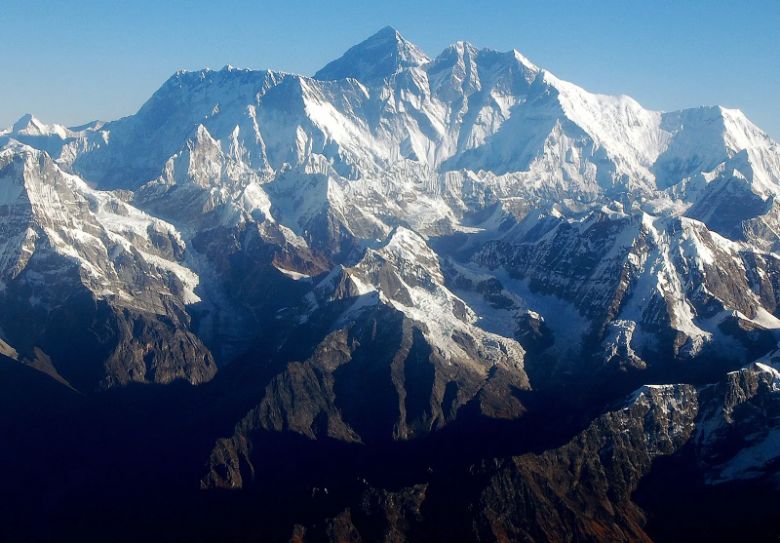
    At 8,849 meters (29,032 feet), Everest claims the title of the tallest mountain on Earth. K2 follows closely at 8,611 meters (28,251 feet). However, what K2 lacks in height, it more than makes up for in difficulty, with its sheer steepness and highly technical climbing routes giving it a reputation as one of the deadliest mountains in the world.

    Why K2 is Harder to Climb: Technical Challenges and Dangerous Routes

    Steep Slopes and Treacherous Routes

    Climbing K2 is no ordinary feat. Routes like the Abruzzi Spur and the Bottleneck push climbers to their limits with steep, icy ridges and narrow passages. In comparison, while Everest’s South Col route is challenging, it is more gradual and often includes Sherpa support and fixed ropes.

    Technical Climbing Skills Required

    To scale K2, climbers need advanced ice climbing, crevasse navigation, and rock climbing skills. The mountain leaves no room for error, testing the physical and mental limits of anyone attempting to conquer it.

    K2 Expedition

    Extreme Weather: How K2’s Climate Makes it Deadlier

    Unpredictable Storms and Winds

    K2’s weather is notoriously unpredictable, with storms lasting days or weeks. Hurricane-force winds and whiteouts are common, making progress—and survival—a constant battle.

    Sub-Zero Temperatures

    Even during climbing seasons, temperatures on K2 can drop to an unbearable -60°C (-76°F). Climbers often face frostbite, hypothermia, and equipment failures due to the extreme cold.

    Short Summit Weather Windows

    While Everest offers broader climbing seasons (May and September), K2’s weather only provides a short summit window, typically in July or early August. This adds immense pressure on climbers to ascend and descend quickly, increasing the risks.

    K2’s Lethal Reputation: Death Rates and Fatalities

    High Fatality Rate

    K2’s fatality rate is around 25%, meaning that one in four climbers does not make it back. Everest’s fatality rate is closer to 3%, thanks to better infrastructure, support systems, and easier access.

    Causes of Fatalities on K2

    Most deaths on K2 are due to avalanches, falls, altitude sickness, or sheer exhaustion during the descent. The Bottleneck, a narrow path near the summit with precarious ice overhangs, is particularly deadly and has claimed many lives.

    Historical Expeditions: Tragedies and Triumphs on K2

    K2’s First Ascent and Early Attempts

    K2 was first climbed in 1954 by Italian climbers Lino Lacedelli and Achille Compagnoni via the Abruzzi Spur. This historic achievement marked the beginning of K2’s legendary status.

    Notable Disasters

    The 2008 K2 Tragedy is one of the darkest chapters in mountaineering history, with 11 climbers losing their lives due to avalanches and miscommunication. Events like this highlight the dangers and unpredictability of K2.

    Legendary Climbers

    World-famous climbers such as Reinhold Messner and Wanda Rutkiewicz have taken on K2, adding to its mystique. Their stories of triumph and resilience continue to inspire adventurers worldwide.

    K2 Expedition

    K2 vs. Everest: Raw Wilderness vs. Commercial Climbing

    Everest’s Commercialized Experience

    Everest has become a hub for commercial expeditions, with Sherpa-guided climbs, pre-laid ropes, and comfortable base camps, making it more accessible to a broader range of climbers.

    K2’s Untouched Challenges

    In stark contrast, K2 remains wild and largely untouched by commercial tourism. Its remote location, lack of infrastructure, and sheer difficulty mean only the most skilled and experienced climbers dare to attempt it

    The Psychological and Physical Toll of Climbing K2

    Altitude Sickness and Oxygen Deprivation

    At extreme altitudes, oxygen levels drop drastically. Many climbers on K2 suffer from conditions like acute mountain sickness (AMS), cerebral oedema, or pulmonary oedema, which can be fatal without immediate treatment.

    Mental Resilience Needed

    K2 tests not only physical endurance but also mental strength. Climbers face constant threats of avalanches, extreme weather, and the haunting sight of others who have perished on the mountain. The psychological toll is immense, requiring extraordinary resilience.

    Fascinating Facts About K2 and Everest

    • K2’s Winter Ascent: K2 was the last eight-thousander to be summited in winter, achieved by a Nepalese team in January 2021.
    • K2 is Deadlier: Over 6,000 climbers have summited Everest, but fewer than 400 have reached the top of K2, which is far deadlier.
    • Unique Features: K2’s Bottleneck and Everest’s Hillary Step are iconic yet extremely challenging sections of their respective climbs.

    For an in-depth look into K2’s legacy and formidable nature, explore K2 mountain facts, challenges, and history, highlighting why it stands apart as the ultimate mountaineering test.

    Why K2 is Truly the Savage Mountain

    The Mountain’s Cultural and Local Significance

    Known locally as “Chogori,” meaning “King of Mountains,” K2 holds cultural and spiritual significance for the Balti people.

    Environmental Challenges

    The increasing impact of climate change on glaciers and the environment around K2 poses new risks for climbers and local ecosystems.

    Conclusion

    K2 has rightfully earned its title as the “Savage Mountain.” With its unforgiving weather, high fatality rates, and unmatched technical difficulty, it represents the ultimate challenge for climbers. While Everest attracts thousands of adventurers, K2 symbolises raw wilderness and pure mountaineering.
    For those who dare to dream big, K2 is a testament to the resilience, skill, and courage required to conquer nature’s greatest challenges. Whether you’re a climber or an enthusiast, the Savage Mountain’s legacy is a powerful reminder of the spirit of adventure.

  • Luxury Tour Packages in Pakistan: Experience the Best of Pakistan in Comfort

    Luxury Tour Packages in Pakistan: Experience the Best of Pakistan in Comfort

    Pakistan, a land of stunning natural beauty and rich cultural heritage, has always been a captivating destination for travelers seeking unique experiences. If you’re looking to explore the northern areas of Pakistan in ultimate comfort, luxury tours Pakistan are the ideal choice. These premium tours allow you to discover Pakistan’s breathtaking landscapes, historic landmarks, and vibrant culture while indulging in top-notch services and accommodations. Let’s explore why luxury tours in Pakistan are an experience you shouldn’t miss.

    1. What Makes Our Luxury Tours Stand Out?

    When you opt for a luxury tour package in Pakistan, you’re not just booking a trip but investing in an unforgettable experience. Our luxury tours stand out because they offer a personalized approach to travel. Unlike typical travel packages, we go the extra mile to ensure your journey is smooth, enjoyable, and tailored to your needs.

    From custom itineraries to private tour guides, we focus on delivering excellent service at every step of the journey. Our team understands the importance of providing quality time during your travels, so we offer exclusive services that guarantee comfort, safety, and peace of mind. Whether a day trip or a week-long adventure, our luxury tours make every moment count.

    2 Day Trip to Shogran and Siri Paye Meadows

    2. The Best Luxury Destinations in Pakistan

    Pakistan is home to some of the world’s most picturesque landscapes, and our luxury tour packages allow you to experience the finest spots in absolute comfort.

    Hunza Valley: A Paradise on Earth

    The stunning Hunza Valley is one of the most popular destinations for luxury tours. Known for its pristine landscapes, towering peaks, and turquoise lakes, Hunza offers a surreal escape from the hustle and bustle of everyday life. As you explore this northern area, you will be treated to excellent service in luxury hotels and resorts. From the moment you arrive, you will be greeted by your tour guide, who will provide detailed insights into the valley’s rich culture and history.

    Attabad Lake: A Gem of Northern Pakistan

    A visit to Attabad Lake is a must for anyone traveling to northern Pakistan. Created after a massive landslide in 2010, the lake is now one of the most stunning natural wonders in the region. Its clear blue waters, surrounded by snow-capped mountains, make it the perfect spot for a relaxing boat ride or a peaceful picnic. Our luxury tour packages offer private boat rides and other exclusive activities on Attabad Lake, ensuring you experience its beauty without the crowds.

    Skardu and Gilgit: The Ultimate Adventure

    Skardu and Gilgit are among the most sought-after destinations in northern Pakistan for travelers looking for adventure and comfort. These regions offer everything from breathtaking views of K2, the second-highest mountain in the world, to serene lakes and valleys that seem to come out of a dream. With our luxury tours, you’ll stay in the finest accommodations and have access to private treks and guided explorations of these incredible areas.

    3. Luxury Accommodations Included in Our Packages

    Accommodations are a significant part of the luxury experience. Our tours include stays in top-rated hotels and resorts where guests can relax in style and comfort. Whether enjoying a cozy mountain retreat or staying in a five-star hotel in the heart of a bustling city, our tours ensure that your accommodation is nothing short of spectacular.

    For example, in Hunza Valley, you can stay at resorts that offer panoramic views of the Hunza Valley mountains. In Skardu, we provide access to some of the region’s most luxurious and exclusive resorts. Every property has been carefully selected to provide comfort, privacy, and a high level of service, ensuring your stay is as enjoyable as the sights you’ll be exploring.

    4. Personalized Services for a Memorable Experience

    One of the main reasons previous travelers highly recommend our tour operator in Pakistan is our personalized service. Our tour guides are not just knowledgeable; they are passionate about sharing the best of Pakistan with visitors. They will cater to your needs, provide detailed insights into the local culture, and ensure that your itinerary is exactly what you’re looking for.

    Furthermore, we offer private transportation, ensuring you travel comfortably and in style throughout your trip. Whether you’re being driven through the scenic routes of northern Pakistan or whisked away to your next destination in a luxury vehicle, you can rest assured that every aspect of your journey is taken care of.

    Nanga Parbat Base Camp Trek

    5. Luxury Tour Activities in Pakistan

    Our luxury tours have various exclusive activities to make your trip memorable. Imagine enjoying a day tour to the serene Siri Paye meadows, where you can take in the beauty of the landscape, enjoy a picnic, and even try your hand at horseback riding. We also offer customized trekking experiences that allow you to explore the beauty of northern areas while still maintaining comfort and luxury.

    If you’re looking for more adventure, we can arrange helicopter tours of some of Pakistan’s most stunning mountain ranges, including K2. Our packages can be customized for a truly exclusive experience, including activities like private dining at remote mountain locations or a VIP tour of historical landmarks.

    6. Dining and Cuisine on Luxury Tours

    Every luxury tour is complete with an exceptional dining experience. Pakistan is famous for its rich culinary heritage, and our luxury tour packages include gourmet meals that showcase the best of Pakistani cuisine. From fine dining at top hotels to private meals prepared by renowned chefs, you’ll enjoy the finest food during your journey. We can even arrange specialized meals to meet dietary preferences, ensuring that your food experience is as memorable as the destinations you visit.

    7. What’s Included in Our Luxury Tour Packages?

    Every Pakistan tour package we offer is designed to provide a seamless and luxurious travel experience. Our packages typically include:

    • Luxury transportation
    • Five-star accommodations
    • Private tours with expert guides
    • Exclusive activities like private boat rides on Attabad Lake or Siri Paye
    • Gourmet meals
    • 24/7 customer service for any assistance

    We handle all the details so you can focus on enjoying your time in northern Pakistan. Whether booking a day trip or a more extended vacation, our luxury tour packages are designed to give you the best experience possible.

    8. Testimonials from Happy Clients

    Our clients consistently give us glowing feedback, and we’re proud to have built a reputation as one of the best operators in Pakistan. Visitors have shared how they had a fantastic tour filled with incredible memories, all thanks to our attention to detail and commitment to exemplary work. Many have also mentioned how our excellent service and tour guides made their experience even more special.

    Conclusion

    If you’re looking to explore Pakistan’s breathtaking beauty while enjoying the finest luxuries, our luxury tour packages are the perfect choice. From the serene waters of Attabad Lake to the majestic peaks of Hunza Valley and Skardu, our tours provide an unmatched combination of comfort, adventure, and cultural immersion. Discover the must-visit destinations in Pakistan, where you can relax, explore, and indulge in the country’s natural and cultural treasures. Let us take you on an unforgettable journey. Contact us today to book your luxury Pakistan tour package and experience travel like never before.

  • Naran Kaghan Valley Pakistan – Travel Guide & Tour Information 2024

    Naran Kaghan Valley Pakistan – Travel Guide & Tour Information 2024

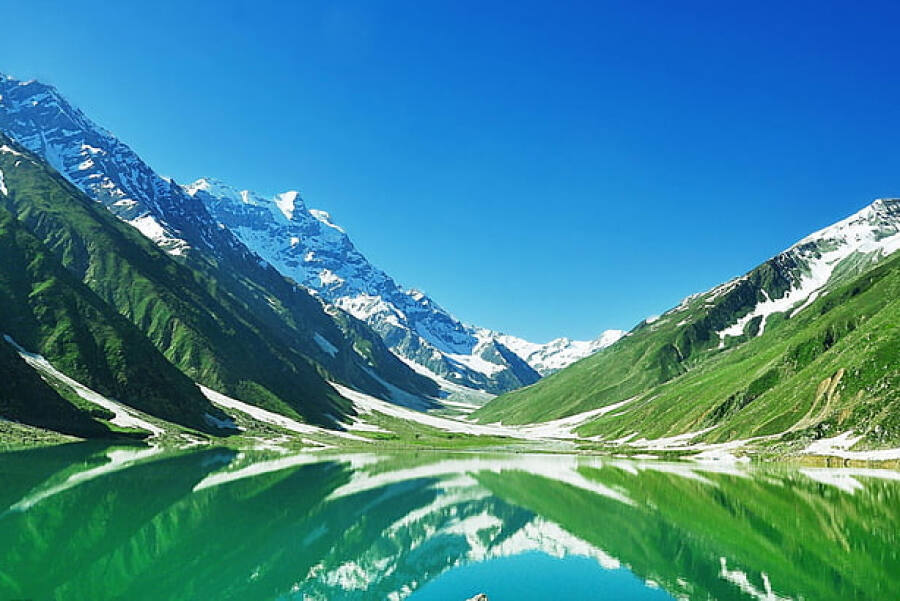
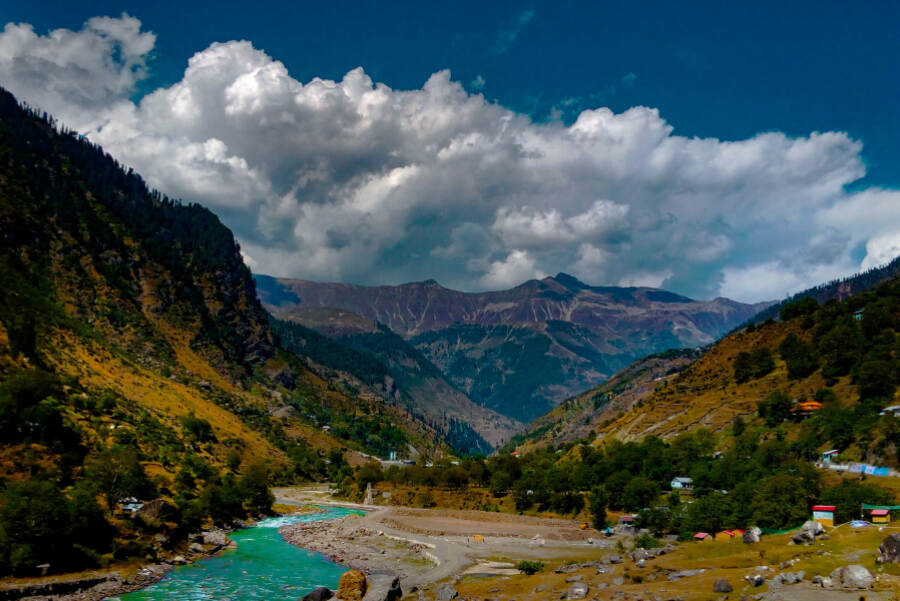
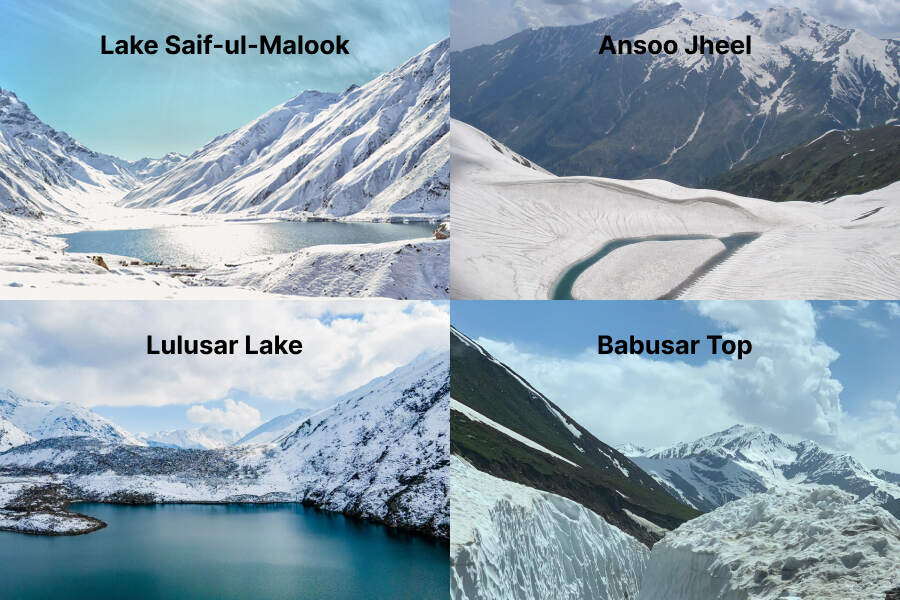
    Nestled in the serene northern highlands, the Naran and Kaghan Valley is the perfect escape from the hustle and bustle of city life. The area is famous for its breathtaking attractions, including the enchanting Lake Saif-ul-Malook, the tear-shaped Ansoo Jheel, the majestic Babusar Top, and the serene Lulusar Lake. With such natural wonders, it’s no surprise that this valley has become a centerpiece of Pakistan’s tourism.

    Introduction to Naran Kaghan Valley

    naran kaghan places to visit

    Where is Naran Kaghan Valley Located?

    Weather in Naran Kaghan

    Seasonal Weather Overview for Naran Kaghan

    SeasonMonthsTemperature RangeHighlights
    SpringMarch – April5°C to 15°CBlooming flowers, moderate weather, fewer tourists.
    SummerMay – September10°C to 25°CPerfect for sightseeing, trekking, and exploring attractions like lakes.
    AutumnOctober – November5°C to 15°C (dropping)Crisp air, golden landscapes, ideal for photographers.
    WinterDecember – February-10°C to 0°CHeavy snowfall, frozen lakes, serene white landscapes, and fewer tourists.

    Best Time to Visit Naran Kaghan Valley

    How to Reach Naran Kaghan Valley

    By Road

    By Public Transport

    MethodDetails
    By Road from IslamabadApproximately 240 km; takes 5-6 hours via the Hazara Motorway (M-15). Beautiful scenic route with stops for food and rest.
    Public TransportBuses and vans available from Islamabad and Rawalpindi. Transfer to local vans or jeeps at Balakot to reach Naran.
    Renting a Car or JeepAvailable in Islamabad and Abbottabad. A 4×4 jeep is recommended for exploring off-road areas.
    From AbbottabadAround 160 km, taking 4-5 hours. Offers a scenic drive through mountains.
    Distance from GilgitApproximately 8-9 hours by car. Ideal for combining Gilgit-Baltistan and Naran Kaghan Valley in one trip.

    naran kaghan lakes

    Lake Saif-ul-Malook

    Ansoo Jheel Naran Kaghan

    Lulusar Lake

    Babusar Top

    Things to Do in Naran Kaghan

    Naran Kaghan Weather and Seasonal Highlights

    kaghan naran valley

    Accommodation in Naran Kaghan Valley

    Hotels in Naran Kaghan

    Camping in Naran Kaghan

    Camping kaghan  naran

    Recommended Itineraries for Naran Kaghan

    2-Day Trip to Naran Kaghan

    3-Day Trip to Naran Kaghan

    5-Day Itinerary for a Comprehensive Experience

    Naran Kaghan Tour Packages and Costs

    Local Food and Culture of Naran Kaghan

    Eco-Tourism in Naran Kaghan Valley

    Naran Kaghan Valley

    Naran Kaghan in Pictures: Beautiful Places to Explore

    Conclusion

  • What Makes the K2 Base Camp Trek One of the World’s Most Challenging Adventures?

    What Makes the K2 Base Camp Trek One of the World’s Most Challenging Adventures?

    The Enigmatic Allure of K2: The Savage Mountain

    The Journey Begins: From Skardu to Askole

    Overview of the K2 Base Camp Trek

    Trek SegmentDescriptionKey Highlights
    Skardu to AskoleStarting point to reach the last inhabited villageRemote landscapes and rugged drive
    Baltoro GlacierTrekking on one of the longest glaciersIcy terrain, massive rock formations
    ConcordiaKnown as the “Throne Room of the Mountain Gods”360° views of four of the world’s 14 highest peaks
    K2 Base CampFinal destination of the trekUp-close view of K2’s towering peak

    What Makes This Trek So Challenging?

    Ultimate Guide to K2 Base Camp Trek
    K2 Base Camp Trek
    K2 Base Camp Trek safety Tips
    K2 Base Camp Trek
Translate »

Proceed Booking