Tag: Nanga Parbat Trek

  • Trekking Solo vs. Guided Tour: Pros and Cons for Nanga Parbat

    Trekking Solo vs. Guided Tour: Pros and Cons for Nanga Parbat

    Imagine standing at the foot of Nanga Parbat, looking up at its towering peaks that pierce the sky, surrounded by the stunning beauty of glaciers, lush meadows, and untouched wilderness. For many trekkers, Nanga Parbat is the ultimate bucket-list destination. But when it comes to exploring this magnificent mountain, there’s a big decision to make: Should you embark on the adventure solo or go for a guided tour?

    Both options offer unique experiences but have different pros and cons. In this blog, we will explore what it’s like to trek Nanga Parbat alone versus with a guide. Whether you’re a seasoned hiker or just starting out, this guide will help you decide which option suits your adventure style.

    What’s It Like to Trek Solo on Nanga Parbat?

    Trekking solo on Nanga Parbat is all about personal freedom and adventure. It’s just you, your backpack, and the mountain. No one else’s pace or plans. You get to decide when to rest when to push on, and what route to take.

    It sounds liberating, right? But, like anything, it comes with its own set of challenges.

    Pros of Trekking Solo on Nanga Parbat

    • Freedom to Choose

    When you trek solo, you’re in full control. Want to take a long break at a scenic spot? Go for it. Feel like pushing yourself a little harder today? You can do that too. It’s your journey, and you set the pace.

    • Personal Growth and Achievement

    There’s something incredibly rewarding about relying solely on yourself to navigate a challenging trek. Every step you take, every hurdle you overcome, feels like a personal triumph. And let’s be real, there’s nothing more satisfying than standing at the summit and thinking, “I did this alone!”

    • A More Intimate Connection with Nature

    You get a deeper connection with the mountain without a group or guide to distract you. You’re not just passing through; you’re living it. The crisp mountain air, the sound of distant streams, and the towering cliffs become a part of your story.

    • Lower Costs

    Trekking solo can save you a lot of money if you’re travelling on a budget. You won’t have to pay for a guide, transportation, or group accommodations. You only pay for essentials like food, water, and camping gear.

    • Adventure and Exploration

    There’s something magical about exploring a new place on your own terms. You can choose where to go, how to get there, and which hidden gems you want to discover. It’s all about the thrill of the unknown.

    nanga parbat
    nanga parbat

    Cons of Trekking Solo on Nanga Parbat

    • Safety Risks

    Nanga Parbat is famously one of the most dangerous mountains in the world. Trekking alone means you’re 100% responsible for your own safety. If you get injured or run into trouble, you don’t have immediate help. It’s crucial to be prepared and know your limits.

    • Navigational Challenges

    While Nanga Parbat has some well-marked routes, it’s still a rugged and remote mountain. You risk getting lost if you don’t have extensive trekking experience or a map. Without local knowledge, finding your way in unpredictable weather can be tough.

    • Physical and Mental Strain

    Trekking solo is hard work. You’re carrying all your gear and making all the decisions independently. You’ll likely face moments of doubt or exhaustion, especially when the going gets tough. Some people thrive on this challenge, but it can feel overwhelming for others.

    • Lack of Social Interaction

    Trekking alone means no one to share the experience with. You won’t have anyone to laugh with during a rest break or share stories with at the end of the day. This solitude is a blessing for some, but for others, it might feel a bit lonely after a while.

    • Missing Local Insights

    A guide can teach you about the local culture, history, and even the natural world around you. Trekking solo means you’ll miss out on these enriching experiences. You might also not know about the best places to rest or camp that could make your trek more enjoyable.

    nanga-parbat
    nanga-parbat

    What About Going on a Guided Tour of Nanga Parbat?

    A guided tour is a different way to experience Nanga Parbat. It’s not just about walking from point A to point B; it’s about having an expert who knows the mountain inside out, helping you get the most out of your adventure.

    Let’s examine what makes a guided tour stand out and some of the reasons why it might not be for everyone.

    Pros of a Guided Tour on Nanga Parbat

    • Safety and Support

    The biggest advantage of a guided tour is the added safety. Your guide will be trained to handle any situation, whether dealing with bad weather, an injury, or tricky terrain. They’ll have the experience to keep you safe and prepare you for the trek ahead.

    • Expert Knowledge

    Guides are often locals who have been trekking these paths for years. They know the best spots to stop, the safest routes, and the most interesting places to visit. Plus, you’ll learn about the region’s culture, history, and wildlife, which can make your journey much richer.

    • Logistics Handled for You

    Forget about worrying about permits, food, or where to camp. With a guided tour, everything is taken care of. Your guide will handle the details so you can focus on enjoying the journey. This can be a relief, especially if you’re new to the area or trekking in remote locations.

    • Physical Support and Pacing

    Trekking in high-altitude conditions can be tough, especially for those not used to it. A guide will help set the right pace to avoid exhaustion and altitude sickness. They’ll also help with carrying gear and dealing with any physical challenges that come up along the way.

    • Camaraderie and Group Motivation

    If you love meeting new people and sharing experiences, trekking with a group can be a lot of fun. You’ll make new friends and share the highs and lows of the trek together. There’s something special about the bond that forms when you’re all in the same boat, so to speak.

    nanga parbat base camp
    nanga parbat base camp

    Cons of a Guided Tour on Nanga Parbat

    • Less Flexibility

    With a guided tour, you don’t have the same freedom as you would solo. The itinerary is set, and you must follow the group’s pace. If you want to stay longer at a particular spot or take a detour, you might not have that option.

    • Cost

    Guided tours can be expensive. You’ll pay for the guide, food, transportation, and other group expenses. While the experience might be worth the cost for some, it can be pricier than trekking solo, especially for those on a tight budget.

    • Group Dynamics

    Trekking with a group means spending time with others, which might not always be ideal. Some people love the social aspect of group trekking, but the group dynamic can be a bit draining for others. You’ll have to adjust to the group’s pace, which might not always match your own.

    • Less Personal Space
    • When you’re with a group, there’s less time for solitude. You’ll be sharing campsites, meals, and even the trail with others. If you value personal space and quiet moments, this might feel overwhelming.
    • Pre-Planned Itinerary

    The itinerary is already set, so you can’t change plans on the fly. For some, this is great because it removes the stress of planning, but for others, it can feel a bit too structured.

    Which Is Right for You? Trekking Solo or Guided Tour?

    The choice between solo trekking and a guided tour comes down to your preferences and experience level. Here’s a quick guide to help you decide:

    Choose Solo Trekking If:

    • You’re looking for freedom and independence.
    • You have experience with high-altitude trekking and navigating rough terrain.
    • You enjoy solitude and personal challenges.
    • You want to save money and handle everything on your own.

    Choose a Guided Tour If:

    • You value safety and support from an experienced guide.
    • You’re new to trekking or not confident navigating tough terrain alone.
    • You enjoy learning about the local culture and history from an expert.
    • You want a more relaxed, stress-free experience without worrying about logistics.

    Final Thoughts: Make the Most of Your Nanga Parbat Adventure

    Whether you decide to trek solo or go with a guide, Nanga Parbat offers an incredible adventure that will leave you with unforgettable memories. The choice is yours, but remember that both paths lead to the same majestic summit. So, whichever way you choose to take on Nanga Parbat, know that you’re in for one of the greatest trekking experiences on the planet.

  • Nanga Parbat vs. K2: Comparing Pakistan’s Most Iconic Treks

    Nanga Parbat vs. K2: Comparing Pakistan’s Most Iconic Treks

    Pakistan is home to some of the most breathtaking mountains in the world, and two of its most famous peaks are Nanga Parbat and K2. Both are towering giants, offering adventurers the chance to experience the beauty of the Himalayas and the Karakoram range. But when it comes to trekking around these iconic mountains, how do they compare?

    If you’re wondering whether to trek to Nanga Parbat or K2, this guide will help you decide. Let’s dive into the details, explore the beauty of these majestic mountains, and see what makes each trek unique.

    An Overview: Nanga Parbat and K2

    Nanga Parbat

    • Location: Gilgit-Baltistan, western Himalayas.
    • Height: 8,126 meters (26,660 feet), the 9th highest mountain in the world.
    • Nickname: “The Killer Mountain.”
    • Famous For: Fairy Meadows, stunning valleys, and accessible treks.

    Nanga Parbat is famous for its striking landscapes and serene beauty. The mountain, surrounded by lush green meadows and icy glaciers, offers a trekking experience that feels magical and almost dreamlike.

    K2

    • Location: Gilgit-Baltistan, Karakoram Range.
    • Height: 8,611 meters (28,251 feet), the 2nd highest mountain in the world.
    • Nickname: “The Savage Mountain.”
    • Famous For: Rugged beauty, challenging expeditions, and dramatic landscapes.

    K2 is often described as a mountain of extremes. It towers over the rugged Karakoram range, creating an awe-inspiring sight that has fascinated climbers and trekkers for decades.

    nanga parbat
    nanga parbat

    Trekking to Nanga Parbat

    Highlights of the Nanga Parbat Trek

    Nanga Parbat’s trekking routes blend serenity and adventure. The most popular route takes you to Fairy Meadows, a lush green plateau offering panoramic mountain views.

    • Fairy Meadows Trek: This beginner-friendly trek has dense pine forests, colourful wildflowers, and stunning glacier views.
    • Base Camp Trek: From Fairy Meadows, trekkers can continue to the Nanga Parbat Base Camp, which offers up-close views of the towering peak.
    • Rupal Face Route: This route, for seasoned hikers, takes you to the dramatic southern face of the mountain, known as the tallest vertical wall in the world.

    Each route reveals a new side of Nanga Parbat, from tranquil meadows to rugged cliffs. The trek is perfect for those who love exploring diverse landscapes while staying close to nature.

    Why Choose Nanga Parbat?

    • Accessibility: The trek is suitable for beginners and families.
    • Variety of Landscapes: From meadows to glaciers, every step is scenic.
    • Cultural Encounters: Meet the warm Balti people and experience their hospitality.

    Nanga Parbat is an excellent choice for those seeking a peaceful and rewarding trek without too much physical strain.

    Trekking to K2

    Highlights of the K2 Trek

    The trek to K2, often called the Baltoro Glacier Trek, is a true test of endurance and spirit. It’s not for the faint-hearted but promises unparalleled rewards.

    • Baltoro Glacier Trek: This 12-15 day trek takes you through one of the longest glaciers outside the polar regions, surrounded by towering peaks.
    • Concordia: Known as the “Throne Room of the Gods,” this campsite offers 360-degree views of K2 and other iconic peaks like Broad Peak and Gasherbrum.
    • K2 Base Camp: The final destination of the trek, where climbers begin their ascent to the summit.

    The K2 trek offers a feeling of adventure that few places can match. It’s a journey that pushes you physically but rewards you with unparalleled natural beauty.#

    The Majestic K2 Mountain A Detailed Exploration of K2
    The Majestic K2 Mountain A Detailed Exploration of K2

    Why Choose K2?

    • Unmatched Adventure: It’s one of the world’s most challenging and rewarding treks.
    • Majestic Peaks: Surround yourself with some of the highest mountains on Earth.
    • Remote Wilderness: Experience a raw, untouched landscape that few people see.

    If you’re ready for a challenge and want to immerse yourself in the wild, the K2 trek is calling your name.

    Comparing the Scenery: Nanga Parbat vs. K2

    Nanga Parbat

    The scenery around Nanga Parbat is softer and more serene. The lush green Fairy Meadows contrast beautifully with the towering, snow-capped peak. Rivers, pine forests, and meadows make this trek feel like a walk through paradise.

    The landscapes are ideal for photographers and nature lovers who want to capture the softer side of mountain life. It’s a peaceful escape into nature’s lap.

    K2

    The landscape around K2 is rugged and dramatic. The Baltoro Glacier is surrounded by jagged peaks and ice-covered terrain, creating a stark yet stunning environment. It’s a land of rock and ice, offering an entirely different beauty.

    Every step of the K2 trek feels like stepping into another world where nature reigns supreme and untamed.

    Difficulty Levels: Which Trek is Harder?

    Nanga Parbat Trek

    • Difficulty: Moderate.
    • Best For: Beginners and intermediate hikers.
    • Challenges: The trek includes steep ascents but is manageable with basic fitness.
    • Altitude: The base camp trek reaches about 4,000 meters (13,000 feet), less likely to cause severe altitude sickness.

    Nanga Parbat offers a balance of challenge and relaxation, making it accessible for most adventurers.

    K2 Base Camp
    K2 Base Camp Trek

    K2 Trek

    • Difficulty: Extremely challenging.
    • Best For: Experienced trekkers and mountaineers.
    • Challenges: The trek requires crossing glaciers, navigating rocky terrain, and enduring long days of walking.
    • Altitude: Concordia is 4,691 meters (15,390 feet), and K2 Base Camp is 5,150 meters (16,896 feet), making acclimatization critical.

    K2 is for those who seek the thrill of conquering one of the world’s most demanding trekking routes.

    Best Time to Trek

    Nanga Parbat

    • Season: May to September.
    • Why This Time? The meadows are lush and green, and the weather is clear for stunning views.

    Fairy Meadows blooms with wildflowers during this period, and the trail to Base Camp is snow-free and welcoming.

    K2

    • Season: June to August.
    • Why This Time? The weather is relatively stable, and the glaciers are more navigable during these months.

    The summer season ensures that trekkers face fewer obstacles and can enjoy the grandeur of the Karakoram at its best.

    Cultural Experiences Around the Treks

    Nanga Parbat

    The trek to Nanga Parbat brings you close to the Balti people, known for their warmth and hospitality. Visitors often enjoy traditional meals like chapati, lentils, and fresh chai (tea) while learning about their mountain lifestyle.

    You can also visit small villages near the trek, gaining insight into the local traditions and their harmonious relationship with nature.

    K2

    The K2 trek also offers cultural encounters, with stops in villages like Skardu. Here, you can immerse yourself in the traditions of the Balti community and explore their rich history.

    Skardu is also a trekking hub with vibrant bazaars and historic sites worth exploring.

    nanga parbat trek

    Wildlife and Nature

    Nanga Parbat

    The lush landscapes around Nanga Parbat are home to wildlife like ibex, marmots, and golden eagles. The area’s greenery adds to its biodiversity.

    Wildflowers bloom in abundance, and the peaceful environment attracts birdwatchers and nature lovers from around the globe.

    K2

    The harsh, icy terrain of K2 hosts unique wildlife like snow leopards and Himalayan ibex. While spotting animals here is rare, the rugged beauty of the environment is unforgettable.

    The pristine glaciers and towering peaks create an untouched and pure ecosystem.

    Costs: Which Trek Fits Your Budget?

    Nanga Parbat

    • Transportation: $50–$100 (road or flight to Gilgit-Baltistan).
    • Accommodation: $10–$30 per night at lodges or campsites.
    • Guide and Porter Fees: $30–$50 per day.
    • Total Estimated Cost: $300–$500.

    It’s an affordable option for trekkers, especially those travelling with families or on a budget.

    K2

    • Transportation: $100–$200 (flight to Skardu).
    • Accommodation: $15–$40 per night (basic lodges).
    • Guide and Porter Fees: $40–$70 per day.
    • Total Estimated Cost: $1,000–$2,000.

    The higher cost reflects the trek’s difficulty and the remoteness of the Karakoram range.

    Which Trek Should You Choose?

    Choose Nanga Parbat If:

    • You’re a beginner or intermediate trekker.
    • You love lush greenery, meadows, and serene landscapes.
    • You want a shorter, less demanding trek.
    • You’re travelling with family or on a budget.

    Choose K2 If:

    • You’re an experienced trekker seeking a challenge.
    • You prefer rugged, icy landscapes.
    • You want to explore one of Earth’s most remote and dramatic areas.
    • You’re prepared for a longer trek and higher costs.

    Final Thoughts: Nanga Parbat vs. K2

    Nanga Parbat and K2 are jewels of Pakistan’s mountains, offering unique and unforgettable trekking experiences. Nanga Parbat enchants with its peaceful beauty and accessible trails, while K2 challenges and rewards with its raw grandeur.

    No matter which trek you choose, you’ll leave with memories of breathtaking landscapes, cultural encounters, and the wonder of nature’s majesty. So, pack your bags, choose your adventure, and get ready to explore the wonders of Pakistan’s most iconic peaks!

  • Nanga Parbat: A Majestic Jewel of the Himalayas

    Nanga Parbat: A Majestic Jewel of the Himalayas

    If you’re searching for a destination where nature feels larger than life, towering mountains touch the skies, and serenity meets adventure, look no further than Nanga Parbat. Known as the “Killer Mountain,” Nanga Parbat is more than just its formidable name. It’s a haven for travellers, adventurers, and dreamers who seek beauty in its purest form.

    This incredible peak is the ninth-highest mountain in the world and a shining gem of the Himalayan range. But what makes it so special? Let’s take a journey to explore the majestic Nanga Parbat and uncover all its wonders.

    What is Nanga Parbat?

    Nanga Parbat, standing tall at 8,126 meters (26,660 feet), is in Pakistan’s Gilgit-Baltistan region. In Urdu, the name “Nanga Parbat” means “Naked Mountain,” referring to its massive, sheer rock faces that are often free of vegetation.

    But don’t let the name fool you. This mountain is surrounded by lush valleys, sparkling rivers, and verdant meadows that make it one of the most breathtaking sights in the world.

    Where is Nanga Parbat Located?

    Nanga Parbat is part of the Himalayan range, nestled in the westernmost corner. Its location in the picturesque Gilgit-Baltistan region makes it accessible yet still remote enough to feel like an untouched paradise.

    Getting to Nanga Parbat is an adventure in itself. Most travellers start their journey in Islamabad, Pakistan’s capital. From there, you can take a road trip along the Karakoram Highway, one of the most scenic routes in the world. Alternatively, fly to Skardu and head towards the mountain via Fairy Meadows or Rupal Valley.

    nanga parbat

    Why is Nanga Parbat Called the ‘Killer Mountain’?

    The nickname “Killer Mountain” comes from its challenging climbs and history of mountaineering tragedies. It’s considered one of the most difficult peaks to conquer, with unpredictable weather and steep routes.

    However, for most visitors who aren’t aiming to climb to the summit, the surrounding areas are perfectly safe and accessible. The nickname only adds to its mystique, making it a thrilling destination for adventure seekers.

    The Scenic Beauty of Nanga Parbat

    When you stand before Nanga Parbat, you are awe-struck by its sheer size and grandeur. The mountain is surrounded by various landscapes that make it truly unique.

    Fairy Meadows: A Slice of Heaven

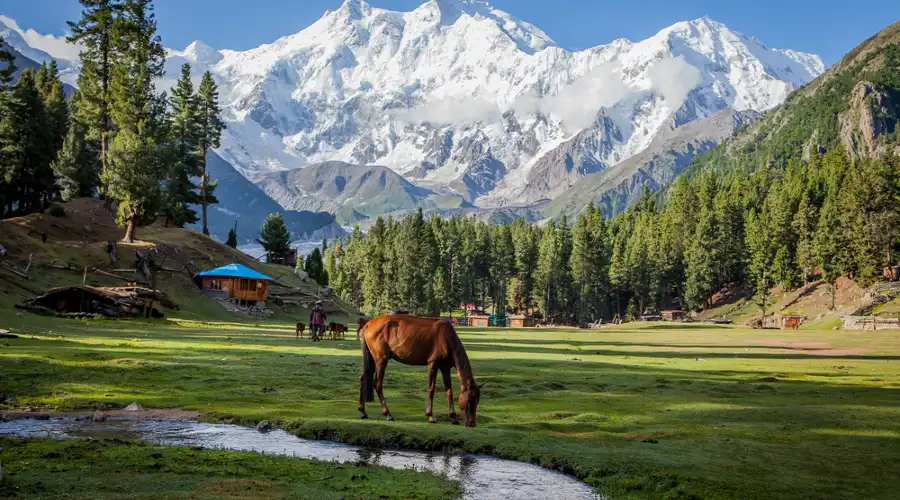
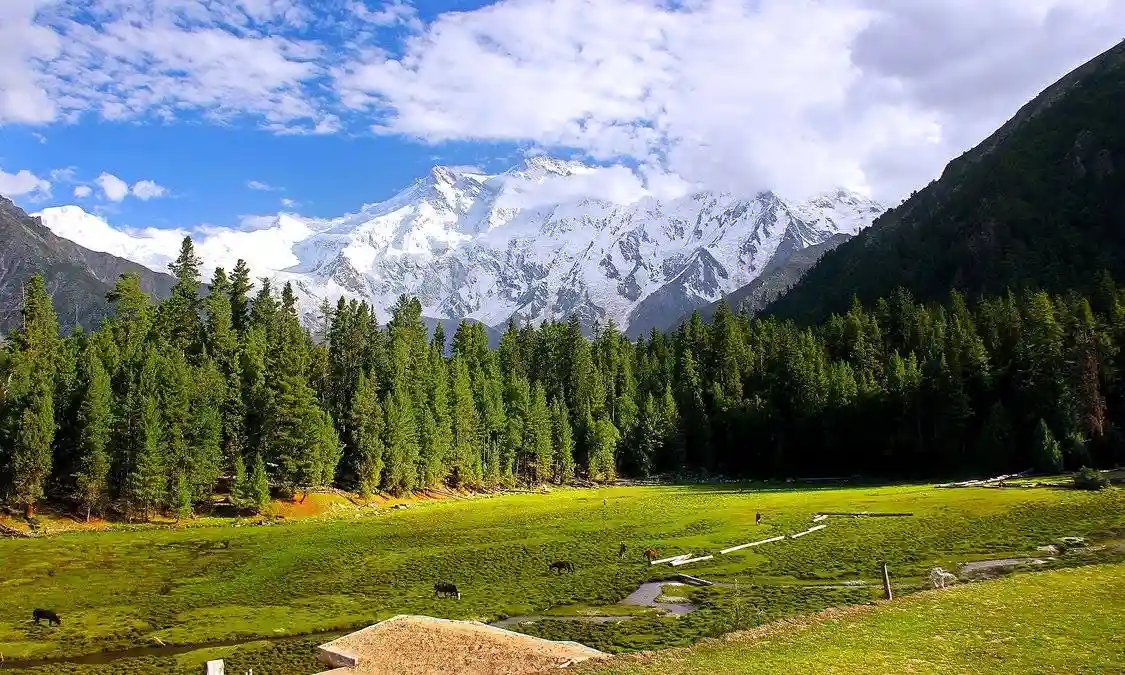
    As the name suggests, Fairy Meadows feels almost magical. This grassy plateau is one of the most famous viewpoints of Nanga Parbat. The lush green meadows are dotted with colourful wildflowers and set against the backdrop of the towering snow-capped peak.

    Visitors often camp here, waking up to the sight of golden sunlight kissing the tip of Nanga Parbat. It’s a serene and unforgettable experience that feels like a dream come true.

    The Rupal Face: The World’s Tallest Wall

    On the southern side of Nanga Parbat lies the Rupal Face, the tallest mountain face in the world. This colossal wall of rock and ice is a sight to behold. It’s a paradise for climbers and photographers who want to capture its rugged beauty.

    Raikot Glacier: A Frozen Wonderland

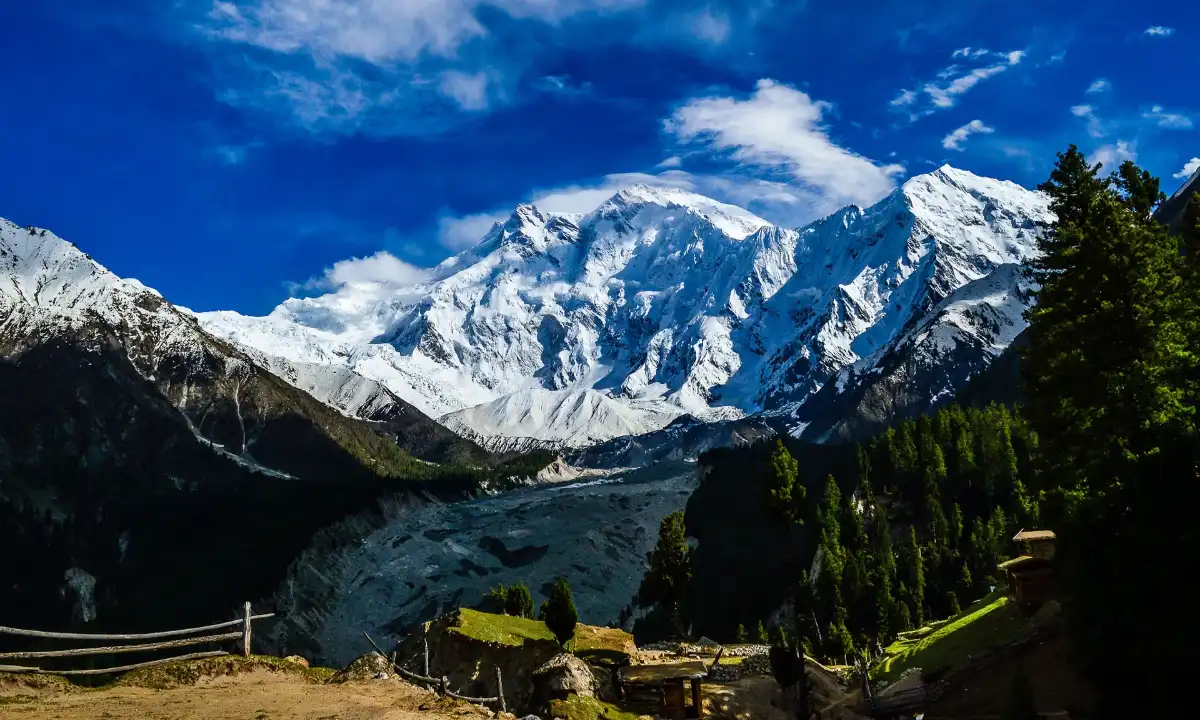
    The Raikot Glacier flows down from the mountain, dramatically contrasting the surrounding greenery. Trekking to the glacier is an adventure that rewards you with breathtaking views of ice fields and crystal-clear streams.

    Diverse Landscapes

    The variety of landscapes you’ll encounter makes Nanga Parbat so enchanting. From dense pine forests to sparkling rivers, from rocky cliffs to wide-open meadows, every turn offers something new.

    nanga parbat

    Best Time to Visit Nanga Parbat

    The best time to visit Nanga Parbat is during the summer months, from May to September. During this time:

    • The weather is pleasant and stable.
    • Trails are free of snow, making trekking easier.
    • The meadows are lush and green, offering stunning views.

    Winter visits are possible but are more challenging due to heavy snowfall and freezing temperatures.

    Activities to Enjoy Around Nanga Parbat

    Trekking and Hiking

    Nanga Parbat offers some of the most exciting trekking routes in the world. The Fairy Meadows trek is perfect for beginners, while the Rupal Face trek is ideal for seasoned hikers. Both routes promise unforgettable views and experiences.

    Camping Under the Stars

    Imagine lying on soft grass, with millions of stars twinkling above and the silhouette of Nanga Parbat in the distance. Camping in Fairy Meadows or near the Base Camp is a must for nature lovers.

    Photography

    With its diverse landscapes, dramatic lighting, and unique features, Nanga Parbat is a photographer’s dream. Whether you’re a professional or use your smartphone, every picture will be Instagram-worthy.

    Cultural Encounters

    The local communities, primarily the Balti people, are warm and welcoming. Their hospitality, delicious traditional food, and fascinating stories add a cultural layer to your adventure. Don’t miss out on trying their chai (tea) and chapati!

    Wildlife Around Nanga Parbat

    The area around Nanga Parbat is home to diverse wildlife. You might spot:

    • Ibex: Majestic mountain goats.
    • Snow Leopards: Rare but occasionally seen.
    • Golden Eagles: Soaring high above the peaks.
    • Marmots: Playful creatures often found in meadows.

    Wildlife enthusiasts will love observing these animals in their natural habitat.

    nanga parbat

    How to Prepare for a Trip to Nanga Parbat

    Fitness and Preparation

    Some fitness level is required even if you’re trekking to Fairy Meadows or Base Camp. Walking long distances and navigating uneven terrain can be tiring, so prepare with basic exercises before your trip.

    What to Pack

    Here’s a quick checklist for your adventure:

    • Comfortable hiking boots.
    • Warm layers and waterproof clothing.
    • A good-quality backpack.
    • Snacks and water bottles.
    • First-aid kit with altitude sickness medicine.

    Travel Tips

    • Hire a Guide: Local guides are knowledgeable and can ensure a smoother experience.
    • Carry Cash: There are no ATMs in remote areas.
    • Travel Light: Only pack what you need to make trekking easier.

    Is Nanga Parbat Safe for Tourists?

    Yes! While the nickname “Killer Mountain” might sound intimidating, the trekking routes around Nanga Parbat are safe for visitors. If you follow guidelines, hire a local guide, and stay on marked trails, you’ll have a safe and enjoyable trip.

    Why Visit Nanga Parbat?

    Visiting Nanga Parbat isn’t just about seeing a mountain—it’s about experiencing the harmony of nature, adventure, and culture. Whether hiking through Fairy Meadows, gazing at the Rupal Face, or simply sipping tea while admiring the view, every moment feels magical.

    Final Thoughts

    Nanga Parbat is more than a mountain; it’s a world of wonder waiting to be explored. Its scenic beauty, thrilling adventures, and warm local culture make it a destination.

    So, pack your bags, lace up your boots, and prepare to create memories that will last a lifetime. Nanga Parbat, the majestic jewel of the Himalayas, is calling you!

    Plan Your Trip to Nanga Parbat Today!

    If you’re ready to embark on the adventure of a lifetime, let us help you plan the perfect trip. From guided tours to custom itineraries, we’ll ensure your journey to Nanga Parbat is extraordinary.

  • A Complete Guide to the Nanga Parbat Trek: What to Expect

    A Complete Guide to the Nanga Parbat Trek: What to Expect

    If you’re looking for a thrilling adventure, breathtaking views, and an experience you’ll never forget, the Nanga Parbat trek is calling your name! Known as the “Killer Mountain,” Nanga Parbat is one of the highest peaks in the world, standing tall at 8,126 meters. But don’t let the nickname scare you—this trek offers something magical for adventurers and nature lovers alike.

    Whether you’re an experienced trekker or a first-time explorer, this guide will walk you through everything you need to know about the Nanga Parbat trek. From what to pack to what you’ll see, we’ve got you covered!

    1.What Makes Nanga Parbat Special?

    Nanga Parbat is part of the Himalayan mountain range and is the ninth-highest peak in the world. It’s located in Pakistan’s Gilgit-Baltistan region, where the towering mountain stands surrounded by lush green meadows, deep valleys, and crystal-clear rivers.

    But Nanga Parbat isn’t just about its height—it’s about the adventure. The trek is famous for its breathtaking landscapes, thrilling challenges, and the unique culture of the locals. It’s a destination that appeals to those craving serenity and excitement.

    2.Where Is Nanga Parbat, and How Do You Get There?

    The journey to Nanga Parbat starts in Islamabad, Pakistan’s capital. From there, you’ll need to travel to Chilas or Fairy Meadows, depending on your trek route. Here’s how you can get there:

    • By Road: The drive along the Karakoram Highway is long but incredibly scenic. You’ll pass through lush valleys, rugged mountains, and winding roads.
    • By Air: A quicker option is to fly to Skardu and then travel to your starting point by jeep or car.

    Fairy Meadows, the most famous starting point for the Nanga Parbat trek, is accessible via a jeep ride followed by a short hike. Be prepared for the jeep ride—it’s an adventure and offers jaw-dropping views of the surrounding valleys.

    nanga parbat
    nanga parbat

    3.Best Time to Trek to Nanga Parbat

    The best time to visit Nanga Parbat is during the summer months, from May to September. During this time:

    • The weather is pleasant.
    • Trails are clear of snow.
    • The meadows are lush and green.

    During this season, the skies are usually clear, offering unobstructed views of the majestic peak. The warmer temperatures make the trek more comfortable, especially for first-timers.

    4.Routes to Explore: Fairy Meadows vs. Rupal Face

    There are two popular trekking routes to experience the beauty of Nanga Parbat:

    Fairy Meadows Route

    This is the most famous and beginner-friendly trek. Highlights include:

    • Camping in Fairy Meadows, a grassy plateau with jaw-dropping mountain views.
    • Hiking to Base Camp, where you can get up-close views of the massive peak.
    • Stunning views of the Raikot Glacier.

    This route is perfect for those who want adventure and relaxation. The Fairy Meadows campsite is a tranquil spot where trekkers can unwind and soak in the views.

    Rupal Face Route

    This route is more challenging but equally rewarding. It takes you to the southern face of the mountain, where you’ll witness:

    • Towering cliffs.
    • A rugged landscape that feels untouched by time.
    • The stunning Rupal Valley.

    The Rupal Face trek is ideal for seasoned hikers looking for a raw, less-travelled route. The dramatic views of the Rupal Glacier are truly awe-inspiring.

    5.What to Expect Along the Way

    The Nanga Parbat trek isn’t just about the destination—it’s about the journey. Here’s what you can expect:

    Breathtaking Landscapes

    From dense pine forests to wide-open meadows, every step of the trek offers something new. You’ll cross rivers, climb rocky trails, and spot some wildlife like ibex or snow leopards.

    Each turn on the trail reveals a new wonder, from snow-capped peaks to sparkling streams. The sheer variety of landscapes will leave you amazed at nature’s beauty.

    Cultural Encounters

    The local communities in the area, primarily the Balti people, are incredibly welcoming. Don’t be surprised if they invite you for tea or share stories about their life in the mountains.

    You’ll also experience their unique traditions, delicious food, and warm hospitality, which add a personal touch to the trek.

    Thrilling Adventures

    For adrenaline junkies, parts of the trek can be quite challenging. For example, the jeep ride to Fairy Meadows is considered one of the most dangerous roads in the world!

    The trail also has steep ascents and descents that will test your stamina and determination, making every step an achievement.

    nanga parbat

    6.What to Pack for the Nanga Parbat Trek

    Packing smart is key for a successful trek. Here’s a checklist to help you out:

    Clothing

    • Warm jackets (temperatures drop at night).
    • Waterproof layers in case of rain.
    • Comfortable hiking boots.
    • Gloves, scarves, and hats for higher altitudes.

    Layering is essential as temperatures can fluctuate dramatically. Lightweight but insulating clothes work best for the trek.

    Gear

    • A good-quality backpack.
    • Sleeping bag (if you’re camping).
    • Trekking poles to help with steep climbs.

    Investing in durable gear will make your trek more comfortable and safe. Don’t forget to pack a headlamp for those early starts.

    Essentials

    • Snacks and energy bars.
    • Water bottle with a purifier.
    • First-aid kit with altitude sickness medicine.

    Carrying local currency is also helpful, as ATMs are nonexistent in the trekking region.

    7.Is the Nanga Parbat Trek Difficult?

    The trek ranges from moderate to challenging, depending on your route. The Fairy Meadows route suits beginners, but you’ll still need to be physically fit to handle the altitude and long walks. The Rupal Face route is better suited for experienced trekkers.

    It is highly recommended that you prepare your body with some basic fitness training before the trek. Even for the easier routes, endurance and a positive mindset are crucial.

    8.Altitude Sickness: What You Need to Know

    Altitude sickness is a real concern when trekking in the Himalayas. To avoid it:

    • Acclimatize by spending an extra day at Fairy Meadows before heading to Base Camp.
    • Stay hydrated and eat light meals.
    • Listen to your body—stop and rest if you feel dizzy or nauseous.

    Learning about the symptoms in advance can help you stay aware and take quick action if needed. It’s always better to trek slowly than risk your health.

    9.Fairy Meadows: A Little Slice of Heaven

    Fairy Meadows is often called one of the most beautiful places on Earth. The lush green meadows are surrounded by towering peaks, making it the perfect spot to camp, relax, and soak in the views of Nanga Parbat.

    Waking up in Fairy Meadows to the sight of the sun hitting the peak of Nanga Parbat is an experience you’ll cherish forever. It’s a place that feels almost magical.

    nanga parbat

    10.Hiking to Nanga Parbat Base Camp

    The hike from Fairy Meadows to Base Camp is about 5-6 hours. Along the way, you’ll pass through:

    • Dense forests.
    • Glacier viewpoints.
    • Streams with icy blue water.

    This part of the trek is challenging but rewarding, as each step brings you closer to Nanga Parbat’s imposing grandeur. It’s a trekker’s paradise!

    11.Food and Accommodation on the Trek

    You’ll find basic but cosy lodges at Fairy Meadows, offering local food like:

    • Chapati and curry.
    • Lentils and rice.
    • Freshly brewed chai (tea).

    If you’re camping, you can cook your own meals, but be prepared with supplies as shops are scarce. The simplicity of the food makes it even more satisfying after a long day of trekking.

    12.How Safe Is the Nanga Parbat Trek?

    While the trek itself is relatively safe, there are a few things to keep in mind:

    • The jeep ride to Fairy Meadows is not for the faint-hearted.
    • Stick to marked trails to avoid getting lost.
    • Always hire a local guide—they know the terrain and can make your trek much smoother.

    With the right precautions, the trek is a safe and enjoyable adventure. Trust your guide and your instincts to navigate the journey safely.

    13.Budgeting for the Nanga Parbat Trek

    Here’s a rough estimate of the costs:

    • Transportation: $50–$100 (depending on your route).
    • Accommodation: $10–$30 per night.
    • Food: $5–$10 per meal.
    • Guide and Porter Fees: $30–$50 per day.

    Planning your budget in advance will ensure a smooth trip without unexpected surprises. You can also save by travelling with a group and sharing costs.

    14.Photography Tips for the Trek

    Nanga Parbat is a dream for photographers. To capture its beauty:

    • Take photos during sunrise or sunset for dramatic lighting.
    • Use a wide-angle lens to capture the vastness of the meadows and peaks.
    • Keep your camera protected from dust and water.

    Remember to take some candid shots of the local culture and your fellow trekkers—they’ll make for unforgettable memories!

    15.Final Tips for a Successful Trek

    • Start Early: Begin your hikes early in the morning to avoid the midday heat.
    • Travel Light: Only pack what you truly need.
    • Respect Nature: Don’t leave trash behind; stay on marked trails.
    • Stay Positive: The trek can be tough, but the reward is worth it!

    Mentally and physically preparing will help you enjoy the trek to its fullest. Every step you take will bring you closer to the adventure of a lifetime.

    The trek typically takes 5-7 days, depending on the route and your pace.

    Nanga Parbat offers an experience combining natural beauty, thrilling challenges, and cultural richness. Whether camping under the stars at Fairy Meadows or standing in awe at Base Camp, this trek will leave you with memories that last a lifetime.

    So, pack your bags, lace up your boots, and prepare for an adventure you’ll never forget!

Translate »

Proceed Booking