Category: Naran Kaghan Tour

  • Fairy Meadows vs. Naran Kaghan: Which is Better?

    Fairy Meadows vs. Naran Kaghan: Which is Better?

    Introduction to Fairy Meadows: A Trekkers’ Paradise

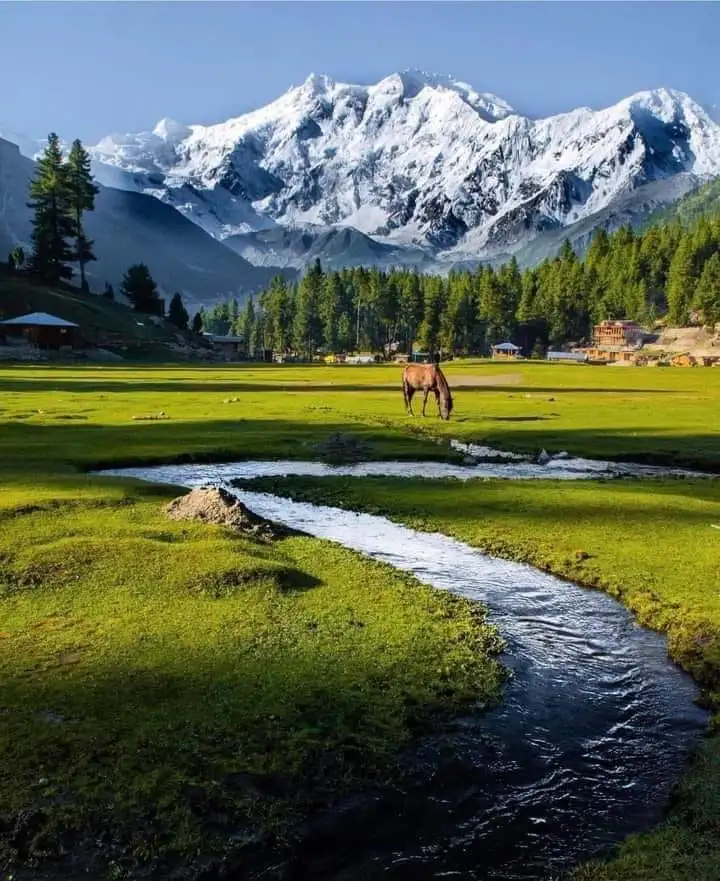
    Located at the base of Nanga Parbat, the ninth-highest mountain in the world, Fairy Meadows is a lush green plateau that feels straight out of a fairy tale. Known for its pristine meadows, wildflower-filled landscapes, and dense pine forests, it’s a destination that speaks to the heart of adventurers and nature lovers.

    The view of Nanga Parbat, towering at 8,126 meters, is a sight to behold. Its icy crown contrasts beautifully with the greenery of the meadows below, creating a picturesque setting. However, Fairy Meadows’ charm lies not just in its beauty but also in its remoteness, making it an ideal escape for those seeking solitude and serenity.
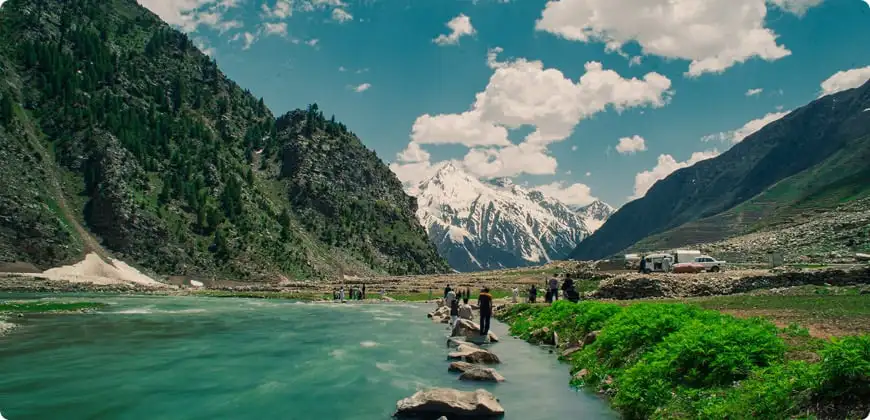
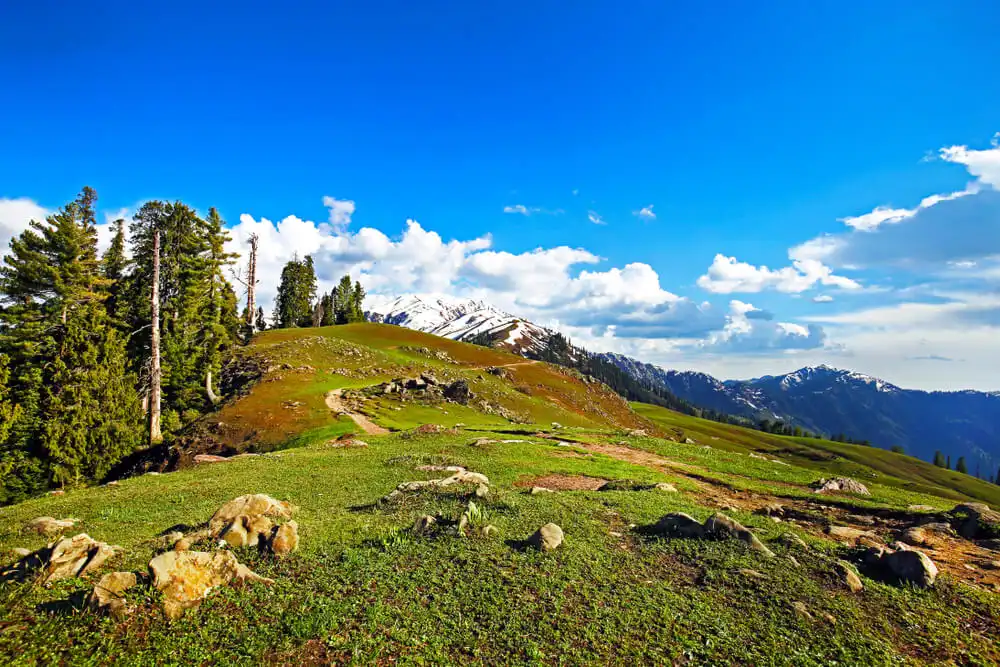
    Naran kaghan valley
    Naran kaghan valley

    Introduction to Naran Kaghan: A Valley of Endless Wonders

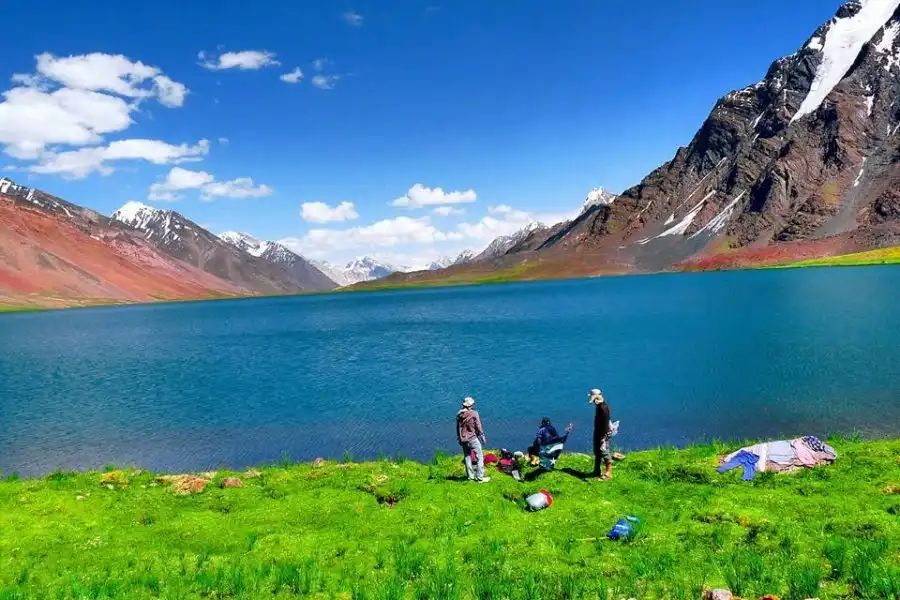
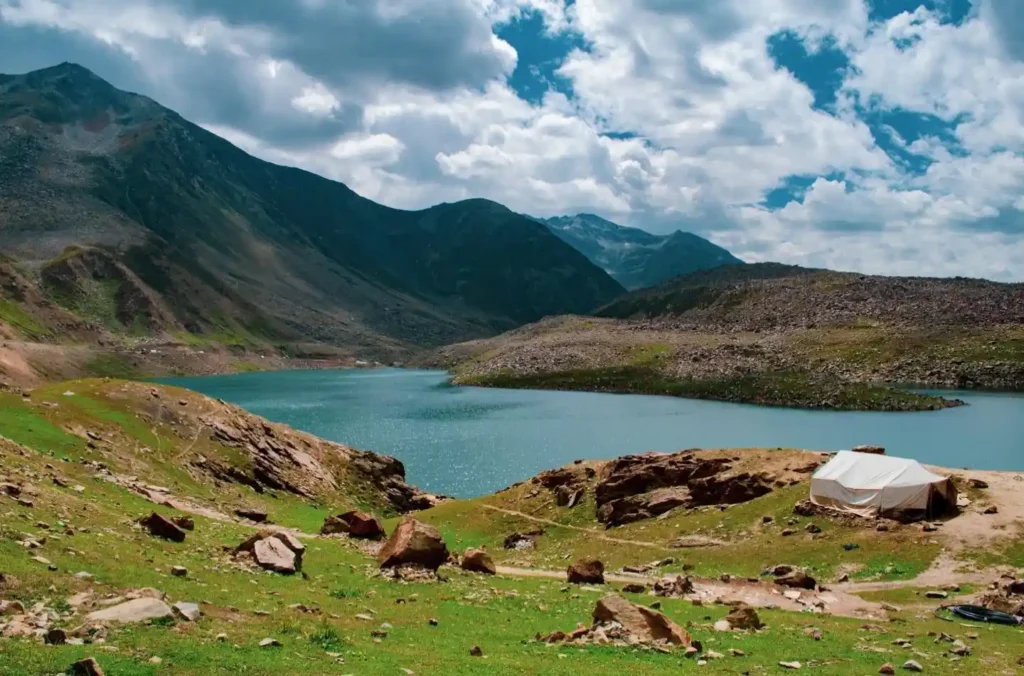
    In stark contrast, Naran Kaghan Valley offers a more vibrant and accessible travel experience. This region is renowned for its turquoise lakes, sprawling green meadows, and snow-capped peaks, making it one of Pakistan’s most visited tourist destinations. The bustling town of Naran serves as a central hub for exploring nearby attractions like Saif ul Malook Lake and Lulusar Lake, as well as the rugged Babusar Pass.

    With a mix of modern amenities, family-friendly activities, and natural beauty, Naran Kaghan caters to everyone, from honeymooners to solo travellers. Its accessibility and variety of landscapes make it a versatile destination, perfect for those who want adventure and relaxation in equal measure.

    Accessibility: How Easy Is it to Get There?

    Fairy Meadows: Adventure from the Start

    Reaching Fairy Meadows is not for the faint-hearted. The journey starts with a drive along the Karakoram Highway, one of the most scenic and challenging roads in the world. Travellers then arrive at Raikot Bridge, where the real adventure begins—a jeep ride on a narrow, rocky road that winds along cliff edges. The ride is adrenaline-inducing and is often considered one of the most dangerous roads globally.

    The final leg of the journey involves a 2–3 hour trek through rugged terrain to reach the meadows. While this route adds an element of adventure and thrill, it also makes Fairy Meadows less accessible for families, elderly travellers, or those unprepared for physical challenges.

    Naran Kaghan: A Smooth Ride to Beauty

    In comparison, Naran Kaghan is highly accessible, with well-maintained roads leading to the valley. From Islamabad, it takes around 6–7 hours to cover the 240-kilometre distance to Naran. Travelers from Lahore can expect a drive of approximately 9–10 hours, making it a convenient destination for weekend trips or short getaways.

    For those without private vehicles, public transport options like the Rawalpindi to Naran bus service ensure a hassle-free journey. The smooth accessibility and comfortable travel options make Naran Kaghan a more appealing choice for families and large groups.

    Winner: Naran Kaghan wins with its seamless accessibility and ease of travel.
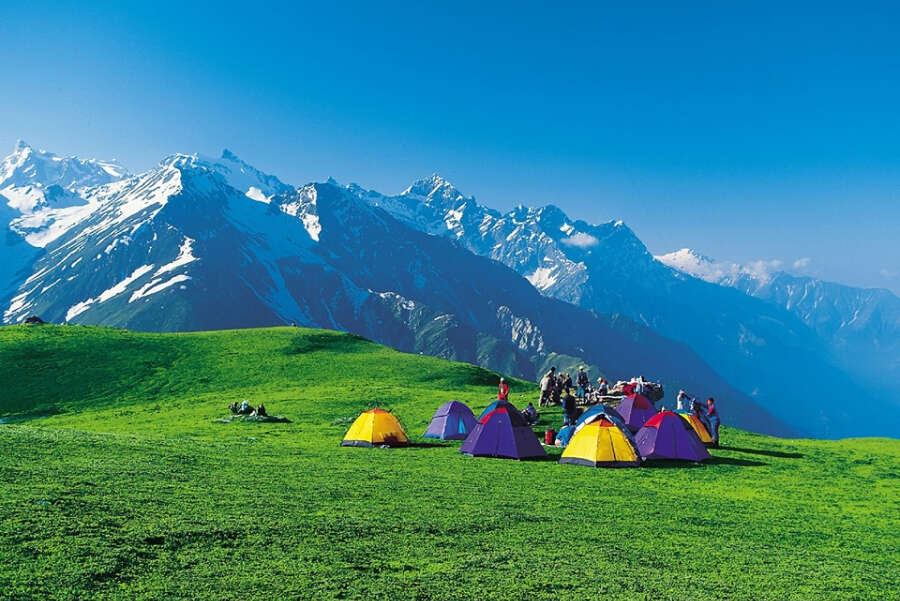
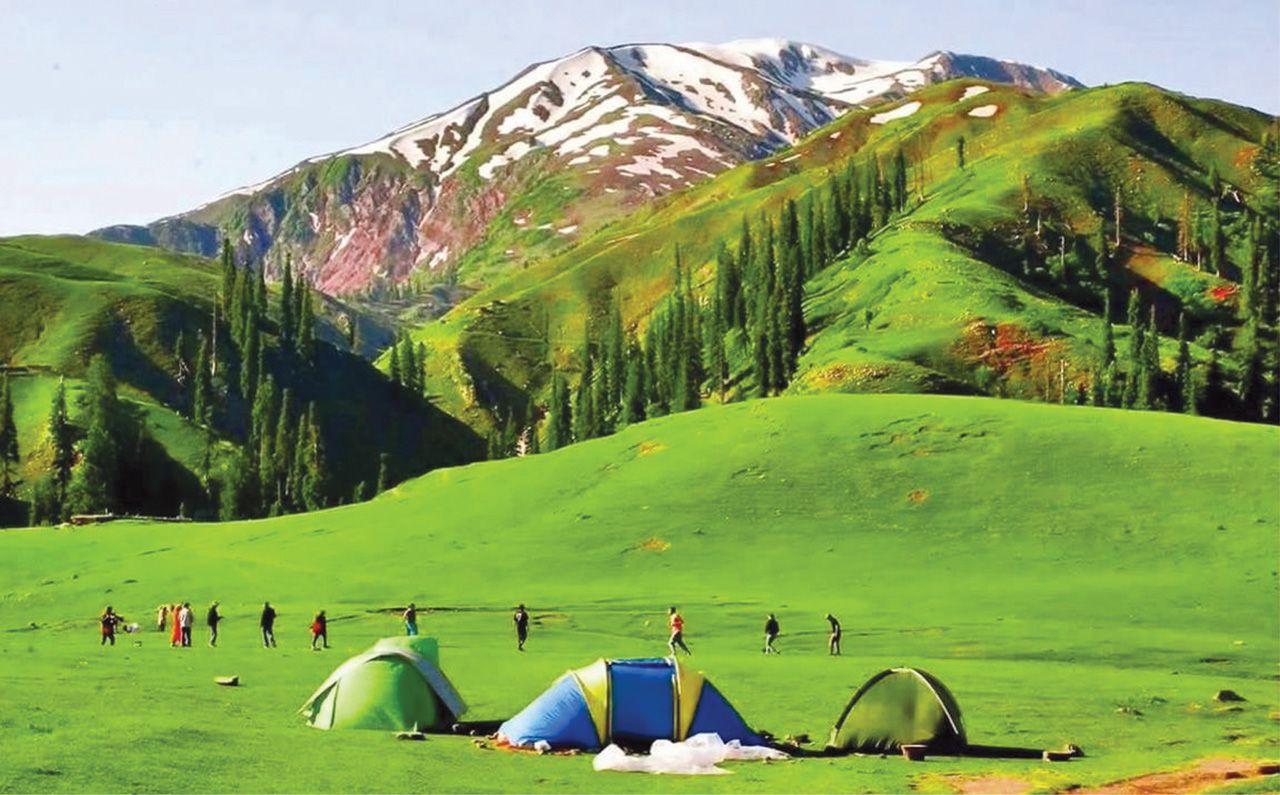
    Camping in Naran Kaghan
    Camping in Naran Kaghan

    Natural Beauty: A Feast for the Eyes

    Fairy Meadows: Untouched Serenity

    Fairy Meadows is a haven of tranquillity where nature thrives untouched by modern development. Its lush green meadows, framed by dense pine forests and wildflowers, create an idyllic setting for relaxation. However, the highlight is the uninterrupted view of Nanga Parbat, often referred to as the “Killer Mountain.” The sight of this colossal peak, especially at sunrise or sunset, is a memory that lingers forever.

    The meadows offer a peaceful atmosphere, free from the noise and crowds that often accompany more popular destinations. This untouched serenity makes Fairy Meadows a sanctuary for those looking to disconnect from the world and immerse themselves in nature.

    Naran Kaghan: Diverse Landscapes

    In contrast, Naran Kaghan offers a mix of terrains and landscapes, from the sparkling waters of Saif ul Malook Lake to the rugged high-altitude beauty of Babusar Pass. Visitors can also marvel at Lulusar Lake’s mirror-like reflections or wander through the flower-filled Lalazar Meadows.

    The valley’s vibrant scenery changes with the seasons, offering snowy landscapes in winter and lush greenery during summer. Whether you’re a photographer, hiker, or simply a nature lover, Naran Kaghan’s diversity ensures there’s always something new to discover.

    Winner: Tie. Fairy Meadows offers pristine solitude, while Naran Kaghan excels with its variety.
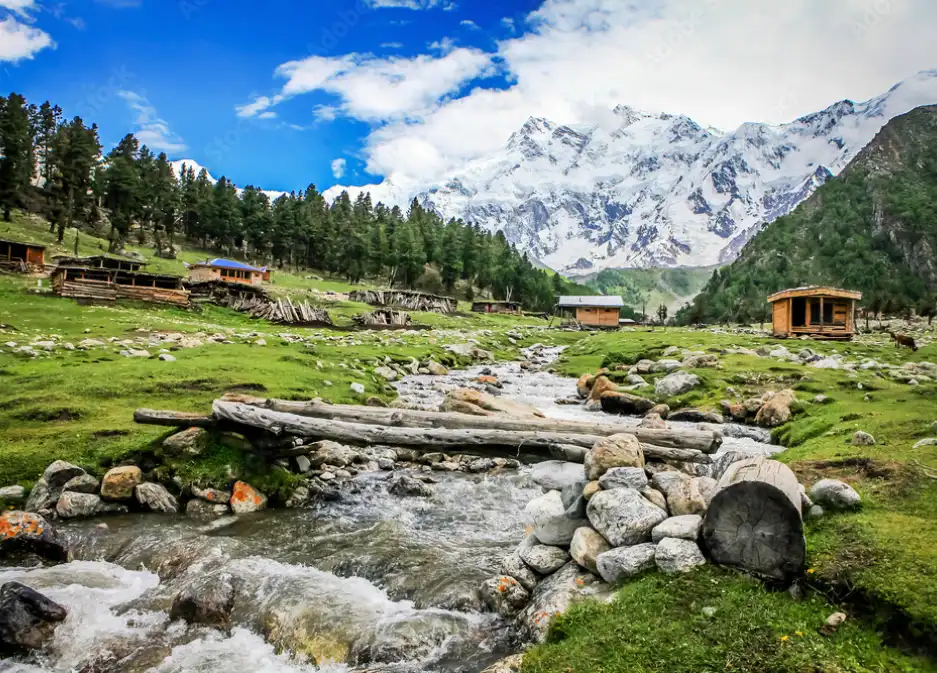
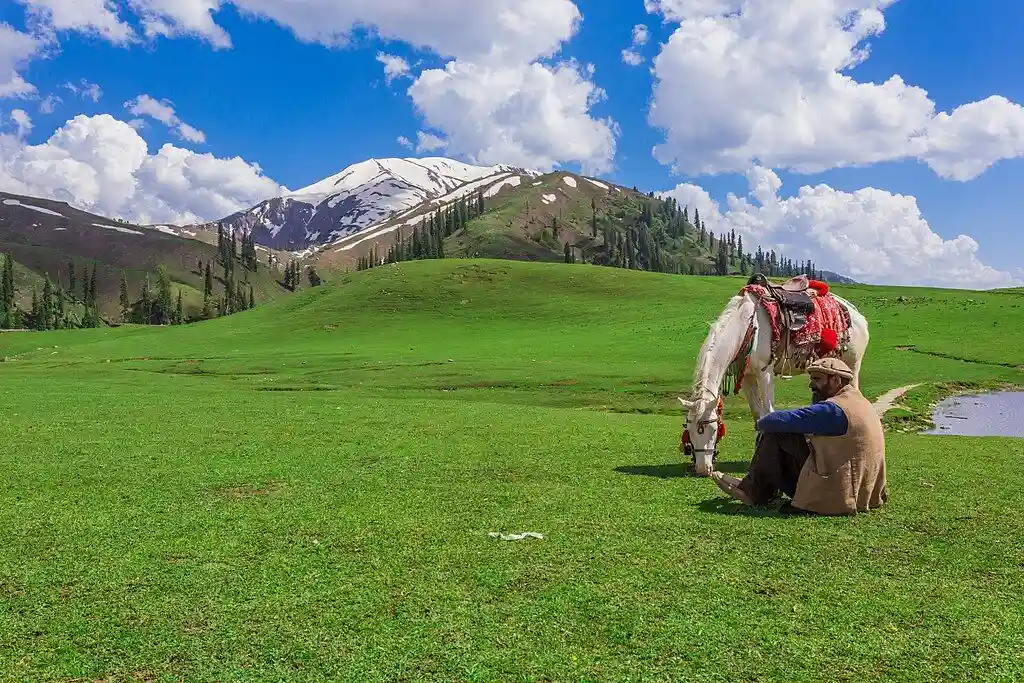
    Fairy Meadows
    Fairy Meadows

    Nearby Attractions: Exploring the Surroundings

    Fairy Meadows

    • Nanga Parbat Base Camp Trek: The highlight of Fairy Meadows is the trek to Nanga Parbat Base Camp. This moderately challenging hike offers stunning views of glaciers, alpine landscapes, and the mighty Nanga Parbat itself.
    • Raikot Glacier: A lesser-known gem, the glacier offers an otherworldly experience for adventurers willing to explore further.
    • Pine Forest Trails: The meadows are surrounded by enchanting trails through thick pine forests, perfect for short treks or leisurely walks.

    Naran Kaghan

    • Saif ul Malook Lake: This iconic glacial lake, surrounded by snowy peaks, is one of Pakistan’s most famous natural landmarks.
    • Lulusar Lake: Known for its pristine waters and scenic surroundings, Lulusar is a favourite stop for travellers heading to Babusar Pass.
    • Babusar Pass: One of the highest motorable passes in Pakistan, it offers panoramic views of the Karakoram Range.
    • Lalazar Meadows: A serene and flower-filled meadow, perfect for picnics, photography, and relaxation.

    Winner: Naran Kaghan, for its extensive range of attractions catering to all types of travellers.
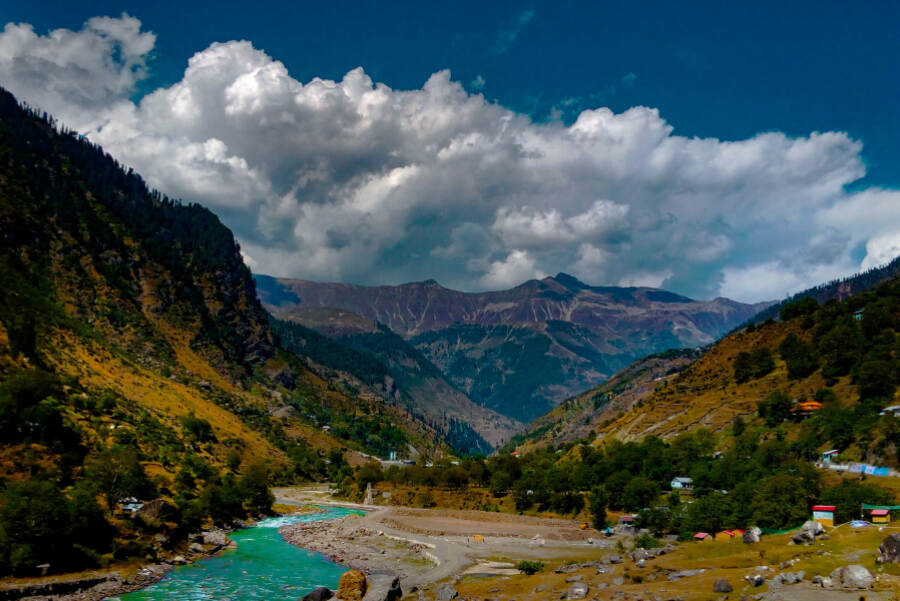
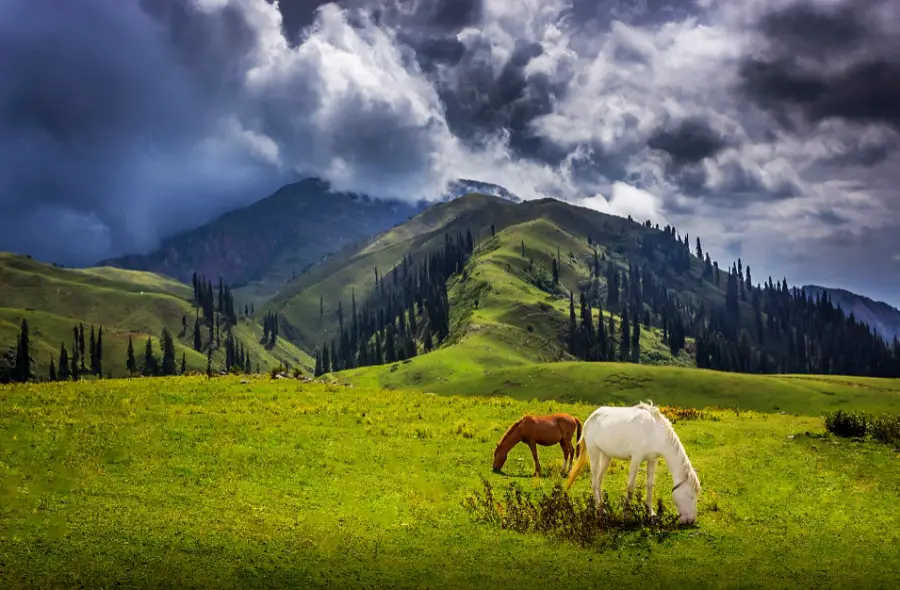
    Naran Kaghan Valley
    Naran Kaghan Valley

    Activities: Adventure vs. Relaxation

    Fairy Meadows: Thrill-Seeker’s Dream

    • Trekking: The trek to Nanga Parbat Base Camp is a bucket-list experience for adventure lovers.
    • Camping: Spend nights under a blanket of stars, surrounded by nothing but nature’s tranquillity.
    • Photography: The dramatic landscapes and clear skies make it a haven for photographers.

    Naran Kaghan: A Balanced Mix

    • Boating: Enjoy peaceful boat rides at Saif ul Malook Lake.
    • Hiking: Trails like those to Lalazar Meadows are beginner-friendly and rewarding.
    • Scenic Drives: Drive through the winding roads of Babusar Pass for unforgettable views.

    Winner: Naran Kaghan, for its mix of activities that suit everyone from adventurers to leisure seekers.

    Weather: When to Visit

    Fairy Meadows

    The best time to visit Fairy Meadows is between June and September when the weather is pleasant and trekking conditions are ideal. Even in summer, nights can get chilly, so warm clothing is essential.

    Naran Kaghan

    Similarly, May to September is the ideal time for Naran Kaghan, with mild daytime temperatures and cool evenings. Rainfall is common, especially in July and August, so travellers should pack accordingly.

    Winner: Tie. Both destinations are best enjoyed in summer.
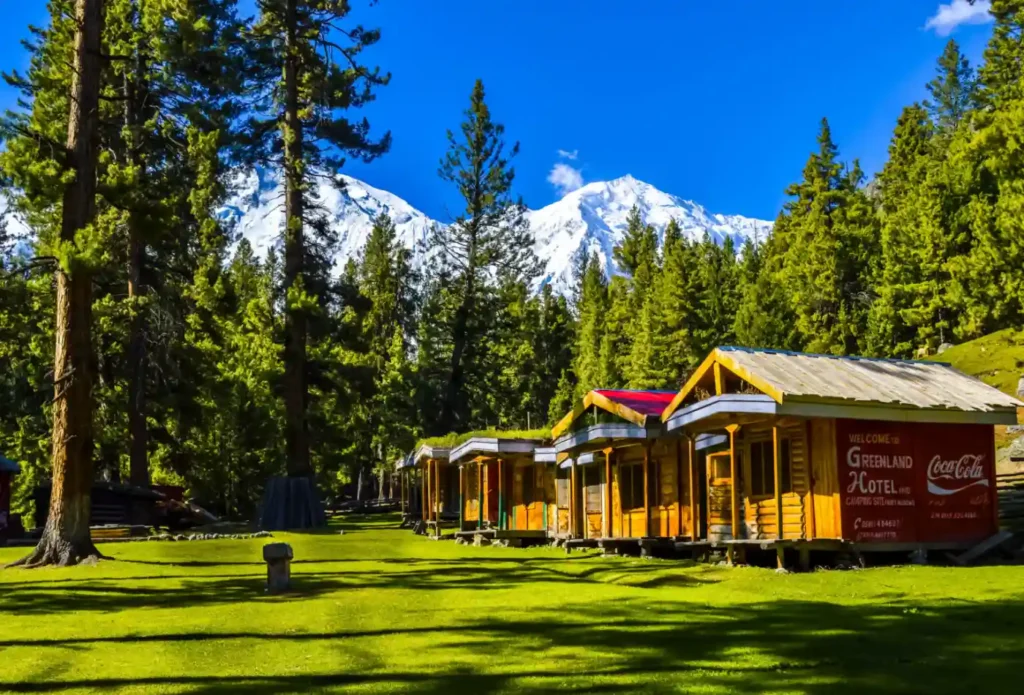
    Nanga parbat base camp
    Nanga parbat base camp

    Cost Comparison

    Fairy Meadows

    Visiting Fairy Meadows can be costly due to:

    • The expensive jeep ride to Raikot Bridge.
    • Trekking guide fees.
    • Limited accommodation options.

    Naran Kaghan

    Naran Kaghan is more budget-friendly, with a range of accommodations, dining options, and affordable transportation services.

    Winner: Naran Kaghan is the more economical choice.

    Conclusion: Which Destination Suits You Best?

    The choice between Fairy Meadows and Naran Kaghan ultimately depends on your preferences:

    • Choose Fairy Meadows if you’re seeking solitude, raw natural beauty, and a sense of adventure.
    • Choose Naran Kaghan if you prefer easy access, family-friendly activities, and a mix of adventure and relaxation.
  • Babusar Pass: The Gateway to Northern Beauty

    Babusar Pass: The Gateway to Northern Beauty

    This guide takes you on a journey through the wonders of Babusar Pass, nearby attractions, and what makes it an unmissable destination.

    Babusar pass
    Babusar pass

    Where is Babusar Pass?

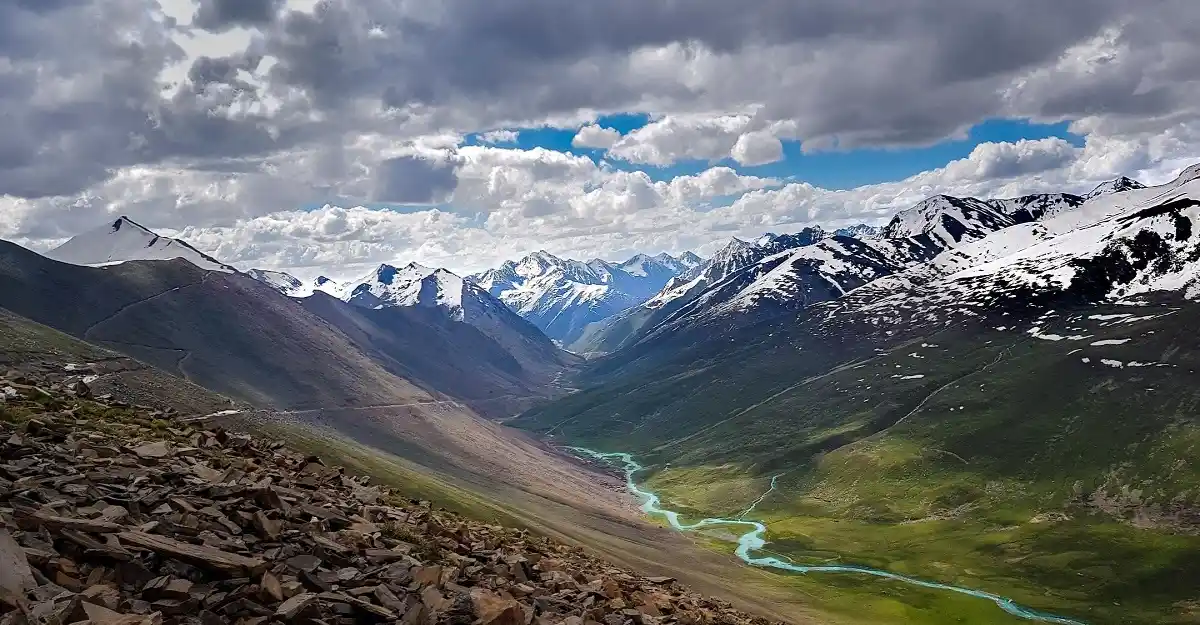
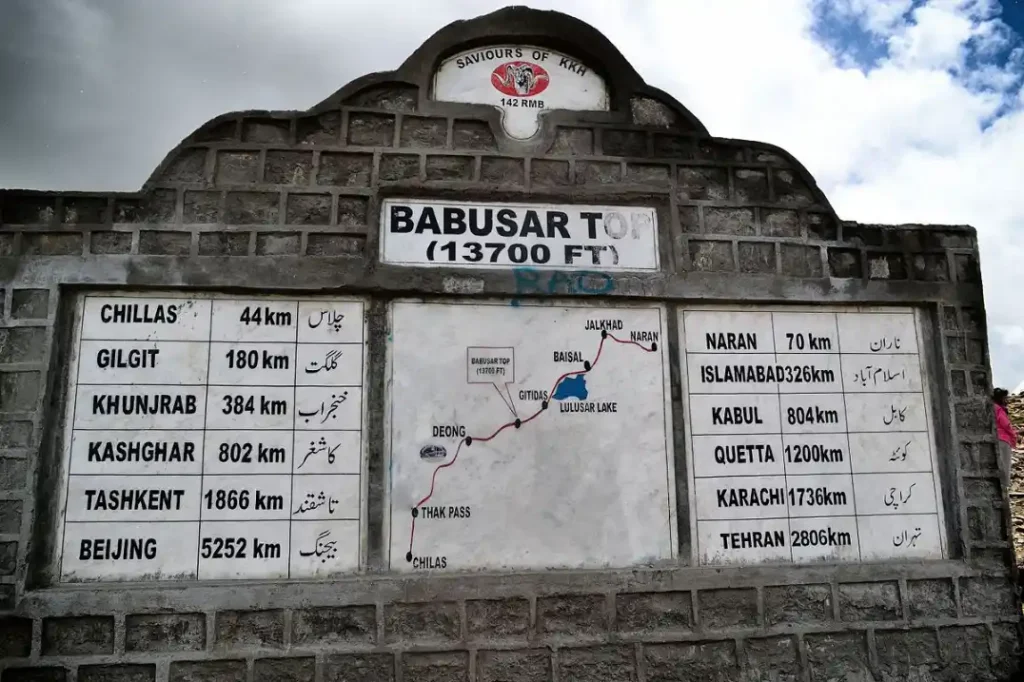
    Babusar Pass, located in the Kaghan Valley of Khyber Pakhtunkhwa, is 4,173 meters (13,691 feet) above sea level. It marks the highest point in the valley and serves as the northern gateway to Chilas in Gilgit-Baltistan.

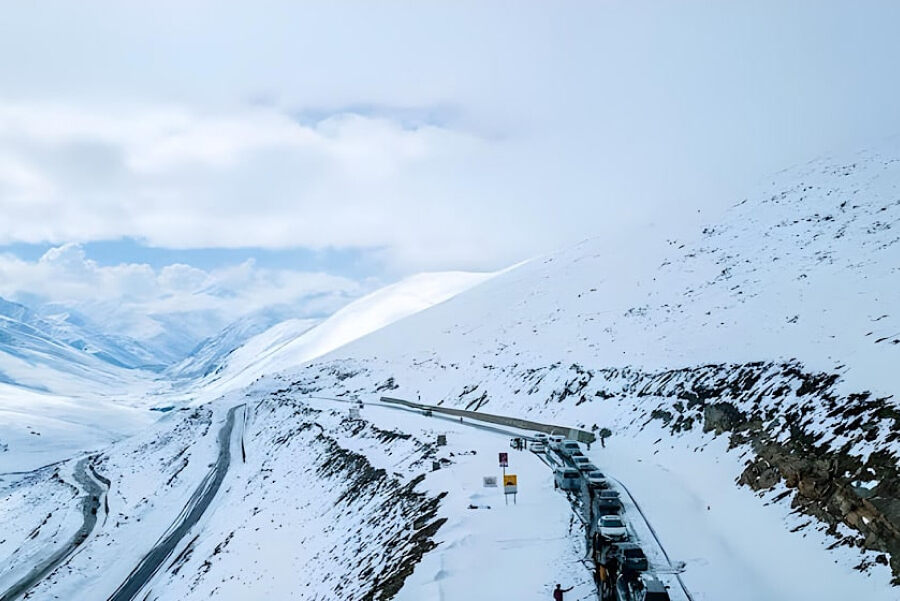
    The pass is accessible during the summer months, from June to September, when snow melts, revealing its stunning terrain. In winter, heavy snowfall makes the pass inaccessible.

    Getting to Babusar Pass

    From Lahore to Naran Kaghan

    The distance from Lahore to Naran Kaghan is approximately 480 kilometres, and the journey takes 10–12 hours by road. Travelers pass through vibrant cities and scenic spots like Abbottabad, Mansehra, and Balakot before entering the verdant Kaghan Valley.

    From Islamabad to Naran

    The distance from Islamabad to Naran is about 240 kilometres for travellers starting their journey from Islamabad. The scenic drive through Abbottabad and Mansehra makes for an enjoyable 6–7-hour journey.

    Mansehra to Naran

    If you’re in Mansehra, reaching Naran is a short yet scenic drive of about 119 kilometres. The distance between Mansehra and Naran passes through lush green valleys, quaint villages, and serene riversides.

    Why Visit Babusar Pass?

    Babusar Pass isn’t just a road that connects places; it’s a journey filled with awe-inspiring beauty and moments that leave travellers speechless.

    Spectacular Views

    The panoramic views from Babusar Pass are breathtaking. You can see rolling valleys, towering peaks, and dramatic skies that change hues throughout the day. This spot offers some of the best photo opportunities for capturing Naran Kaghan images.

    Cool Summer Weather

    During the scorching summer months, Babusar Pass’s cool climate is a refreshing retreat. With temperatures significantly lower than in cities, it’s the perfect escape for those seeking a break from the heat.

    Perfect for Adventure Seekers

    The winding roads leading to Babusar Pass are a thrill for adventure lovers. The journey itself is a test of skill and endurance, with hairpin turns and stunning vistas at every bend.

    Babusar top map

    Nearby Attractions

    Lulusar Lake

    Just 48 kilometres from Naran, Lulusar Lake is a must-visit spot en route to Babusar Pass. Known for its mirror-like waters reflecting the surrounding snow-capped peaks, it’s a serene location that leaves visitors spellbound.

    Lake Saif ul Malook

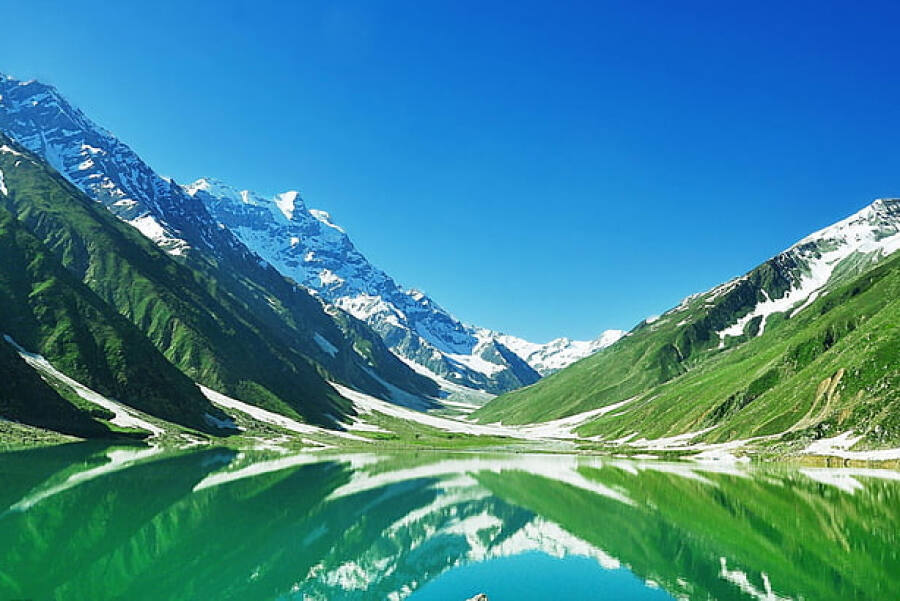
    The iconic Lake Saif ul Malook is one of Pakistan’s most famous tourist destinations. Nestled at an elevation of 3,224 meters, towering mountains surround the lake and are accessible via a short but adventurous jeep ride from Naran.

    Jalkhad

    A picturesque village located about 35 kilometres from Naran, Jalkhad serves as a rest stop for travellers heading to Babusar Pass. Its lush green meadows and crystal-clear streams make it a wonderful spot to relax.

    Kaghan Valley

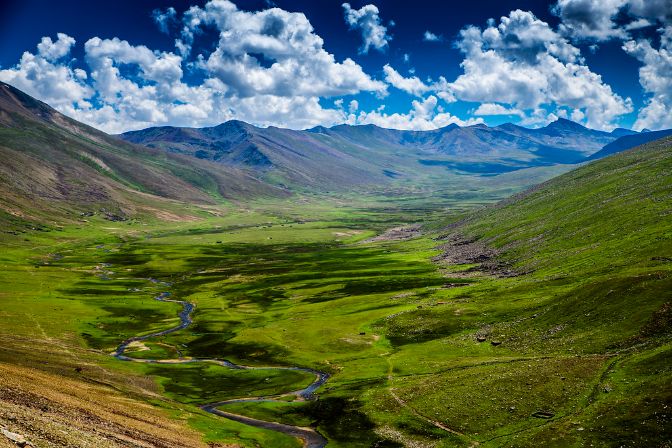
    The Kaghan Valley is a treasure trove of natural beauty. Known for its alpine meadows, dense forests, and glacial rivers, it is a haven for trekkers, photographers, and nature enthusiasts.

    Chilas

    On the other side of Babusar Pass lies Chilas, a small town that serves as the gateway to Gilgit-Baltistan. The town is famous for its ancient petroglyphs, some of which date back thousands of years.

    Hidden Gems Around Babusar Pass

    Batakundi

    Just 16 kilometres from Naran, Batakundi is a quaint little town surrounded by lush greenery and snow-capped mountains. It’s a less crowded destination for those who prefer peace and solitude.

    Bata Kundi Waterfall

    A short drive from Batakundi brings you to a stunning waterfall that cascades down rocky cliffs into a clear pool below. This spot is a favourite for picnics and photography.

    Noori Top

    Located near Jalkhad, Noori Top is a high-altitude plateau offering panoramic views of the surrounding valleys. This lesser-known destination is ideal for off-the-beaten-path explorers.

    Babusar top
    Babusar top

    The Journey Through Babusar Pass

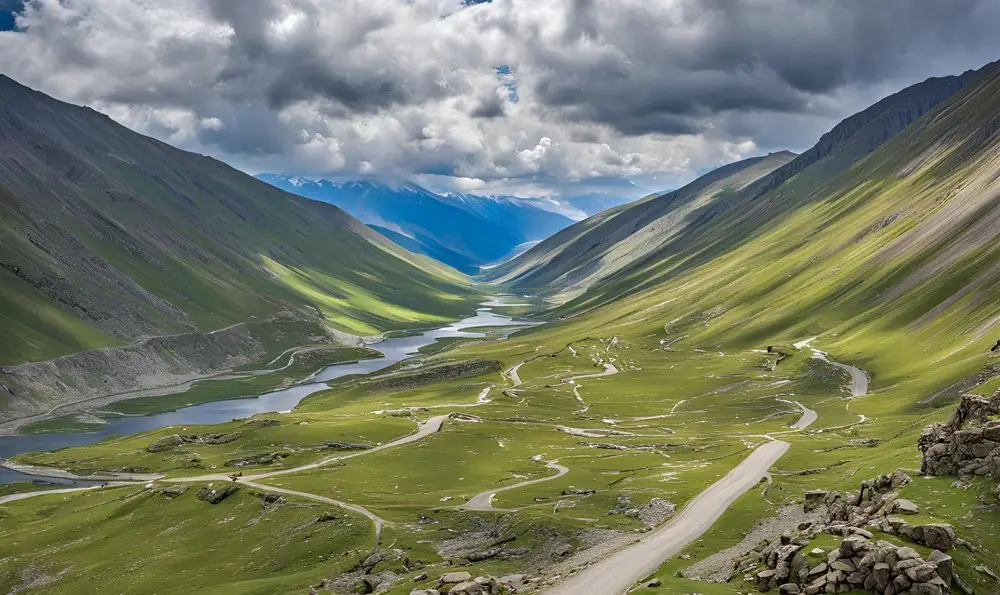
    The journey to Babusar Pass is as rewarding as the destination itself. The winding roads, surrounded by rugged cliffs and verdant valleys, make for an unforgettable drive. As you ascend, you’ll notice the air growing cooler and the scenery becoming even more dramatic.

    Stop for Scenic Views

    Throughout the journey, there are several viewpoints where you can stop to admire the region’s breathtaking beauty. These stops offer perfect opportunities to capture Naran Kaghan pictures and admire the grandeur of the Himalayan and Karakoram ranges.

    Local Culture and Cuisine

    Along the way, you’ll encounter local communities who are known for their hospitality. Be sure to try traditional dishes like chapli kebabs, lamb karahi, and fresh trout, which are specialities of the region.

    Nearby Places to Explore

    Hunza Valley

    Located to the north of Babusar Pass, Hunza Valley is a paradise known for its towering peaks, ancient forts, and vibrant culture. The Naran to Hunza distance is approximately 335 kilometres, but the journey is worth it for the breathtaking views and cultural experiences.

    Fairy Meadows

    Accessible via a short detour, Fairy Meadows offers stunning views of Nanga Parbat, one of the world’s highest peaks. This lush green plateau is perfect for trekking and camping.
    Compare the beauty of Fairy Meadows and Naran Kaghan for your next adventure.

    Skardu

    Further along the Karakoram Highway lies Skardu, a gateway to some of the world’s most famous trekking routes, including those to K2 Base Camp. The Naran to Skardu distance is long but filled with captivating landscapes.

    Tips for Visiting Babusar Pass

    1. Travel in Summer: The pass is open from June to September. Travelling during these months ensures you can enjoy the best weather and road conditions.
    2. Stay Updated: Check road and weather conditions regularly to avoid surprises. The Naran Kaghan road update is essential for safe travel.
    3. Pack Essentials: Warm clothes, snacks, and a first-aid kit are must-haves for the trip.
    4. Drive Carefully: The winding roads require skilled driving. If you’re not confident, consider hiring a local driver.
    5. Plan for Fuel Stops: Fuel stations are sparse in the region, so fill up your tank in Naran.

    The Best Time to Visit Babusar Pass

    The ideal time to visit Babusar Pass is from June to September. During these months, the weather is pleasant, and the roads are accessible. The lush greenery and clear skies add to the region’s charm, making it the perfect time for outdoor adventures.

    Plan your perfect 3-day trip to Naran Kaghan with our detailed guide.

    Conclusion

    Babusar Pass is more than just a mountain road; it’s an adventure, a retreat, and a journey into the heart of Pakistan’s natural beauty. From the scenic drive to nearby attractions like Lulusar Lake and Lake Saif ul Malook, every moment here is a memory waiting to be made.

  • How to Plan a Perfect 3-Day Trip to Naran Kaghan: Your Ultimate Travel Guide

    How to Plan a Perfect 3-Day Trip to Naran Kaghan: Your Ultimate Travel Guide

    In this guide, we will help you plan the perfect three-day trip to Naran Kaghan, covering everything from where to stay to what to do and how to make the most of your time in this picturesque valley.

    Why Naran Kaghan is the Perfect Getaway

    Naran Kaghan is one of the most sought-after destinations in Pakistan. Its unmatched beauty, from the serene lakes to the towering mountains, offers an idyllic escape from the hustle and bustle of city life. Here are some reasons why this valley should be on your travel list:

    • Natural Beauty: Naran Kaghan is a visual treat with pristine rivers, stunning lakes, and snow-capped peaks.
    • Peaceful Environment: It’s the perfect place to unwind and enjoy a peaceful retreat amidst nature.
    • Adventure Activities: From trekking to river rafting, there are plenty of activities for adventure lovers.
    • Cultural Experience: The local tribes, cuisine, and unique culture make it a memorable trip.

    Best Time to Visit Naran Kaghan

    The best time to visit Naran Kaghan is from May to September. During these months, the weather is perfect for sightseeing and outdoor activities. The winter months (November to March) can be harsh with heavy snowfall, and some tourist spots may be inaccessible.

    However, if you’re an adventurer and love snow, visiting in winter will provide a magical, serene experience, but make sure you’re prepared for the cold.

    lake saiful muluk
    lake saiful muluk

    How to Reach Naran Kaghan

    By Road

    The most common and convenient way to get to Naran Kaghan is by road. The drive is approximately 8 to 10 hours from Islamabad, covering a distance of around 240 kilometres.

    • Route: Start from Islamabad, head to Mansehra, and then take the road towards Naran and Kaghan. The drive offers spectacular views of the mountainous landscape.
    • Best Mode of Travel: You can hire a private car or take a public bus from Islamabad to Naran. The buses are affordable, but a private car offers more comfort and flexibility.

    By Air

    If you’re short on time, you can fly from Islamabad to Abbottabad (the nearest airport to Naran Kaghan). You can hire a local taxi or rent a car to reach Naran Kaghan.

    Day 1: Exploring Naran

    Arriving in Naran

    Once you arrive in Naran, you’ll be greeted by the cool, fresh mountain air. Naran is a small town that serves as a base for exploring the surrounding valleys. Depending on your arrival time, you can check into your hotel or guesthouse and relax before heading out for sightseeing.

    Visit to Saif-ul-Malook Lake

    The highlight of Day 1 is undoubtedly the Saif-ul-Malook Lake, located just 10 km from Naran. Known for its crystal-clear waters and mesmerizing beauty, the lake sits at an altitude of 3,200 meters.

    The road to the lake is rough, so you can hire a jeep from Naran. Once at the lake, you’ll be captivated by its surrounding snow-capped mountains and lush greenery. Take a boat ride on the lake, enjoy a picnic, and marvel at the landscape.

    Enjoying the Local Cuisine

    After you visit the lake, head back to Naran for a delicious dinner at one of the local restaurants. Don’t miss trying Chapli Kebab, Peshawari Naan, and a cup of Saffron Tea. The fresh trout from the local rivers is another must-try.

    Babusar top
    Babusar top

    Day 2: Kaghan Valley and Beyond

    Visit to Babusar Top

    On Day 2, take an early morning drive towards Babusar Top, at an altitude of 4,170 meters. This is the highest point in Kaghan Valley and offers stunning panoramic views of the surrounding mountains and valleys. The road to Babusar Top is quite rough, so hiring a local jeep for the journey is advisable. At the top, you’ll be treated to breathtaking views of the Kaghan Valley, and on clear days, you can see peaks like Nanga Parbat, the 9th highest mountain in the world. Uncover the breathtaking views at Babusar Pass and marvel at the northern landscapes that surround you.

    Exploring Kaghan Village

    After visiting Babusar Top, head towards Kaghan Village. This quaint village is known for its traditional wooden houses and warm hospitality. Stroll through the village and interact with the locals to get a glimpse of the cultural lifestyle in the region.

    You can also visit Shogran Valley, a short drive from Kaghan. Known for its lush green meadows and towering pine trees, Shogran is perfect for a peaceful retreat.

    River Rafting or Fishing

    You can indulge in river rafting or fishing along the Kunhar River in the afternoon. This river flows through Naran and Kaghan, offering an exciting opportunity for adventure seekers. Many local operators offer guided rafting trips or fishing tours, making it an exciting activity for nature lovers.

    Day 3: Adventure Activities and Departure

    Trekking at Ansoo Lake

    On your last day, start with a thrilling trek to Ansoo Lake, named for its tear-drop shape. This challenging trek takes about 6–8 hours, but seeing the lake surrounded by snow-capped mountains is worth every step. The trek starts from Sharan, a small village near Naran.

    Ensure you are well-prepared with appropriate gear, food, and a guide to navigate the route.

    Shopping for Souvenirs

    Before heading back to Islamabad, take some time to explore the local markets in Naran and Kaghan. You can buy handcrafted wooden items, woollen shawls, and traditional jewellery as souvenirs to remember your trip.

    Preparing for Departure

    After an adventurous day, it’s time to pack up and head back to your starting point. If you’re travelling by road, the drive back to Islamabad will take around 8–10 hours, so leave early to reach on time.

    Where to Stay in Naran Kaghan

    Naran Kaghan offers a variety of accommodation options to suit different budgets and preferences.

    Budget Accommodations

    • Naran View Hotel: A budget-friendly option with basic amenities.
    • Kaghan River Resort: A peaceful and affordable stay near the river.
    • Guesthouses: Several guesthouses in Naran offer affordable stays with a local touch.

    Luxury Resorts

    • Pearl Continental Hotel, Naran: A luxury resort offering top-notch facilities and beautiful views of the valley.
    • Shogran Resort: Located in Shogran, this resort offers a luxurious stay amidst nature.

    Essential Travel Tips for Naran Kaghan

    • Pack Light: The weather can change quickly in the mountains, so pack layers and weather-appropriate clothing.
    • Altitude: Some areas, like Babusar Top and Ansoo Lake, are at high altitudes, so stay hydrated and take it slow to avoid altitude sickness.
    • Cash: While there are ATMs in Naran, carrying some cash is always a good idea, as not all places accept cards.
    • Safety: Always hire local guides for trekking and adventure activities.

    Conclusion: Your Perfect 3-Day Itinerary

  • Lake Saif-ul-Malook: A Fairy-Tale Paradise in Northern Pakistan

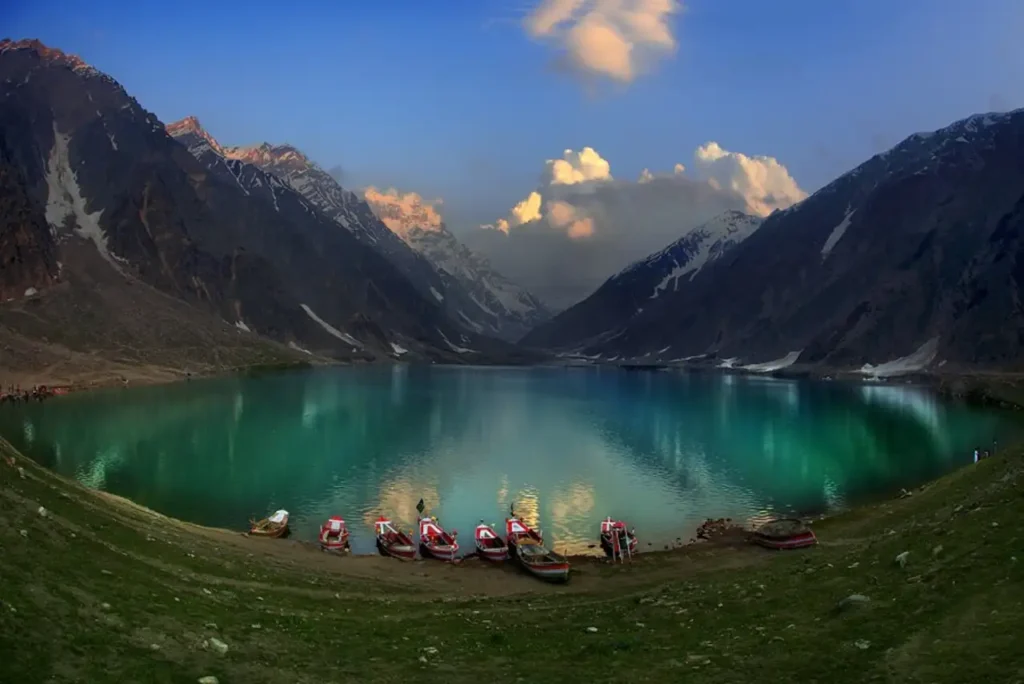
    Lake Saif-ul-Malook: A Fairy-Tale Paradise in Northern Pakistan

    If you’re planning a Naran Kaghan tour, this stunning lake should be on your list. From its enchanting myths to the awe-inspiring scenery, every corner of Lake Saif-ul-Malook offers something extraordinary. In this blog, we’ll take you on a journey through its geography, folklore, scenic beauty, and the unforgettable experience it offers visitors.

    Geographic Overview and Accessibility

    Lake Saif-ul-Malook is about 8 kilometres from Naran in the Kaghan Valley of Khyber Pakhtunkhwa province. Situated at an altitude of 3,224 meters (10,578 feet) above sea level, the lake is surrounded by towering Himalayan peaks, including the iconic Malika Parbat.

    Getting There:

    • By Jeep: The most common way to reach the lake is hiring a jeep in Naran. The bumpy, adventurous ride through rugged mountain paths is thrilling in itself.
    • On Foot: For trekkers, the hike to the lake offers stunning views of the valley, making the journey as rewarding as the destination.
    • By Horse: Local guides offer horse rides for visitors seeking a unique and traditional experience.

    The History and Folklore of Saif-ul-Malook

    One of the most captivating aspects of Lake Saif-ul-Malook is its connection to folklore. The lake is named after Saif-ul-Malook, a Persian prince whose love story with a fairy named Badi-ul-Jamal forms the basis of a famous Sufi poem by Mian Muhammad Bakhsh.

    The Tale:

    According to legend, Prince Saif-ul-Malook fell in love with the fairy after seeing her in a dream. Determined to win her love, he embarked on a perilous journey to the lake, only to confront a giant that guarded the fairy. His bravery and unwavering love won her heart. Still, their union came with challenges, adding a layer of mysticism to the lake’s charm.

    Even today, many locals believe that the lake is visited by fairies during moonlit nights, adding a spiritual and mystical dimension to its beauty.

    lake-saif-ul-malook

    The Enchanting Natural Beauty of Lake Saif-ul-Malook

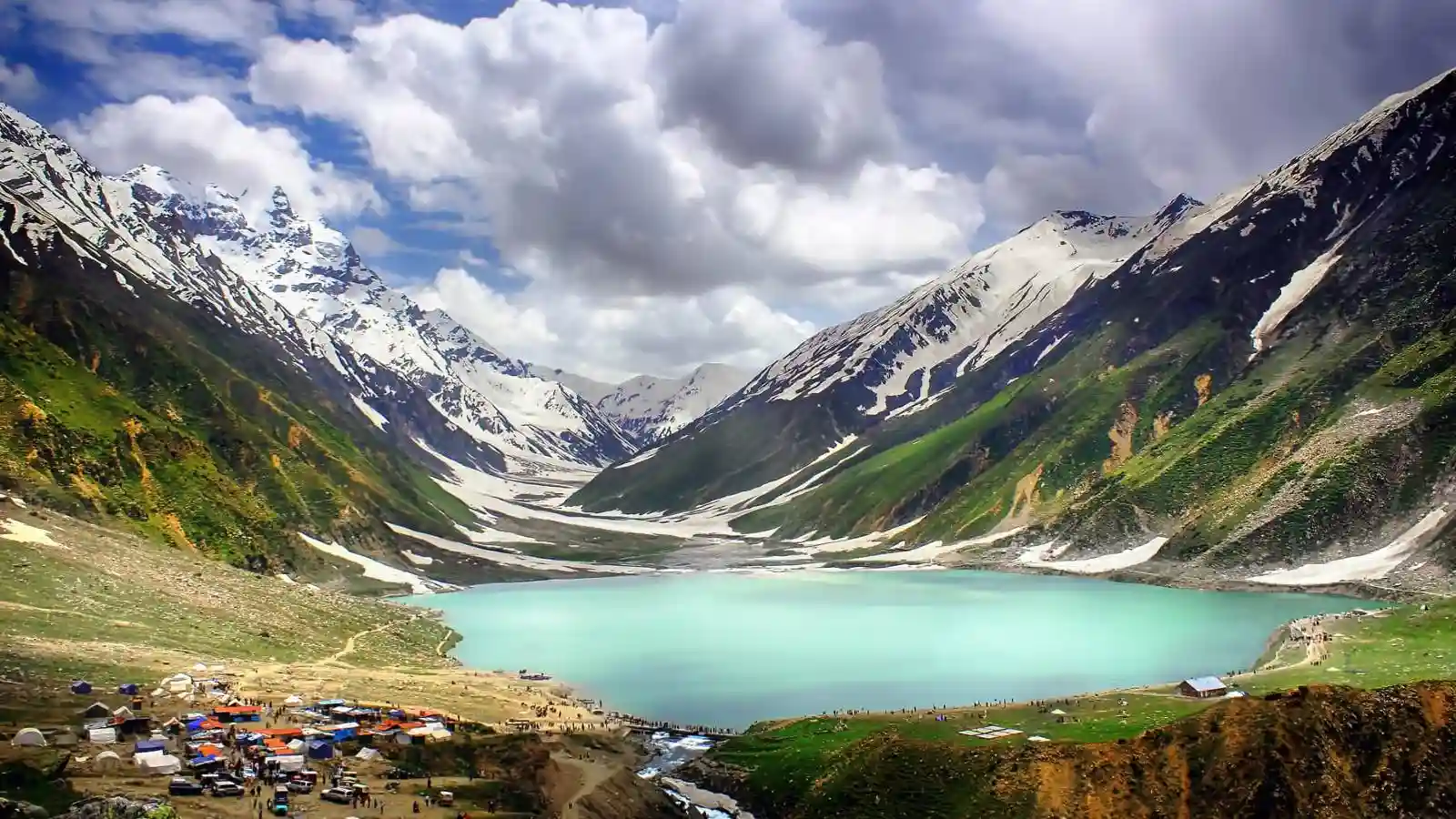
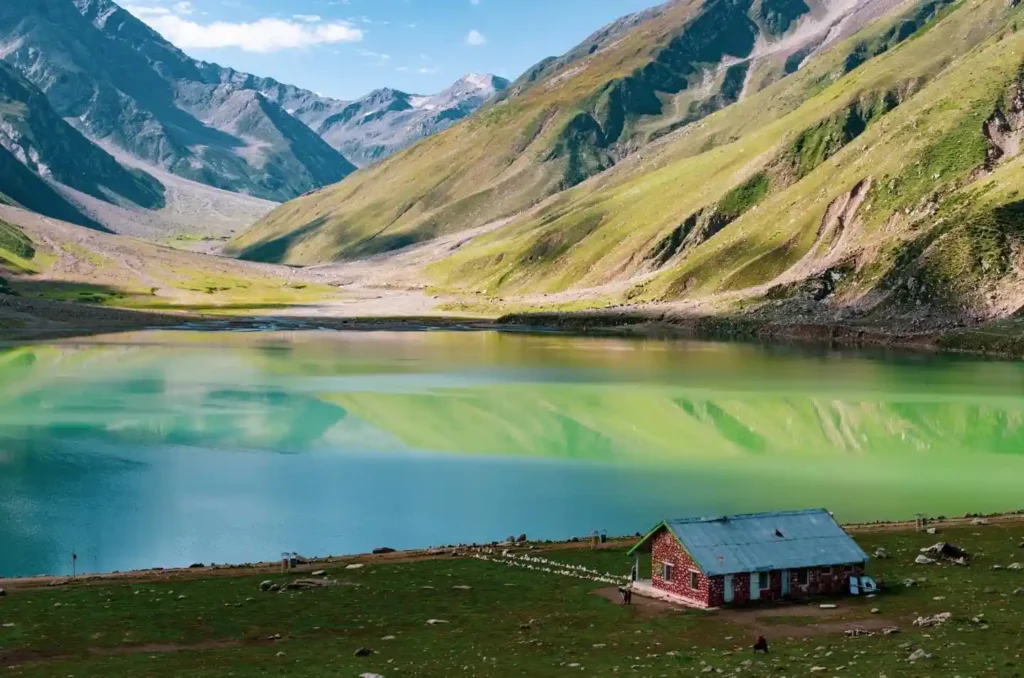
    Lake Saif-ul-Malook is a visual masterpiece, with its shimmering turquoise waters framed by rugged peaks and lush meadows. The lake changes its appearance throughout the day, offering a dynamic and captivating experience.

    • Sunrise Magic: Early mornings often bring a tranquil atmosphere with mist hovering over the lake’s surface, creating a mystical aura.
    • Afternoon Radiance: As the sun climbs higher, the lake’s waters sparkle like a precious gem, reflecting the surrounding peaks in vivid detail.
    • Nighttime Mystique: The starlit sky adds a surreal quality to the surroundings if you’re lucky enough to camp by the lake.

    Seasonal Beauty:

    • In summer, the area bursts with greenery, colourful wildflowers, and vibrant energy as tourists flock to the lake.
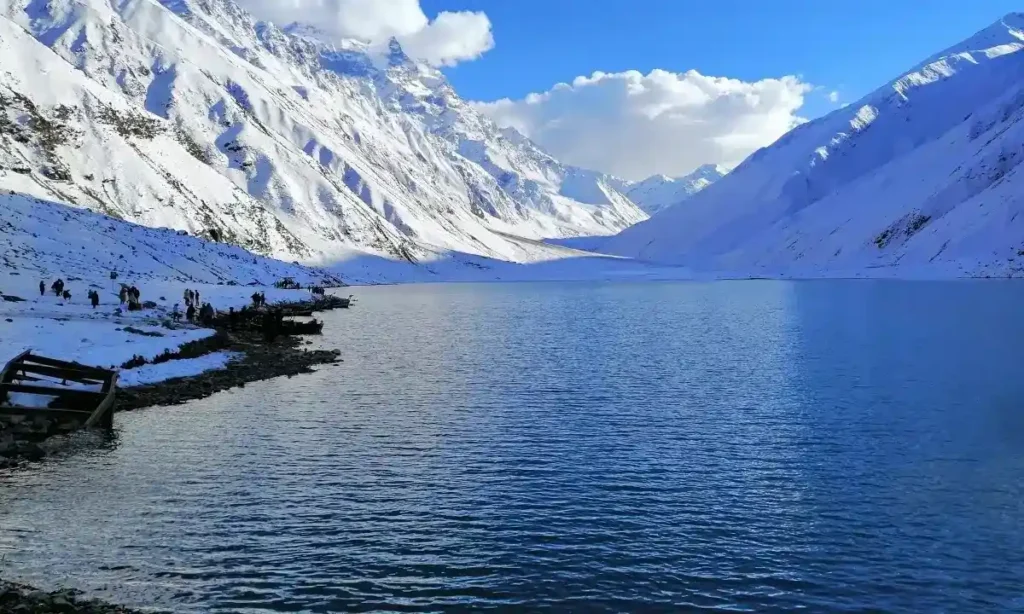
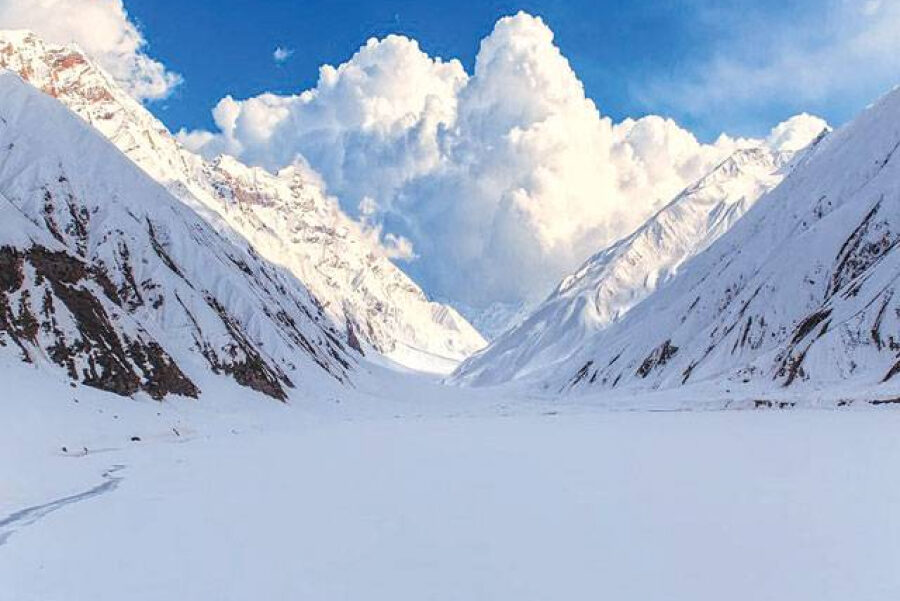
    • In winter, the lake freezes, transforming into a glistening white wonderland surrounded by snow-laden peaks.

    Wildlife and Biodiversity

    Lake Saif-ul-Malook is not just a visual feast—it’s also a haven for wildlife. The area around the lake is home to several species of birds, insects, and small mammals, making it an excellent spot for wildlife enthusiasts.

    Flora and Fauna Highlights:

    • Golden Marmots: These playful creatures are often spotted scurrying along the meadows.
    • Migratory Birds: The lake attracts various bird species during migration seasons.
    • Alpine Flowers: In summer, the meadows surrounding the lake bloom with rare alpine flowers, adding splashes of colour to the landscape.

    Activities and Adventures for Tourists

    Lake Saif-ul-Malook offers a range of activities that cater to different interests and energy levels:

    • Boating: Glide across the lake’s serene waters and soak in its beauty from a unique perspective.
    • Hiking: Explore nearby trails, including routes to Ansoo Lake, another popular destination.
    • Photography: Capture stunning images of the lake, its reflections, and the surrounding landscapes.
    • Camping: Spend a night under the stars for an unforgettable experience, with local guides available to assist.

    The Mystical Connection: Spiritual and Cultural Importance

    For locals and spiritual seekers, Lake Saif-ul-Malook is more than just a tourist spot. The lake is a place of inspiration and reflection, often associated with Sufi mysticism. The legendary tale of Saif-ul-Malook and Badi-ul-Jamal is a recurring theme in local poetry, music, and storytelling traditions.

    lake saif-ul-malook

    The Role of the Lake in Eco-Tourism

    Lake Saif-ul-Malook has become a key destination for eco-tourism in Pakistan. Efforts are underway to promote sustainable tourism practices that protect the lake’s pristine environment. Visitors are encouraged to:

    • Avoid littering.
    • Respect wildlife.
    • Use eco-friendly camping equipment.

    Essential Travel Tips for First-Time Visitors

    • Check Weather Conditions: The weather can change rapidly, so it’s best to check forecasts before your trip.
    • Wear Proper Footwear: Sturdy shoes are a must whether you’re trekking or exploring the lake’s surroundings.
    • Carry Snacks and Water: While there are food stalls near the lake, bringing your provisions ensures you’re prepared.
    • Hire a Guide: Local guides ensure your safety and enrich your visit with stories and insights.
    • Respect Local Customs: Be mindful of the local culture and traditions to foster a positive experience for everyone.

    Best Time to Visit Lake Saif-ul-Malook

    The lake is best visited during the summer months, from May to September, when the snow has melted and the area is accessible. Spring and autumn also offer delightful experiences, with fewer crowds and stunning natural hues.

    Challenges of Visiting Lake Saif-ul-Malook

    While the lake’s beauty is undeniable, visitors should be prepared for certain challenges:

    • Altitude Sickness: Some visitors may experience mild altitude sickness due to its high elevation.
    • Road Conditions: The journey to the lake involves rugged and uneven paths, which might be challenging for some.
    • Limited Facilities: While basic amenities are available, the area still needs to be developed to preserve its natural charm.

    How Lake Saif-ul-Malook Inspires Artists and Poets

    The lake has been a muse for countless artists, poets, and photographers. Its mystical story and ethereal beauty have been immortalized in poems, songs, and paintings, showcasing its role as a cultural icon.

    Saiful Muluk lake

    Nearby Attractions for Travelers

    While Lake Saif-ul-Malook is the crown jewel, several nearby attractions complement your visit:

    • Shogran and SiriPaye: Are breathtaking hilltop getaways in Kaghan Valley, where lush green meadows meet sweeping mountain views, creating a peaceful retreat that feels like a slice of paradise.
    • Naran Town: A bustling hub with markets, hotels, and local delicacies.
    • Ansoo Lake: A tear-shaped alpine lake accessible via a challenging trek from Saif-ul-Malook.
    • Lulusar Lake: Another stunning lake on the way to Babusar Pass.

    Contribution to Local Economy

    Tourism around Lake Saif-ul-Malook provides a significant source of income for local communities. Jeep drivers, guides, food vendors, and artisans benefit directly from the influx of visitors, making tourism a lifeline for the region.

    Capturing the Essence: What Makes Saif-ul-Malook Unique?

    The combination of untouched beauty, legendary tales, and cultural richness makes Lake Saif-ul-Malook stand out among tourist destinations in Pakistan. Each visit offers something new—a moment of peace, a burst of inspiration, or simply awe at nature’s grandeur.

    Conclusion

    Lake Saif-ul-Malook is a destination that resonates deeply with all who visit. It’s a place where nature, culture, and legend blend seamlessly to create an unforgettable experience. Whether you’re an adventurer, a dreamer, or someone seeking solace, this fairy-tale paradise promises memories that will last a lifetime.

  • Dudipatsar Lake: A Hidden Paradise in Northern Pakistan

    Dudipatsar Lake: A Hidden Paradise in Northern Pakistan

    If you’re planning a trip to this enchanting destination, check out the best Naran Kaghan tour packages to make your journey even more memorable!

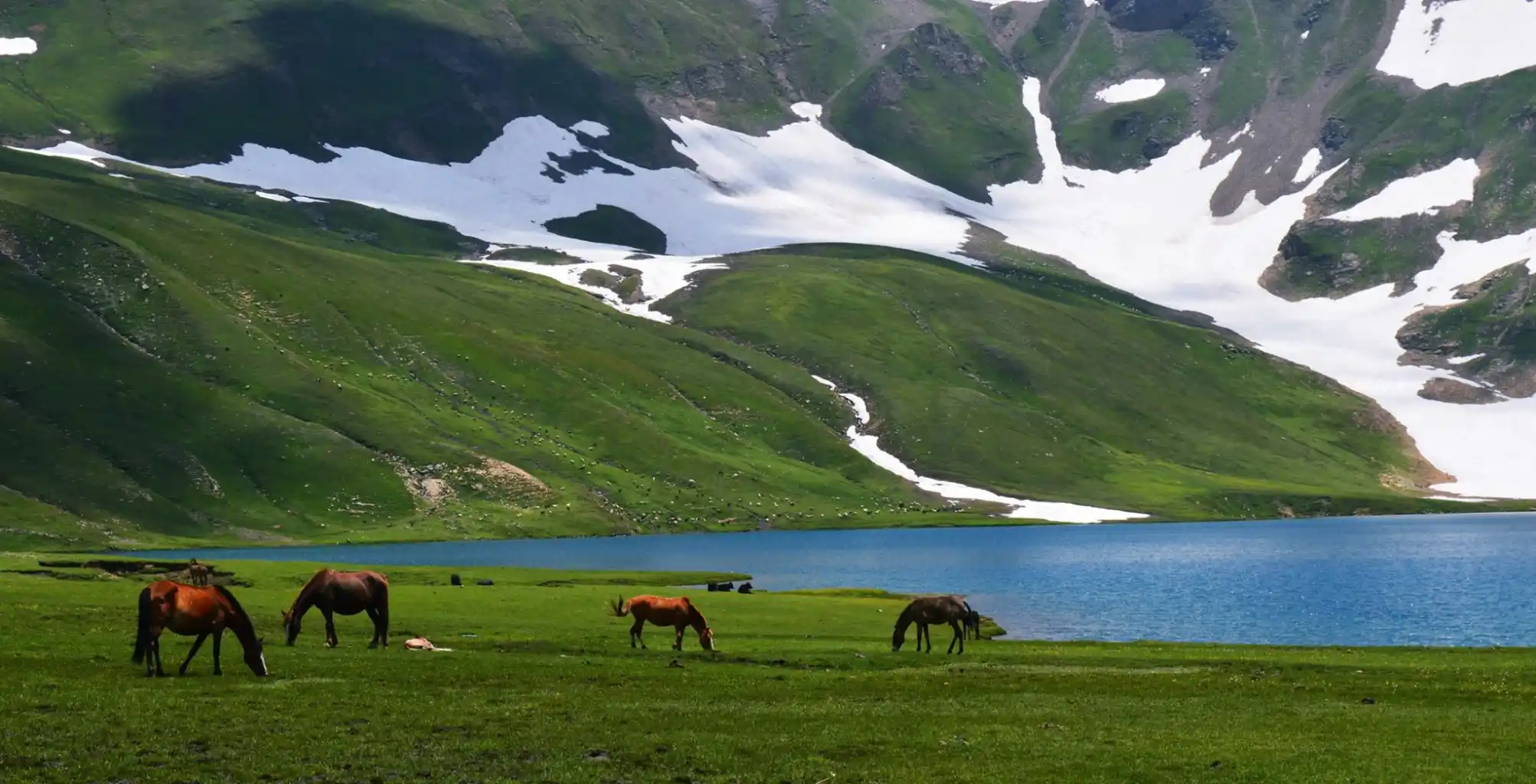
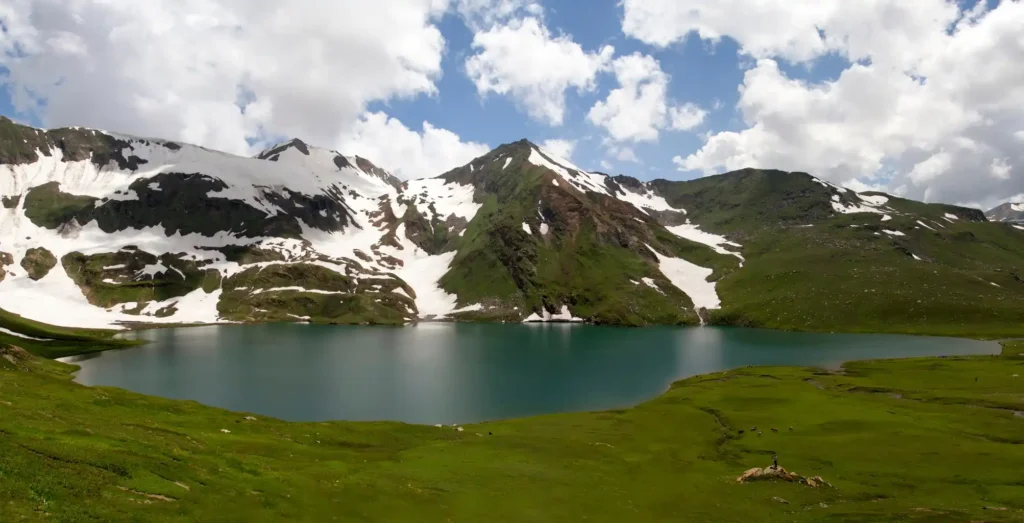
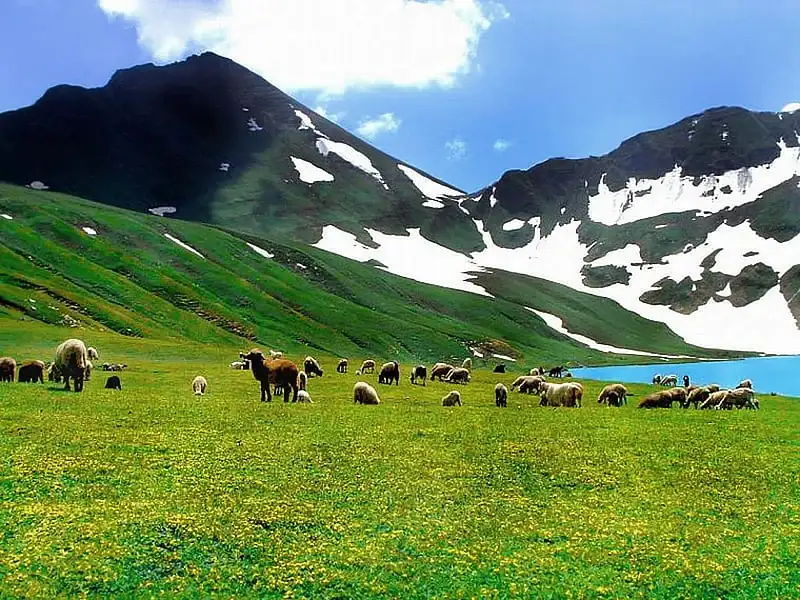
    Dudipatsar Lake is in the Lulusar-Dudipatsar National Park in the Kaghan Valley of Khyber Pakhtunkhwa province, Pakistan. Nestled at approximately 3,800 meters (12,467 feet) above sea level, this alpine lake is surrounded by lush meadows and snow-capped peaks.

    The lake is a remote paradise, accessible via a challenging trek that begins at Besal, a small settlement near Naran. The journey is long but rewarding, with every step offering stunning views of the valley and its diverse landscapes.

    The name Dudipatsar comes from the local language:

    • “Dudi” means white, symbolizing the snow-covered peaks surrounding the lake.
    • “Pat” refers to a highland or meadow.
    • “Sar” means lake.

    Together, Dudipatsar translates to the “Lake of White Meadows,” aptly describing its heavenly appearance.

    dudipatsar-lake

    Reaching Dudipatsar Lake is a challenging feat, which only adds to its allure. The trek starts from Besal, located about 45 kilometres from Naran. From Besal, adventurers embark on a 16-kilometre hike that takes 5-7 hours, depending on pace and fitness level.

    Highlights of the Trek:

    • Panoramic Views: The trail offers captivating views of the Kaghan Valley, with lush meadows, sparkling streams, and dense alpine forests.
    • Wildlife Encounters: Trekkers may spot marmots, Himalayan ibex, and various bird species.
    • Remote Villages: Passing through remote settlements allows visitors to experience the simple, traditional lifestyle of the local communities.

    While the trek is moderately difficult, the natural beauty and sense of adventure make it an unforgettable experience.

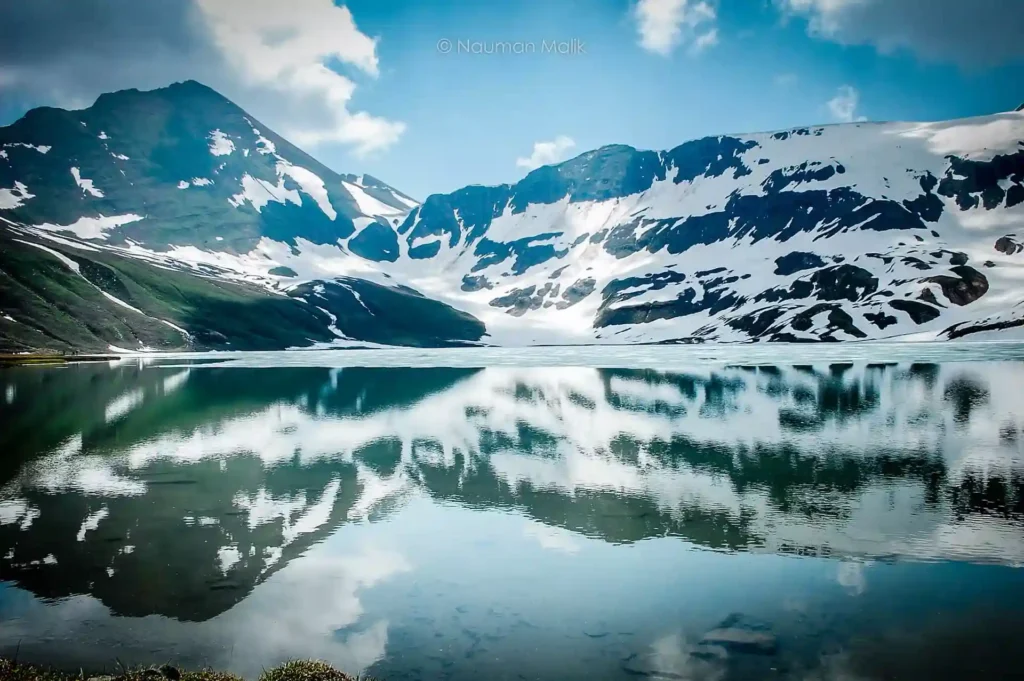
    Dudipatsar Lake is the epitome of tranquillity and natural splendour. The lake’s water is a surreal shade of turquoise, reflecting the towering snow-covered peaks encircle it. During summer, the surrounding meadows come alive with vibrant wildflowers, adding colour to the stunning landscape.

    One of the most captivating aspects of Dudipatsar Lake is its untouched, pristine environment. Unlike other tourist spots that are often overcrowded, Dudipatsar retains its raw, unspoiled beauty, giving visitors a rare opportunity to connect deeply with nature.

    • In summer (June to September), the lake is accessible, and the meadows are lush and green.
    • In winter, heavy snowfall covers the region, and the lake freezes, creating a stark yet enchanting landscape.

    Though Dudipatsar Lake doesn’t have a widely known historical or mythical narrative like Lake Saif-ul-Malook, its remoteness and serenity give it an almost mystical aura. Locals believe that the lake is a divine gift and regard it as a sacred site.

    Many visitors describe feeling a profound sense of peace and awe while standing by its shores, as though the lake carries a silent wisdom that connects them to something greater than themselves.

    dudipatsar_lake

    Dudipatsar Lake is famous for its:

    1. Pristine Beauty: Its clear, untouched waters and surrounding scenery make it one of the most beautiful lakes in the world.
    2. Adventure Appeal: The challenging trek to the lake attracts adventure enthusiasts and seasoned trekkers.
    3. Wildlife and Ecology: As part of the Lulusar-Dudipatsar National Park, the lake supports a rich ecosystem, making it ideal for eco-tourism.
    4. Seclusion: The lake’s remote location ensures a peaceful experience, free from the noise and pollution of city life.
    5. Activities to Enjoy at Dudipatsar Lake

    Visitors can enjoy a variety of activities, such as:

    • Trekking and Hiking: The journey to Dudipatsar is an adventure, offering plenty of opportunities for exploration.
    • Photography: The lake’s picturesque views make it a photographer’s dream. The reflections on the water, blooming flowers, and dramatic mountains offer endless inspiration.
    • Camping: Camping by the lake under a star-studded sky is a magical experience. Visitors often describe it as the highlight of their trip.
    • Wildlife Observation: Bird watchers and enthusiasts can spot various species in the surrounding national park.

    Dudipatsar Lake is part of the Lulusar-Dudipatsar National Park, which spans 880 square kilometres and plays a critical role in preserving the area’s natural beauty and wildlife.

    Flora and Fauna:

    • Animals: Himalayan brown bears, snow leopards, marmots, and ibexes inhabit the region.
    • Birds: The park is home to several migratory and native bird species, making it an ornithologist’s paradise.
    • Plant Life: Rare alpine flowers and medicinal herbs thrive in the park, adding to its ecological significance.

    The best time to visit Dudipatsar Lake is from June to early September when the snow has melted, and the trekking routes are open. During this period, the weather is pleasant, and the meadows around the lake are in full bloom.

    Travelers are advised to check weather conditions before planning their trip, as unexpected rain or snow can affect accessibility.

    dudipatsar Lake
    1. Travel Tips for Visiting Dudipatsar Lake
    2. Prepare for the Trek: Ensure you’re in good physical condition and carry essentials like water, snacks, and a first-aid kit.
    3. Wear Appropriate Gear: Sturdy hiking boots and weather-appropriate clothing are a must.
    4. Travel Light: Only pack the essentials to make the trek manageable.
    5. Hire a Guide: Local guides can help navigate the trails and provide valuable insights about the area.
    6. Respect Nature: Avoid littering and leave the area as pristine as possible.

    While both lakes are jewels of the Kaghan Valley, they offer different experiences:

    • Dudipatsar Lake: Known for its seclusion, challenging trek, and untouched beauty.
    • Saif-ul-Malook: Famous for its folklore, easier accessibility, and vibrant tourist atmosphere.

    Each lake has its unique charm, making them both must-visit destinations.

    Tourism has brought attention to Dudipatsar Lake, boosting the local economy and providing livelihoods for nearby communities. However, responsible tourism practices are crucial to maintaining the lake’s natural beauty.

    Efforts are being made to promote eco-tourism, including waste management initiatives and educating visitors about the importance of conservation.

    • Accessibility: The trek to Dudipatsar is challenging and not suitable for everyone.
    • Limited Facilities: The remote location means no hotels or restaurants near the lake.
    • Weather Dependency: Heavy rains or unexpected snow can make the trek difficult.

    The lake’s remote location, untouched natural beauty, and serene ambience set it apart from other tourist destinations in Pakistan. It’s a place where visitors can truly disconnect from the chaos of daily life and immerse themselves in the wonders of nature.

    For those seeking adventure, peace, and breathtaking views, Dudipatsar Lake is a must-visit destination. It offers an unparalleled experience, blending the thrill of exploration with the tranquillity of nature.

    Dudipatsar Lake is a hidden treasure in Northern Pakistan, allowing visitors to witness nature at its finest. From its shimmering waters to the surrounding snow-capped peaks, every aspect of this lake exudes beauty and serenity. Whether you’re a seasoned trekker, a photography enthusiast, or simply someone who appreciates the splendour of the natural world, Dudipatsar Lake promises an experience you’ll cherish forever.

  • Lulusar Lake: The Sparkling Gem of Kaghan Valley

    Lulusar Lake: The Sparkling Gem of Kaghan Valley

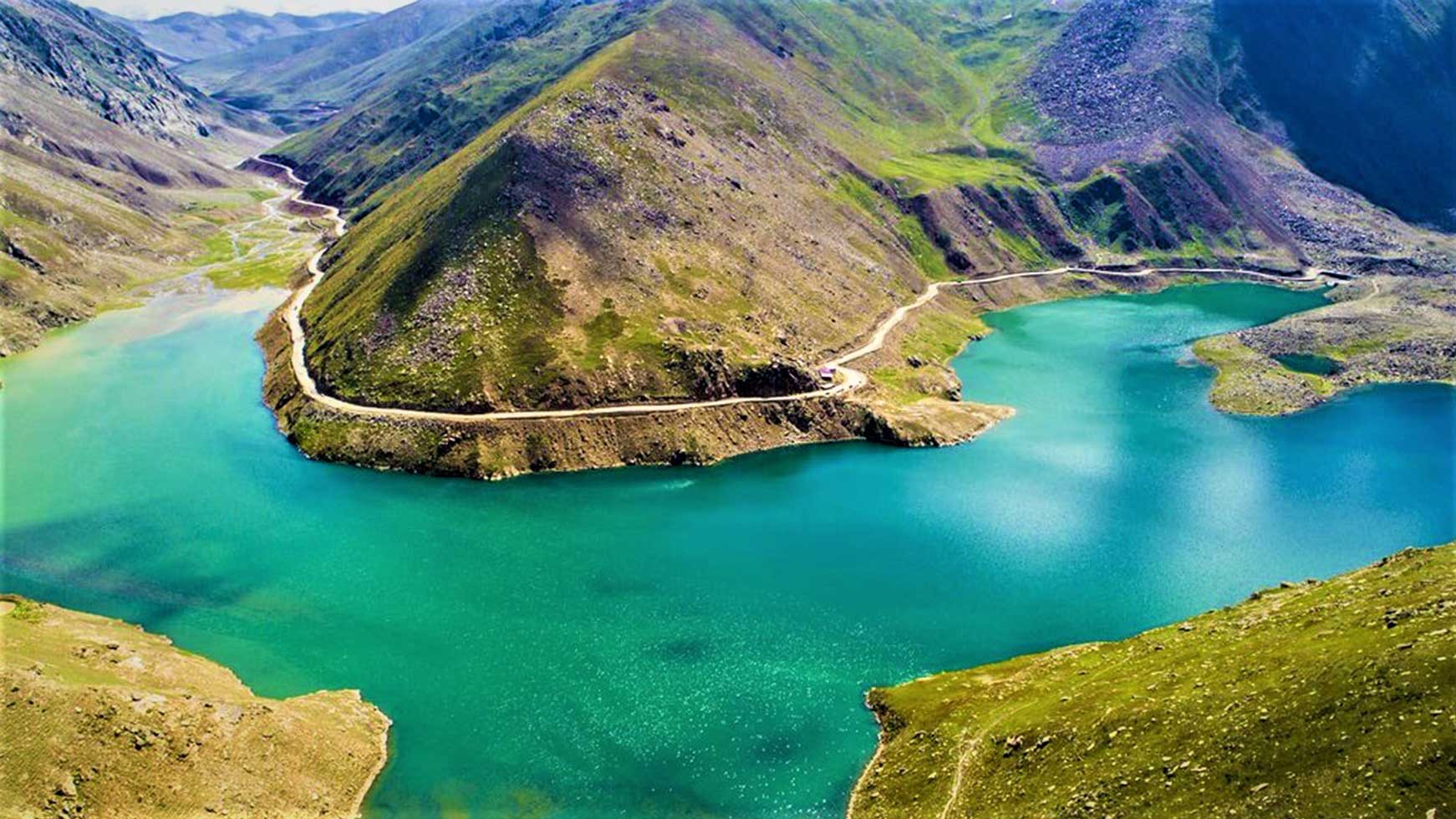
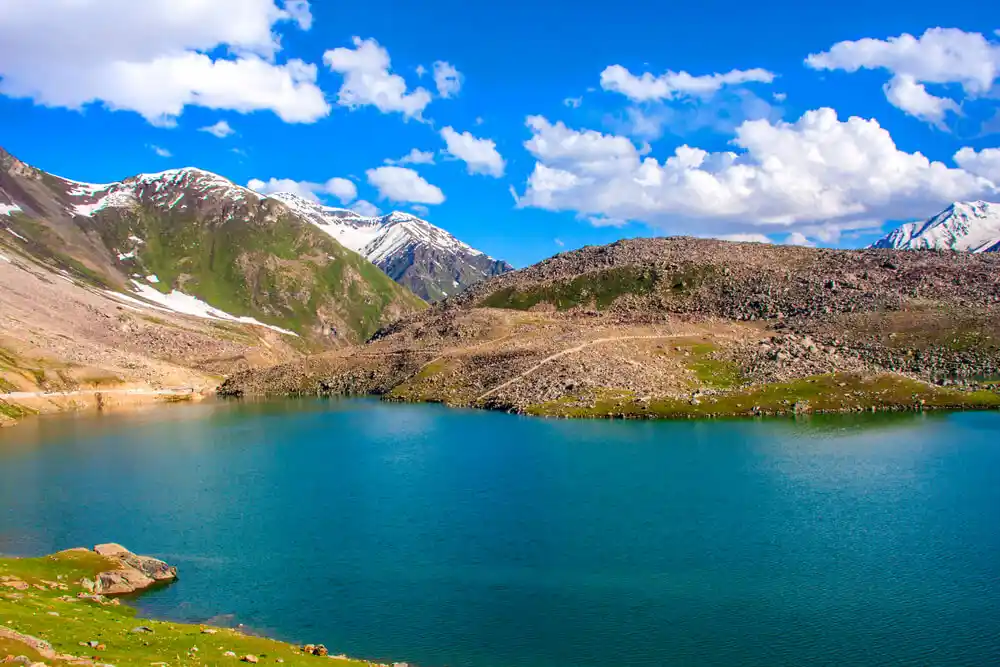
    In the heart of the scenic Kaghan Valley, Lulusar Lake is a peaceful and stunning destination that attracts visitors with its natural beauty and calm surroundings. The lake’s clear waters perfectly reflect the nearby snow-covered mountains, creating a breathtaking sight. It’s an ideal spot for anyone looking to explore the northern areas of Pakistan. For those planning a trip, Lulusar Lake offers a perfect opportunity to connect with nature and enjoy the untouched beauty of the Naran and Kaghan Valley. Remember to check out Naran Kaghan tour packages to plan your visit!

    “Lulusar” derives from the Pashto language, where “Lulu” means sparkling. True to its name, the lake sparkles under the sunlight, creating a mesmerizing sight for all who visit.

    Lulusar-Lake

    My first impression of Lulusar Lake was one of awe and wonder. Its still waters, perfectly mirroring the surrounding mountains, create an almost surreal experience. The lake is surrounded by lush green meadows in summer, which gradually give way to snow during the winter months, offering a different kind of beauty with each season.

    The lake’s serene environment is punctuated by chirping birds and the gentle rustling of leaves, making it a haven for those seeking peace and solitude.

    For photography enthusiasts, Lulusar Lake is a dream come true. The vibrant blue skies, emerald-green valleys, and the lake’s crystal-clear reflections provide endless opportunities for stunning captures. Early mornings and late afternoons are particularly magical, as the changing light adds depth and drama to the scenery.

    While Lulusar Lake is perfect for those seeking tranquillity, it also appeals to adventure lovers. The drive to the lake is an experience as the road winds through picturesque valleys, roaring rivers, and quaint villages.

    • Babusar Top: Located just 30 kilometres from the lake, this high mountain pass offers panoramic views of the surrounding peaks and valleys.
    • Saif-ul-Malook Lake: Another iconic destination in the region, known for its magical beauty and folklore.
    • Kaghan Valley Trails: Ideal for trekking and exploring uncharted paths.

    Lulusar Lake’s untouched beauty makes it one of the most picturesque spots in northern Pakistan. The lack of urban development around the lake has helped preserve its natural charm, making it a favourite destination for eco-tourists and nature lovers.

    The lake is steeped in history and is believed to have been a significant site during the Mughal era. Historical accounts suggest that Mughal caravans used the area as a rest stop while travelling through the Kaghan Valley.

    Unlike many remote lakes in northern Pakistan, Lulusar Lake is relatively easy to reach. The well-maintained road from Naran ensures a smooth journey, attracting tourists from across the country and beyond.

    Lulusar Lake’s strategic location on the way to Babusar Top makes it an essential stop for travellers heading to this high-altitude pass. The lake provides a refreshing break and a chance to soak in the breathtaking views before continuing the journey.

    Lulusar_Lake

    Each season brings a unique allure to Lulusar Lake:

    • Spring (April-May): As the snow melts, the surrounding meadows come alive with vibrant wildflowers, creating a colourful canvas.
    • Summer (June-August): The lake is most accessible, with clear skies and mild temperatures, making it the perfect time for picnics and photography.
    • Autumn (September-November): The golden hues add a warm glow to the landscape, making it an ideal time for nature walks and reflection.
    • Winter (December-March): The area is blanketed in snow, and the lake often freezes over, creating a serene, otherworldly atmosphere. While access may be challenging, the winter charm is worth the effort for adventurous travellers.

    Simply standing by the lake and soaking in the beauty of the surroundings is a rewarding experience. Visitors can also capture the stunning views in photographs, ensuring the memories last a lifetime.

    Lulusar Lake’s serene environment makes it an ideal spot for a picnic. Travellers can enjoy their meals amidst nature, with the sound of the breeze and the gentle lapping of water providing the perfect soundtrack.

    Though less common than at other lakes in Pakistan, boating can sometimes be arranged through local guides, offering a unique way to experience the lake’s beauty.

    The lake is a gateway to numerous other attractions in Kaghan Valley, making it a great starting point for further exploration.

    Reaching Lulusar Lake is part of the adventure. Most visitors travel by road from Naran, which is well-connected to major cities in Pakistan via the Mansehra-Naran-Jalkhad-Chilas Road (N-15). The journey from Naran to Lulusar Lake takes about two hours, with plenty of scenic stops.

    Private vehicles, rental cars, and tour packages are readily available for those travelling from Islamabad or Lahore, ensuring a hassle-free journey.

    Lulusar Lake
    1. Plan Ahead: Check the weather and road conditions, especially if visiting in winter.
    2. Dress Appropriately: High altitudes mean temperatures can drop quickly, so bring warm clothing even in summer.
    3. Carry Essentials: Bring water, snacks, and a first-aid kit, as facilities near the lake are limited.
    4. Respect Nature: Help preserve the lake’s pristine environment by avoiding littering and sticking to designated paths.
    5. Hire a Local Guide: Guides can provide valuable insights about the area and ensure a safe journey.
    1. Babusar Top: A must-visit destination for panoramic views and adventurous treks.
    2. Jalkhad: A charming meadow near Lulusar Lake, perfect for camping and nature walks.
    3. Dudipatsar Lake: Known as the “Queen of the Lakes,” this hidden gem is a trekker’s paradise.
    4. Saif-ul-Malook Lake: A fairy-tale destination surrounded by folklore and natural beauty.

    Don’t miss the chance to explore this enchanting spot; plan your trip today with our Naran Kaghan travel guide and let the captivating beauty of Kaghan Valley take your breath away!

  • Top Attractions in Shogran and Siri paye: Discover Stunning Views and Exciting Adventures

    Top Attractions in Shogran and Siri paye: Discover Stunning Views and Exciting Adventures

    Among the countless stunning destinations in this region, Shogran and Siri Paye Meadows shine as true gems. Their unmatched beauty, easy accessibility, and peaceful ambiance make them a favorite among visitors. These spots perfectly combine awe-inspiring landscapes, cultural richness, and exciting outdoor adventures, creating unforgettable experiences for all who visit.

    Pakistan’s northern areas, particularly the Khyber Pakhtunkhwa province, are a dream destination for nature lovers and trekkers. The landscape here is as diverse as it is spectacular, offering lush green valleys, glittering lakes, towering mountains, and alpine meadows. The regions of Gilgit-Baltistan, Swat, and Kaghan Valley are home to some of the most famous tourist spots in the country.

    Why Shogran and Siripaye Meadows Are Worth Visiting

    Shogran and Siripaye Meadows are widely known for their stunning landscapes, inviting visitors to experience nature in its purest form. Whether you are looking for a relaxing retreat or an adventurous escape, these locations provide the ideal setting.

    Shogran: A Serene Hill Station Amidst the Himalayas

    Nestled in the Kaghan Valley, Shogran is a serene hill station that offers stunning views of the surrounding Himalayan peaks. Situated at around 2,362 meters (7,749 feet), Shogran is a popular destination for nature lovers, photographers, and adventure seekers. The area is blessed with lush meadows, pine forests, and panoramic views of snow-capped mountains, making it a tranquil escape from the hustle and bustle of city life.

    Shogran-siri-paye

    Shogran’s charm lies in its tranquil setting and picturesque views. From the moment you arrive, you are surrounded by dense forests, green meadows, and rugged mountain peaks that create a serene atmosphere. During spring and summer, the region comes alive with wildflowers and lush greenery, while in winter, it transforms into a snow-covered paradise.

    The breathtaking landscapes and cool climate make Shogran an ideal summer getaway. Still, winter offers a unique experience for those who want to witness the snow-capped mountains, and the valley blanketed in white.

    1. Keenjhar Lake: Located a short distance from the village, Keenjhar Lake is a peaceful spot perfect for picnics or quiet reflection. Lush forests surround the lake’s clear waters and offer a serene, relaxing backdrop.
    2. Makra Peak: Known for its towering beauty, Makra Peak is a popular trekking destination near Shogran. The trek to the summit is challenging and rewarding, offering panoramic views of the valley below. Its pine trees, streams, and rocky terrain make the landscape a memorable adventure for seasoned trekkers.
    3. Shogran Meadows: The meadows surrounding Shogran are one of the most picturesque sights in the region. These expansive, grassy fields are dotted with wildflowers in spring and summer and offer a perfect spot for a family picnic or an afternoon stroll.
    4. Local Culture and Hospitality: The people of Shogran, known as the Kaghan people, are known for their warmth and hospitality. Visitors can enjoy local life’s simple pleasures, such as traditional food, or stay in small guesthouses to experience rural mountain life.

    Situated at 2,900 meters (9,514 feet), Siripaye Meadows is located approximately 10 kilometers from Shogran. Though less widely known than Shogran, Siripaye Meadows has earned a reputation as a hidden gem for nature enthusiasts and trekkers. The meadows are surrounded by towering peaks, lush forests, and the serenity of alpine meadows that stretch as far as the eye can see.

    One of the most appealing aspects of Siripaye Meadows is its untouched and remote beauty. As compared to other popular tourist destinations, Siripaye remains relatively uncrowded, offering a more secluded experience. The vast expanse of lush greenery and wildflowers and the panoramic views of snow-capped mountains like Malika Parbat and Makra Peak make it a paradise for nature lovers and photographers.

    The climate in Siripaye is also one of its major draws. Cool, fresh air and the tranquility of the environment make it a perfect retreat, especially for those looking to escape the noise and pollution of urban life.

    Siri-paye

    To reach Siripaye Meadows, visitors must take a jeep ride from Shogran and a trek. The trek, which is steep but manageable, takes about 2-3 hours. Along the way, trekkers will pass through lush forests, clear streams, and rugged terrain, all adding to the journey’s charm. As you ascend, the views of the valley and the towering peaks become increasingly magnificent, culminating in the stunning Siripaye Meadows.

    1. Camping: Siripaye Meadows is the perfect location for camping. Visitors can set up their tents and enjoy a peaceful night under the stars, surrounded by the natural beauty of the meadows. The serene atmosphere of the place makes it ideal for unwinding.
    2. Hiking: Hiking in Siripaye is an unforgettable experience. The paths that lead through the meadows offer a glimpse of Pakistan’s pristine landscapes, with crystal-clear streams and wildflowers adding to the charm.
    3. Photography: The spectacular views of the snow-capped peaks and alpine meadows make Siripaye Meadows a paradise for photographers. Whether you’re capturing the beauty of the meadows or the grandeur of the surrounding mountains, the location offers endless opportunities for stunning photographs.
    4. Wildlife Watching: While trekking in Siripaye, visitors may spot local wildlife, including markhor (wild goat), Musk Deer, and various species of birds. The area is known for its rich biodiversity, and animal lovers will find plenty to enjoy.

    Despite their remote locations, Shogran and Siripaye Meadows are fairly accessible. Here’s how you can reach these breathtaking destinations:

    • The journey to Shogran begins from Islamabad, where you can drive through Murree, Abbottabad, and Balakot. The road to Naran takes about 6-7 hours by car. You can hire a jeep or continue by road from Naran to Shogran, which will take 1-2 hours.
    • To get to Siripaye Meadows, you must take a jeep ride from Shogran, as the terrain can be rough and difficult to navigate by car. After the jeep ride, a short trek will take you to the meadows.
    • Summer (May to September) is ideal for visiting Shogran and Siripaye Meadows. The weather is pleasant during these months, and the meadows are lush and green.
    • For those seeking snow-covered landscapes, winter (December to February) brings snow to the region, offering different beauty. However, travel during this time may be more challenging due to road conditions.
    Siri_Paye

    The increasing popularity of Shogran and Siripaye Meadows can be attributed to several factors:

    1. Natural Beauty: From lush meadows and pristine lakes to towering mountains and wildflowers, the natural beauty of these destinations is simply breathtaking. Whether you’re a photographer, a hiker, or someone who loves to immerse themselves in nature, these locations have something special to offer.
    2. Peace and Tranquility: One of the major draws of Shogran and Siripaye Meadows is their peaceful environment. Both destinations are far from the noise of city life, allowing visitors to reconnect with nature and enjoy a serene atmosphere.
    3. Accessibility: Despite their remote location, Shogran and Siripaye Meadows are easily accessible by road from Islamabad. This makes them perfect for weekend getaways or short trips without long travel times.
    4. Adventure Activities: Whether you enjoy trekking, hiking, camping, or photography, Shogran and Siripaye offer a range of activities for every kind of traveler. From the challenging trek to Siripaye Meadows to the relaxing strolls in the Shogran Meadows, these destinations provide a mix of adventure and relaxation.
    5. Cultural Experience: Interacting with the warm-hearted locals of Shogran adds a cultural dimension to your trip. The Kaghan people are known for their hospitality, and experiencing the local culture is one of the many highlights of visiting the region.

    Exploring Shogran and Siri Paye Meadows also opens the door to several other stunning attractions in the region. Here are a few must-visit spots nearby:

    • Dudipatsar Lake: A stunning natural wonder, with its turquoise waters shimmering against a backdrop of towering snow-covered peaks. It’s a place of pure serenity, showcasing the untouched beauty of northern Pakistan.
    • Lalazar Meadows: A picturesque alpine meadow located near Naran, Lalazar is known for its lush greenery, vibrant wildflowers, and breathtaking views of the surrounding mountains. It’s an excellent spot for hiking and picnics.
    • Babusar Top: Situated at an altitude of 4,173 meters, Babusar Top offers panoramic views of the Kaghan Valley and beyond. It’s a perfect spot for photography and a must-visit for those traveling to or from Gilgit-Baltistan.
    • Saif-ul-Malook Lake: Just a short drive from Naran, this iconic lake is famous for its crystal-clear waters surrounded by towering snow-capped peaks. It’s a magical destination, especially during sunrise and sunset, when the scenery becomes even more enchanting.

    These nearby attractions complement the beauty of Shogran and Siri Paye Meadows, making your trip to northern Pakistan even more memorable.

  • Naran Kaghan Valley Pakistan – Travel Guide & Tour Information 2024

    Naran Kaghan Valley Pakistan – Travel Guide & Tour Information 2024

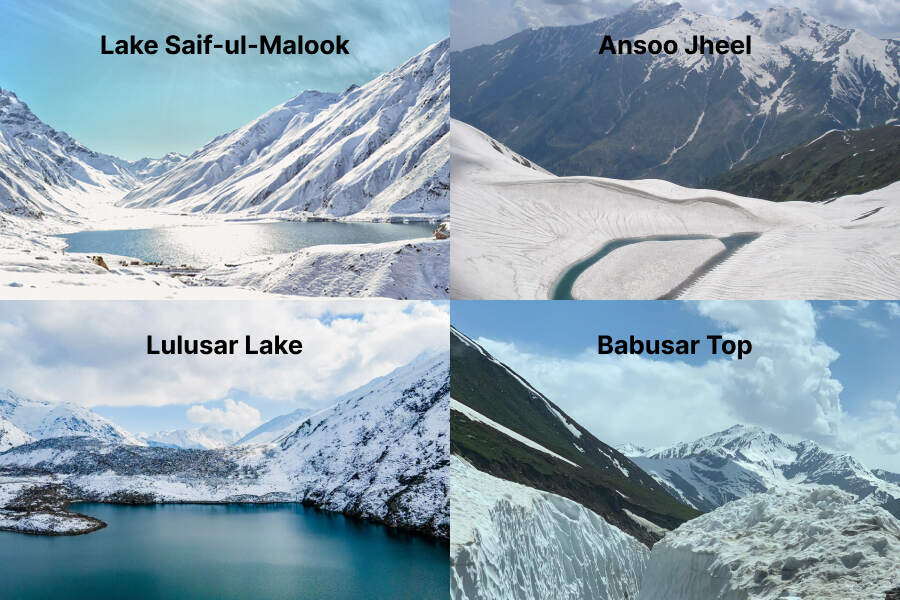
    Nestled in the serene northern highlands, the Naran and Kaghan Valley is the perfect escape from the hustle and bustle of city life. The area is famous for its breathtaking attractions, including the enchanting Lake Saif-ul-Malook, the tear-shaped Ansoo Jheel, the majestic Babusar Top, and the serene Lulusar Lake. With such natural wonders, it’s no surprise that this valley has become a centerpiece of Pakistan’s tourism.

    Introduction to Naran Kaghan Valley

    naran kaghan places to visit

    Where is Naran Kaghan Valley Located?

    Weather in Naran Kaghan

    Seasonal Weather Overview for Naran Kaghan

    SeasonMonthsTemperature RangeHighlights
    SpringMarch – April5°C to 15°CBlooming flowers, moderate weather, fewer tourists.
    SummerMay – September10°C to 25°CPerfect for sightseeing, trekking, and exploring attractions like lakes.
    AutumnOctober – November5°C to 15°C (dropping)Crisp air, golden landscapes, ideal for photographers.
    WinterDecember – February-10°C to 0°CHeavy snowfall, frozen lakes, serene white landscapes, and fewer tourists.

    Best Time to Visit Naran Kaghan Valley

    How to Reach Naran Kaghan Valley

    By Road

    By Public Transport

    MethodDetails
    By Road from IslamabadApproximately 240 km; takes 5-6 hours via the Hazara Motorway (M-15). Beautiful scenic route with stops for food and rest.
    Public TransportBuses and vans available from Islamabad and Rawalpindi. Transfer to local vans or jeeps at Balakot to reach Naran.
    Renting a Car or JeepAvailable in Islamabad and Abbottabad. A 4×4 jeep is recommended for exploring off-road areas.
    From AbbottabadAround 160 km, taking 4-5 hours. Offers a scenic drive through mountains.
    Distance from GilgitApproximately 8-9 hours by car. Ideal for combining Gilgit-Baltistan and Naran Kaghan Valley in one trip.

    naran kaghan lakes

    Lake Saif-ul-Malook

    Ansoo Jheel Naran Kaghan

    Lulusar Lake

    Babusar Top

    Things to Do in Naran Kaghan

    Naran Kaghan Weather and Seasonal Highlights

    kaghan naran valley

    Accommodation in Naran Kaghan Valley

    Hotels in Naran Kaghan

    Camping in Naran Kaghan

    Camping kaghan  naran

    Recommended Itineraries for Naran Kaghan

    2-Day Trip to Naran Kaghan

    3-Day Trip to Naran Kaghan

    5-Day Itinerary for a Comprehensive Experience

    Naran Kaghan Tour Packages and Costs

    Local Food and Culture of Naran Kaghan

    Eco-Tourism in Naran Kaghan Valley

    Naran Kaghan Valley

    Naran Kaghan in Pictures: Beautiful Places to Explore

    Conclusion

Translate »

Proceed Booking